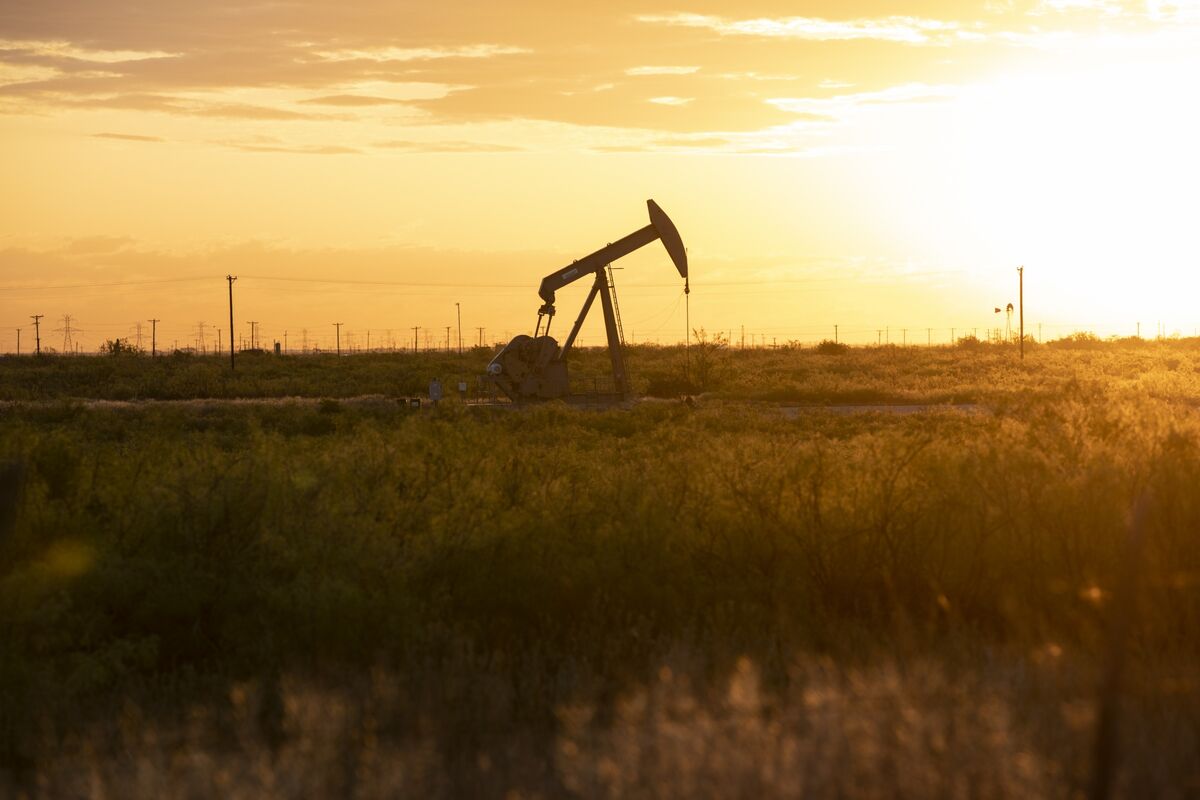
WTI fell as much as 1.6% to near $93/bbl after surging almost 5% the prior day; Brent settled above $108. President Trump pushed back a deadline for striking Iran's energy sites, allowing a 10-day window stretching to April 6 (Tehran had requested seven days), easing near-term geopolitical risk and weighing on oil prices.
The market reaction is symptomatic of a decompression in near-term event risk, which typically favors players with optionality and hurts those priced for persistent risk premia. Short-term refiners (profit from a steep crack spread) and storage/transport operators benefit from lower front-month volatility because it reduces hedging costs and allows higher utilization; conversely, highly levered E&Ps begin to see their forward FCF cushions shrink if realized vols collapse and spot mean-reverts lower.
Mechanically, an elongated political timeline increases the value of calendar dispersion trades: front-month premiums fall faster than mid/long-tenor, flattening the curve and creating opportunities in calendar spreads and vol-term structure arbitrage. Real economy second-order effects include downward pressure on bunker fuel and shipping insurance rates if perceived strike probability drifts lower, which would boost margins for long-haul commodity exporters in Asia/Europe within 30-90 days.
Tail risks remain asymmetric — a single successful strike or escalation could snap the term curve into steep backwardation, rapidly reloading risk premia and causing large gamma squeezes in short-dated options books; conversely, diplomatic progress or strategic crude releases would compress the whole curve over 1-3 months and favor leveraged long-duration commodity exposures. Monitor market micro signals (Tightening front-month implied vols, narrowing WTI-Brent differential, and options skew) as 48–72 hour catalysts that will flip P&L regimes.
The consensus is treating the move as a temporary volatility pullback; that underestimates the value of optionality embedded in short-dated protection and overestimates near-term supply responses from shale — shale reinvestment takes months, so tactical decompression likely results in a choppy few weeks rather than a clean downtrend. Maintain asymmetric positioning that pays when either volatility re-prices up quickly or when term-structure normalization persists for multiple months.
AI-powered research, real-time alerts, and portfolio analytics for institutional investors.
Request DemoOverall Sentiment
neutral
Sentiment Score
0.00
