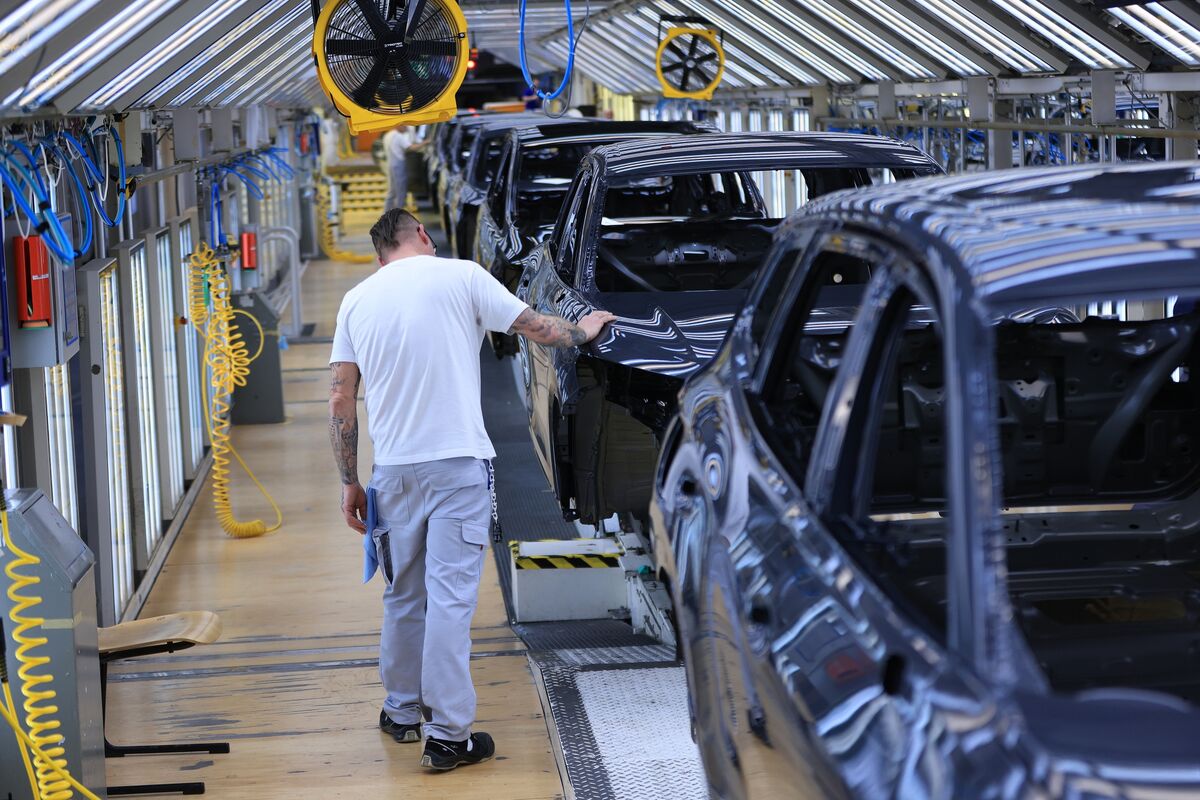
German factory orders unexpectedly fell 1.4% month-over-month in May, marking the first decline in four months and surpassing analyst expectations. This downturn reflects domestic businesses' reluctance to commit to large investments amid unresolved trade uncertainties with the United States, highlighting potential headwinds for the German industrial sector despite a 5.3% year-over-year increase in orders.
German factory orders posted an unexpected and significant contraction of 1.4% month-over-month in May, marking the first such decline in four months and substantially missing consensus estimates. This downturn is directly attributed to domestic businesses delaying large investment commitments amid persistent uncertainty surrounding trade negotiations with the United States. While the year-over-year figure remains positive with 5.3% growth, the sharp monthly reversal highlights a critical headwind for Germany's industrial sector. The data suggests that ongoing trade friction is translating into tangible economic hesitation, potentially dampening near-term growth prospects for Europe's largest economy until greater clarity on trade policy is achieved.
AI-powered research, real-time alerts, and portfolio analytics for institutional investors.
Request DemoOverall Sentiment
moderately negative
Sentiment Score
-0.45
