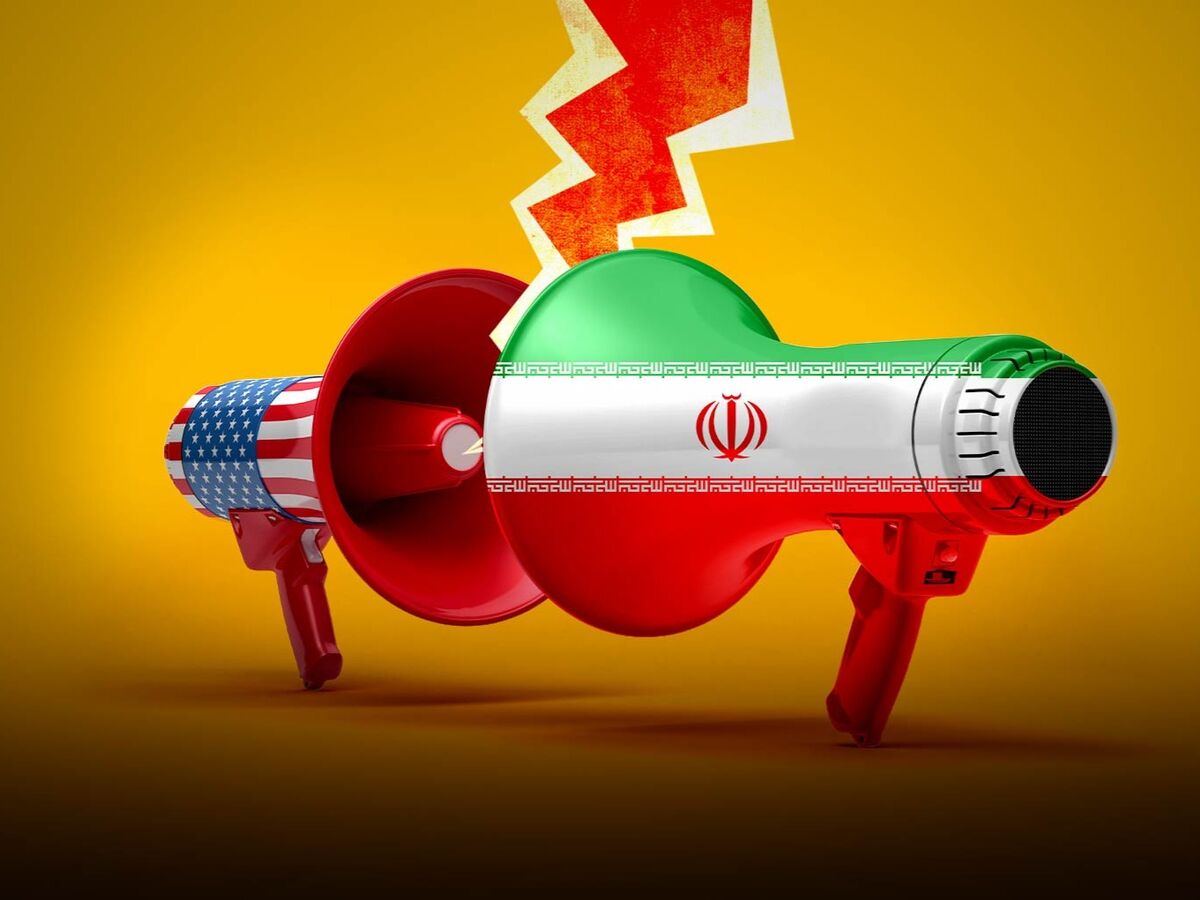
Trump pushed back his deadline for Iran to strike a deal to April 6, saying talks were 'going very well'; Iran formally responded to the US 15-point ceasefire proposal, reiterating demands for security guarantees and control of the Strait of Hormuz. EU foreign affairs chief Kaja Kallas warned that Russia is helping Iran target Americans and US allies, raising geopolitical risk and potential market volatility. Separately, Meituan flagged improvement ahead in China’s food-delivery market, and debate over gene-editing ('designer babies') is emerging in India.
The current Gulf-tail risk regime creates a concentrated, short-duration premium that gravitates into energy, shipping insurance and defense budgets; expect the near-term oil convenience yield to rise by $3–8/bbl within 2–8 weeks if disruptive incidents materialize, compressing refining margins and widening Brent/WTI volatility by 20–40% relative to recent baselines. Tanker spot rates historically spike 30–70% inside the first month of route-risk shocks — that flow favors asset-light, spot-exposed tanker owners and freight derivatives over integrated majors that hedge production but have slower free-cash-flow response.
Sanctions and export-control tail risk three-tier effects: (1) accelerated onshoring of critical component flows among allies, creating 6–18 month procurement windows for dual-use suppliers; (2) a re-rating of reinsurance/writing capacity as war-risk premia are repriced, which benefits reinsurers with large float and pricing power; (3) transient funding stress for EM sovereigns reliant on Gulf trade, pushing local rates wider and FX weaker in the 1–3 month horizon.
Market positioning is currently skewed to straightforward energy/defense longs; less appreciated are convex trades — short-dated tanker/war-risk-linked volatility sells opportunity for disciplined option sellers if incidents remain contained, while long gold and US duration provide asymmetric downside protection. Political event risk (election cycles, diplomatic backchannels, third-party actor involvement) is the dominant path to either de-escalation or full re-pricing; monitor shipping insurance indices, offshore incident counts, and sovereign CDS curves as 48–96 hour escalation sensors.
The operational play is to favor instruments with quick re-rating potential and clear exit triggers: think spot-exposed equities and short-dated options that capture the initial risk-premium, while hedging via USD duration and EM FX shorts to protect against a broader risk-off leg.
AI-powered research, real-time alerts, and portfolio analytics for institutional investors.
Request DemoOverall Sentiment
mildly negative
Sentiment Score
-0.40
