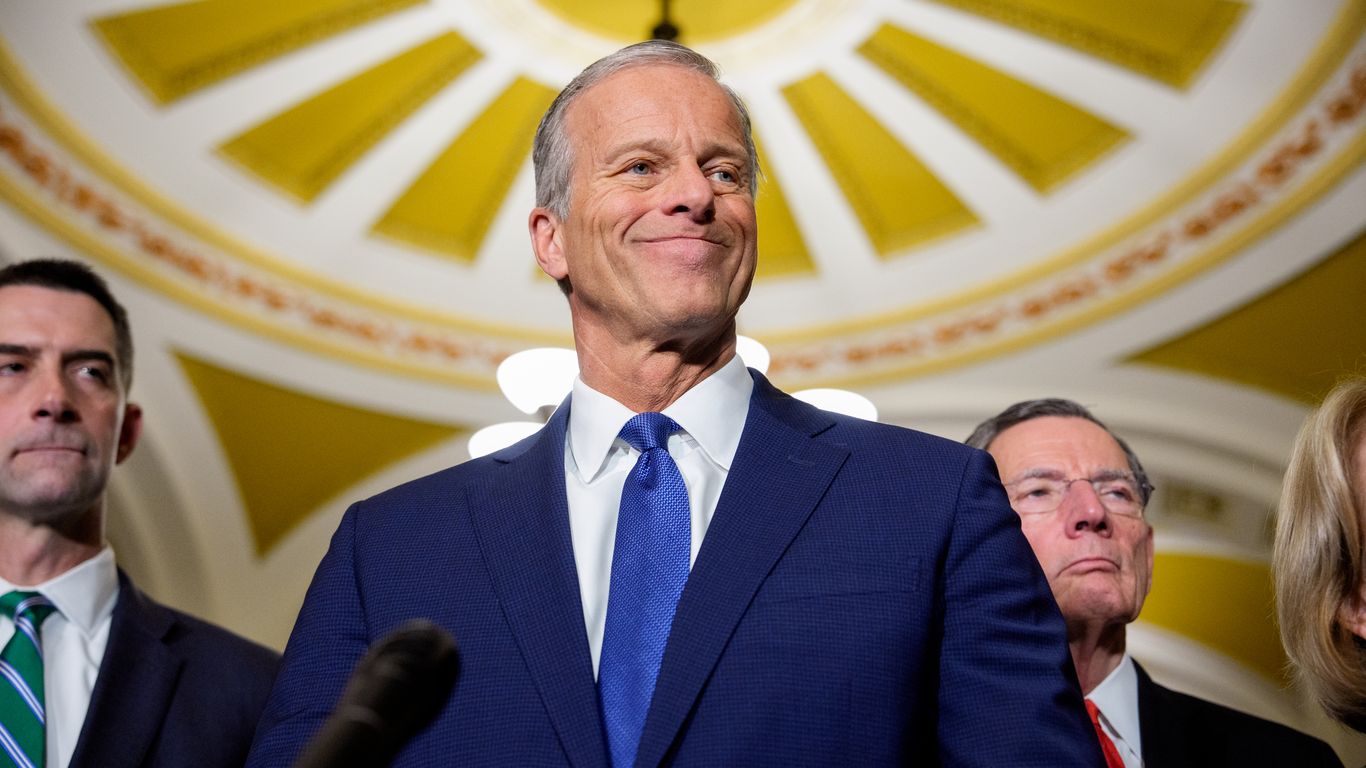
Senate passed a bill to reopen most of the Department of Homeland Security after a 42-day shutdown, funding most DHS sub-agencies through September; the vote was unanimous with no objections. The bill excludes ICE and CBP, which remain under negotiation following roughly $75 billion previously allocated to immigration enforcement in the One Big, Beautiful Bill Act. President Trump said he would sign an order to begin paying TSA workers, addressing airport security disruptions and missed paychecks, while policymakers now focus on contentious ICE/CBP reforms.
The immediate market implication is a rapid de-risking of airport operations and related service chains: when checkpoint staffing and contractor cashflows are restored, on-time performance and gate utilization typically rebound within days and materially by 2–4 weeks, reducing delay spillovers that disproportionately hit low-margin regional routes and leasing companies. Aircraft lessors and short-cycle service providers capture this first, because hours-utilized drives lease revenue and maintenance timing more than fare levels.
A medium-term dynamic to monitor is political conditionality: unresolved fights over immigration enforcement create a recurring headline tail that can reintroduce targeted service disruptions (protests, selective hiring freezes) without collapsing overall funding. That means travel-equity upside is likely choppy — strong snap-back moves on operational normalization, punctuated by 1–2 headline-driven drawdowns before a more durable recovery tied to secular travel demand.
Second-order winners include outsourced IT and cybersecurity contractors that process DHS payroll and screening data: their revenue burn-rate declines and cash collection visibility improves, lifting near-term free cash flow and lowering working-capital risk. Conversely, companies exposed to immigration-enforcement program cuts face multi-quarter project repricing and higher bid competition, pressuring margins until scope clarity returns.
AI-powered research, real-time alerts, and portfolio analytics for institutional investors.
Overall Sentiment
neutral
Sentiment Score
0.05
