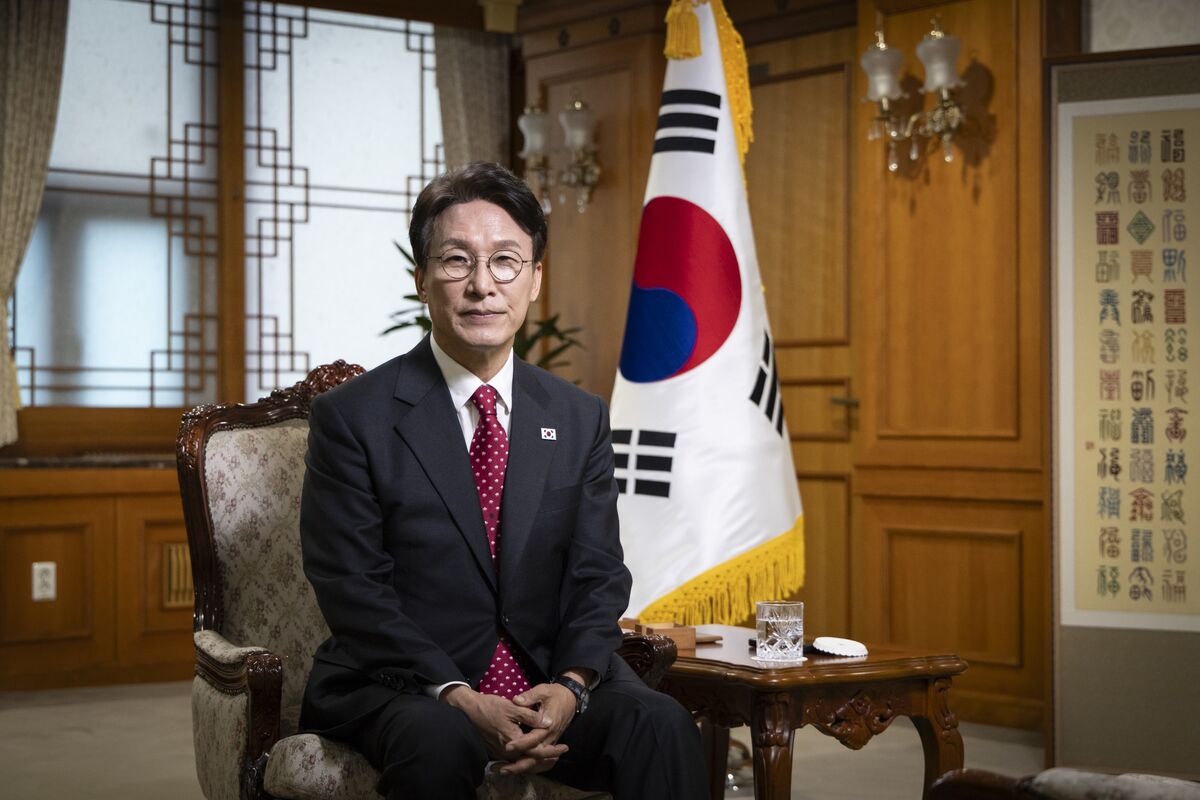
South Korean Prime Minister Kim Min-seok has stated that the nation's investment projects in the US will remain in limbo until visa issues, particularly concerns over potential detentions of Korean workers, are resolved. He urged Washington to act swiftly, emphasizing that meaningful progress in bilateral economic cooperation is virtually impossible without a resolution, indicating a significant impediment to capital flows and project development.
South Korean Prime Minister Kim Min-seok has formally declared that the nation's investment projects in the United States are currently stalled and that "meaningful progress remains virtually impossible" until outstanding visa issues are resolved. This statement introduces a significant regulatory and diplomatic risk to capital flows, specifically highlighting concerns over the potential detention of Korean workers. The declaration elevates a logistical problem to a critical bilateral issue, creating material uncertainty for US-based projects dependent on South Korean capital and expertise. While no specific companies are mentioned, this development directly impacts sectors that are key recipients of South Korean foreign direct investment, such as semiconductors and electric vehicle battery manufacturing, potentially delaying project timelines and disrupting supply chain development within the US.
AI-powered research, real-time alerts, and portfolio analytics for institutional investors.
Request DemoOverall Sentiment
moderately negative
Sentiment Score
-0.50
