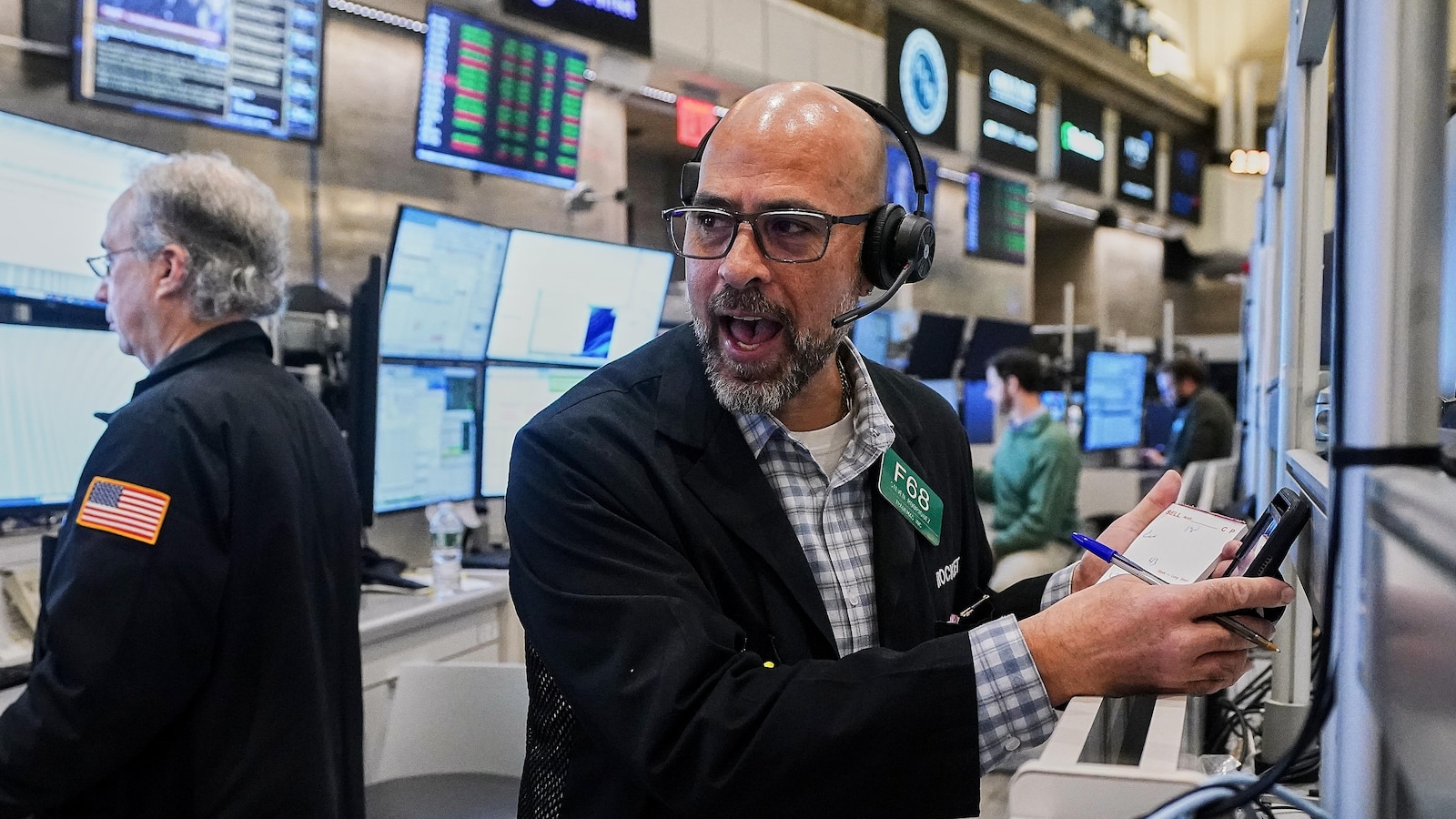
Asian equities advanced sharply—Tokyo’s Nikkei closed at a record 52,518.08 (+1.3%), Korea’s Kospi 4,525.98 (+1.5%), Hong Kong’s Hang Seng 26,710.45 (+1.4%) and Shanghai Composite 4,083.67 (+1.5%)—while S&P futures were flat, Dow futures -0.1% and Nasdaq futures +0.2%. Oil initially pulled back then ticked higher (U.S. crude $58.57, +$0.25; Brent $62.06, +$0.30) after a U.S. operation that captured Venezuela’s president Nicolas Maduro and comments that U.S. firms may be asked to revitalize Venezuelan oil assets; major energy names were up modestly. Investors are watching three upcoming U.S. labor reports and the Fed outlook as officials weigh easing against inflation that remains above the 2% target; gold (+0.6%) and silver (+2.2%) rallied as safe havens.
MARKET STRUCTURE: U.S. oil majors (CVX, XOM) and oil services stand to gain if Washington moves to open Venezuelan fields to private U.S. capital—expected incremental demand for drilling, diluent and rebuild capex could lift EBITDA for majors by mid-single digits within 12–36 months. Short-term winners also include safe-haven commodities (gold, silver) and regional Asian tech exporters benefiting from AI capex (semis, memory); losers include Venezuelan state-linked assets and any refiners unable to process heavy crude without costly upgrades.
RISK ASSESSMENT: Tail risks include insurgent attacks, legal disputes over nationalized assets, or OPEC+ production cuts that could keep crude >$75 or spike to $100 in 3–12 months; a counter tail is protracted reconstruction that keeps prices subdued. Immediate (days): volatility in oil, FX of LATAM currencies and insurance spreads; short-term (weeks–months): capital allocation debates among majors; long-term (years): multi-billion-dollar rebuild timelines and sovereign-default/legal noise.
TRADE IMPLICATIONS: Tactical overweight to large-cap integrated majors and selective oil services for a 6–24 month window, funded by trimming defended consumer cyclicals; use 3–12 month call-spread structures to limit downside if geopolitical risk fades. Maintain exposure to AI hardware leaders into CES but tighten stops—rotate gains into energy rebuilding names if Maduro-related policy becomes concrete (e.g., asset transfer approvals, contractor licenses).
CONTRARIAN ANGLES: Consensus assumes U.S. control equals quick production ramp—historical parallels (Iraq/Kuwait rebuilds) suggest multi-year lag, heavy upfront diluent/logistics constraints and corruption risk that compress near-term upside. Market may be underpricing sovereign/legal risk and overpricing near-term energy upside; consider volatility-hedged, calendar-spread approaches rather than outright directional bets.
AI-powered research, real-time alerts, and portfolio analytics for institutional investors.
Request DemoOverall Sentiment
mixed
Sentiment Score
0.08
Ticker Sentiment
