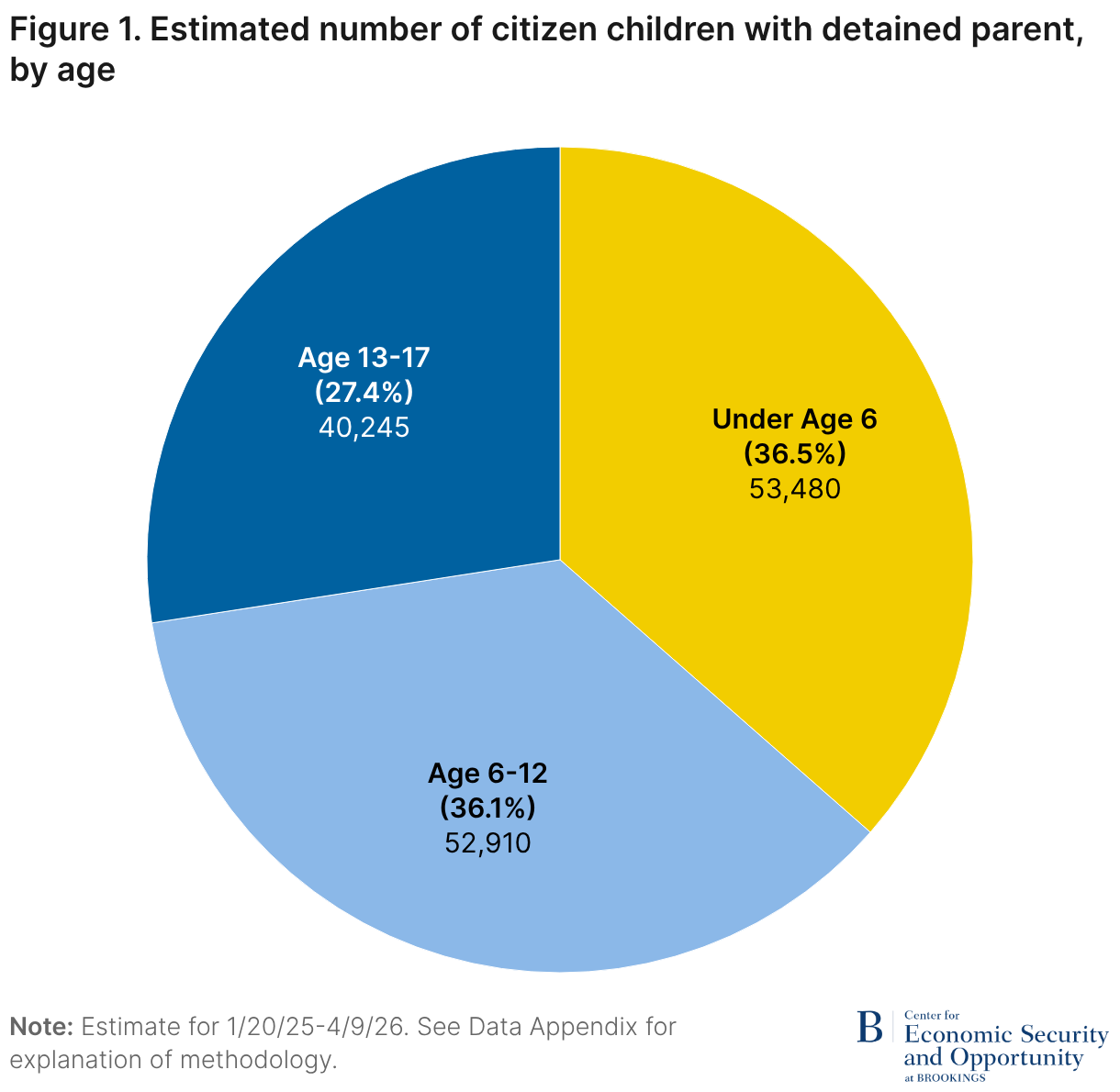
The article estimates that more than 145,000 U.S. citizen children have likely experienced parental detention since January 2025, with roughly 22,000 left without any parent in the home. It also says around 205,000 children in total have been affected, against a backdrop of about 400,000 interior ICE detentions and $45 billion allocated to expand detention facilities. The piece argues that child impacts are undercounted and that no government entity is systematically responsible for safeguarding affected children.
The direct equity read-through to ICE is not a simple revenue-positive enforcement story; the bigger second-order effect is political and procedural. If the scale of family separation becomes more visible, the administration’s capacity to keep ramping interior arrests may face higher administrative friction, litigation, and state-level resistance, which can slow detention growth even if headline policy remains aggressive. That argues the market may be underpricing a near-term cap on the pace of detention expansion, not the direction.
The real economic winner is the detention-industrial complex, but only with a lag and only if Congress and DHS can keep appropriations flowing. The $45B buildout implies multi-year demand for facility operators, transport, electronic monitoring, food services, medical support, and private legal/processing infrastructure; however, these contracts are politically fragile and heavily exposed to injunction risk, procurement delays, and adverse oversight headlines. The best risk/reward is in vendors with diversified federal exposure and low public visibility, not the most obvious detention names.
The child-welfare angle is a latent catalyst for broader legal and budget spillover. States and nonprofits may face sudden load increases in foster care, emergency housing, and family services, creating an indirect beneficiary set outside immigration-specific equities; simultaneously, any documented U.S. citizen child displacement raises reputational costs that can tighten underwriting for contractors and trigger disclosure demands. Over 3-12 months, the key market question is not whether enforcement continues, but whether the government’s lack of tracking and safeguarding becomes a litigation wedge that slows implementation or forces more expensive compliance mechanisms.
Consensus is probably too linear on ICE as a beneficiary. Enforcement intensity can rise while margins for the ecosystem compress if oversight, care obligations, and court remedies force better documentation, more staffing, and higher per-detainee cost. That makes this a classic volume-versus-margin debate: headline detentions can keep climbing, but the economic capture may shift away from the most visible names toward compliance, logistics, and legal-adjacent providers.
AI-powered research, real-time alerts, and portfolio analytics for institutional investors.
Request DemoOverall Sentiment
strongly negative
Sentiment Score
-0.50
Ticker Sentiment
