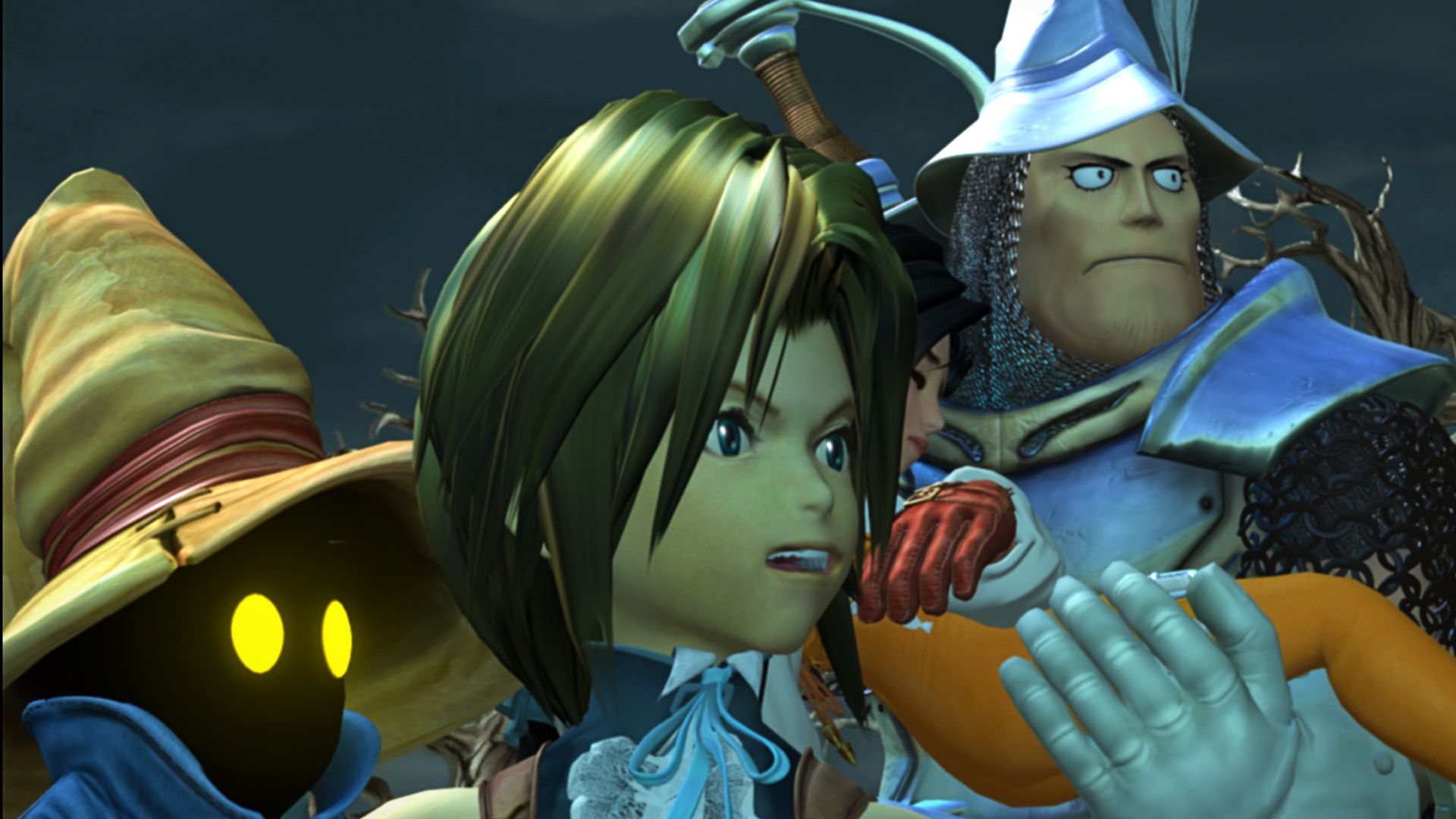
The Final Fantasy IX remake is reportedly 'on ice' per leaker NateTheHate, with no recent development movement reported. Square Enix continues to monetize the IP through a picture-book prequel, new merchandise, and an upcoming animated TV show, implying limited near-term revenue impact and low market significance.
The absence of a near-term blockbuster remake shifts Square Enix's monetization pathway from a single large, lumpy game release to a diversified IP-first strategy (licensing, merch, and linear content). That rebalancing typically reduces one-time development capex and delays high-margin digital sales but increases recurring, lower-margin cash from licensing; back-of-envelope, a mid-tier AAA remake might have generated $75–150m in first-year revenue versus $10–30m from an animated series/licensing roll-out in the same timeframe.
Operationally, developer headcount and engine-time freed by postponement will be reallocated within Square Enix or farmed to partners — accelerating other releases or live-service updates and reducing lead-time for smaller remasters. This is a small structural win for publishers with agile live-service pipelines and for third-party merch/collectibles manufacturers who monetize IP faster than game cycles.
For market flow, the practical impact on semiconductor demand (NVDA) is negligible: one title’s cadence does not move GPU procurement cycles for major engines; the only measurable effect is on retail/retailer sentiment around gaming announcements, which can amplify event-driven volatility but not fundamentals. Primary catalysts to change this view are an official remake greenlight (0–36 months), an outsized licensing deal announcement, or underperformance of the new linear product which would devalue the IP faster than the market is likely to discount it.
AI-powered research, real-time alerts, and portfolio analytics for institutional investors.
Overall Sentiment
neutral
Sentiment Score
0.00
Ticker Sentiment
