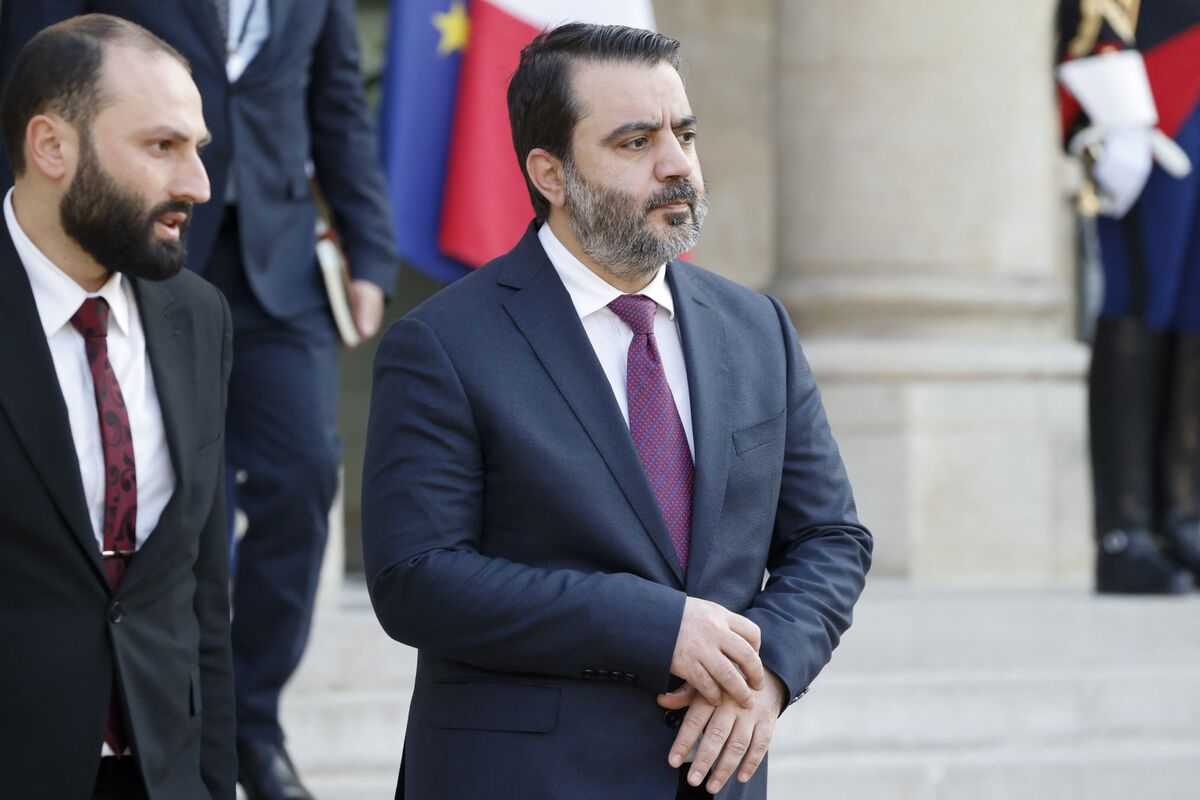
Syrian Foreign Minister Asaad Al-Shaibani and Israeli Strategic Affairs Minister Ron Dermer recently held US-mediated talks in Paris, aiming to de-escalate tensions following a flare-up of sectarian violence and subsequent Israeli retaliatory strikes. This rare direct diplomatic engagement, reported by the Jerusalem Post, signals a concerted effort to stabilize a highly volatile regional dynamic, which could have implications for broader Middle East security and investment stability.
High-level Syrian and Israeli officials have engaged in US-mediated talks in Paris, a notable diplomatic effort aimed at de-escalating regional tensions. The meeting involved Syrian Foreign Minister Asaad Al-Shaibani and Israeli Strategic Affairs Minister Ron Dermer, a key advisor to Benjamin Netanyahu, following a recent flare-up of sectarian violence and a retaliatory Israeli strike. This engagement, while preliminary, is significant given the historical hostility between the two nations. The event's mildly positive sentiment score of 0.25 reflects the constructive nature of dialogue, yet the low market impact score of 0.25 suggests that the market views this as an incremental development with an uncertain outcome. The primary implication is geopolitical, focusing on the potential for reduced conflict in the Middle East, which could lower the regional risk premium rather than affecting specific corporate entities, none of which were mentioned in the report.
AI-powered research, real-time alerts, and portfolio analytics for institutional investors.
Request DemoOverall Sentiment
mildly positive
Sentiment Score
0.25
