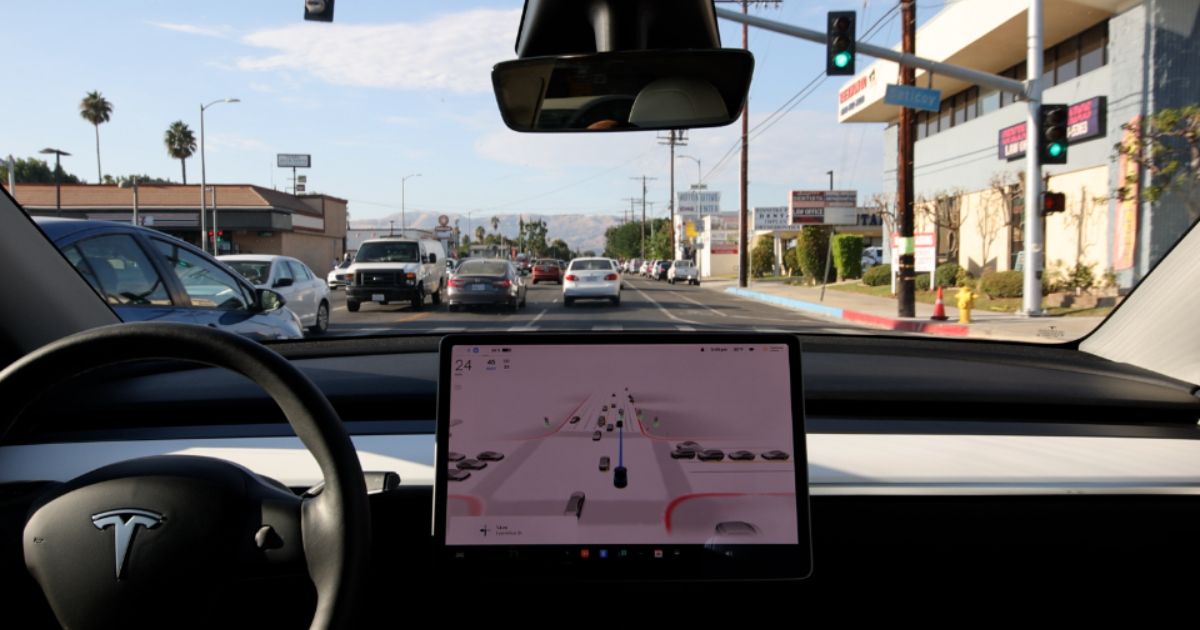
Tesla will roughly double the number of robotaxis operating in Austin in December, expanding a fleet that has been active there since June (company has not disclosed the exact vehicle count). The move—alongside recent permission to offer ride-hailing in Arizona and Musk’s guidance that robotaxis could be active in 8–10 metros by end-2025 and reach roughly half the U.S. population—signals operational scale-up of Tesla’s FSD-based service, though vehicles currently still require human safety monitors and face broader industry regulatory and safety headwinds. Competitors Waymo and Zoox are likewise accelerating expansion, underscoring intensifying competition in the robotaxi market.
Market structure: Tesla (TSLA) is a clear near-term winner — a doubling of Austin robotaxis signals operational scaling that raises marginal utilization and could allow targeted price cuts to capture share from Uber/Lyft in local corridors. Suppliers of lidar/cameras/AI chips and fast-charging infrastructure (battery metals, copper) are secondary beneficiaries; legacy taxi operators and short-term profitability of ride-hailing aggregators are potential losers if Tesla monetizes lower-cost rides. Cross-asset: expect a modest rise in TSLA equity implied volatility around deployment milestones, small spread widening in lower-rated auto suppliers, and incremental long-term pressure on fuel demand offset by higher electricity demand and copper/battery metals intensity.
Risk assessment: Tail risks include a fatal crash, aggressive federal/state regulatory clampdowns, or a supply-chain shock to semiconductors — each could trigger 30–50% downside in TSLA’s autonomy multiple in weeks. Near-term (days/weeks) risks are headline-driven stock swings; medium-term (3–12 months) hinge on permits/expansions in 3–10 metros; long-term (1–3 years) depends on unit economics reaching break-even per vehicle-mile. Hidden dependencies: insurance cost trajectory, availability of Level‑4 charging/maintenance hubs, and continued need for in-car safety drivers; catalysts are state approvals, third-party audits showing <0.5 safety incidents/100k miles, or competitor rollouts.
Trade implications: Tactical: establish a 2–3% portfolio long in TSLA stock with a 12‑month horizon and a 20% stop-loss; complement with 0.5–1.0% notional in 12–18 month LEAP calls ~30% OTM to capture upside if robotaxi rollouts accelerate. Pair trade: long TSLA (0.75%) vs short GOOGL (0.75%) to play execution vs software-centric autonomy, closing if TSLA outperforms by >40% or if a regulatory safety threshold is breached. Overweight EV supply chain (battery metals, copper) by +3% tactical allocation for 12–24 months.
Contrarian angles: The market may be over-extrapolating PR-level scale — doubling an undisclosed small fleet is likely low revenue impact in 2025 and could be a narrative pump absent clear unit economics. History shows pilot fleets (2016–2021) often fail to monetize quickly; a single high-profile incident could reset investor expectations and compress multiples by 30–50%. Watch for rising maintenance/battery replacement costs as utilization increases — if per-mile variable costs rise >15% vs projections, thesis weakens materially.
AI-powered research, real-time alerts, and portfolio analytics for institutional investors.
Request DemoOverall Sentiment
mildly positive
Sentiment Score
0.28
Ticker Sentiment
