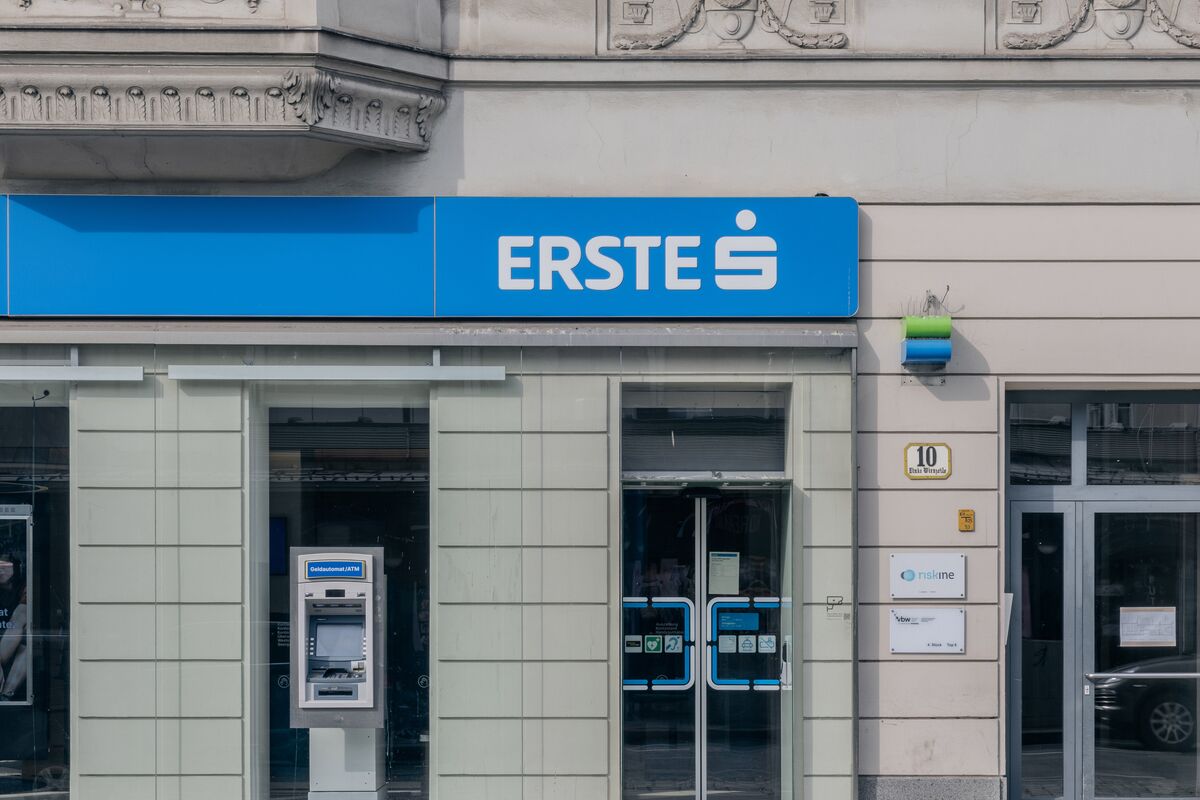
Erste Group Bank AG is accelerating its capital buffer accumulation, with its CET1 ratio now projected to exceed 18.5% by year-end, an increase from the previously anticipated 18.25%. This enhanced capital position is intended to support the Viennese lender's largest-ever acquisition, a deal in Poland.
Erste Group Bank AG has announced an accelerated build-up of its capital buffer, with its Common Equity Tier 1 (CET1) ratio now projected to exceed 18.5% by year-end. This represents an improvement over the previously anticipated 18.25%, indicating stronger capital generation or more efficient capital management by the Viennese lender.
This enhanced capital position is strategically significant as it is intended to support the bank's largest-ever acquisition, a deal in Poland. The proactive capital strengthening suggests management's confidence in both its operational performance and its ability to execute significant M&A without compromising financial stability.
The updated guidance reflects an optimistic outlook from management regarding the bank's financial health and strategic growth initiatives. The faster capital accumulation, coupled with the funding of a major acquisition, signals robust company fundamentals and potential for future expansion within the banking sector.
AI-powered research, real-time alerts, and portfolio analytics for institutional investors.
Request DemoOverall Sentiment
strongly positive
Sentiment Score
0.65
