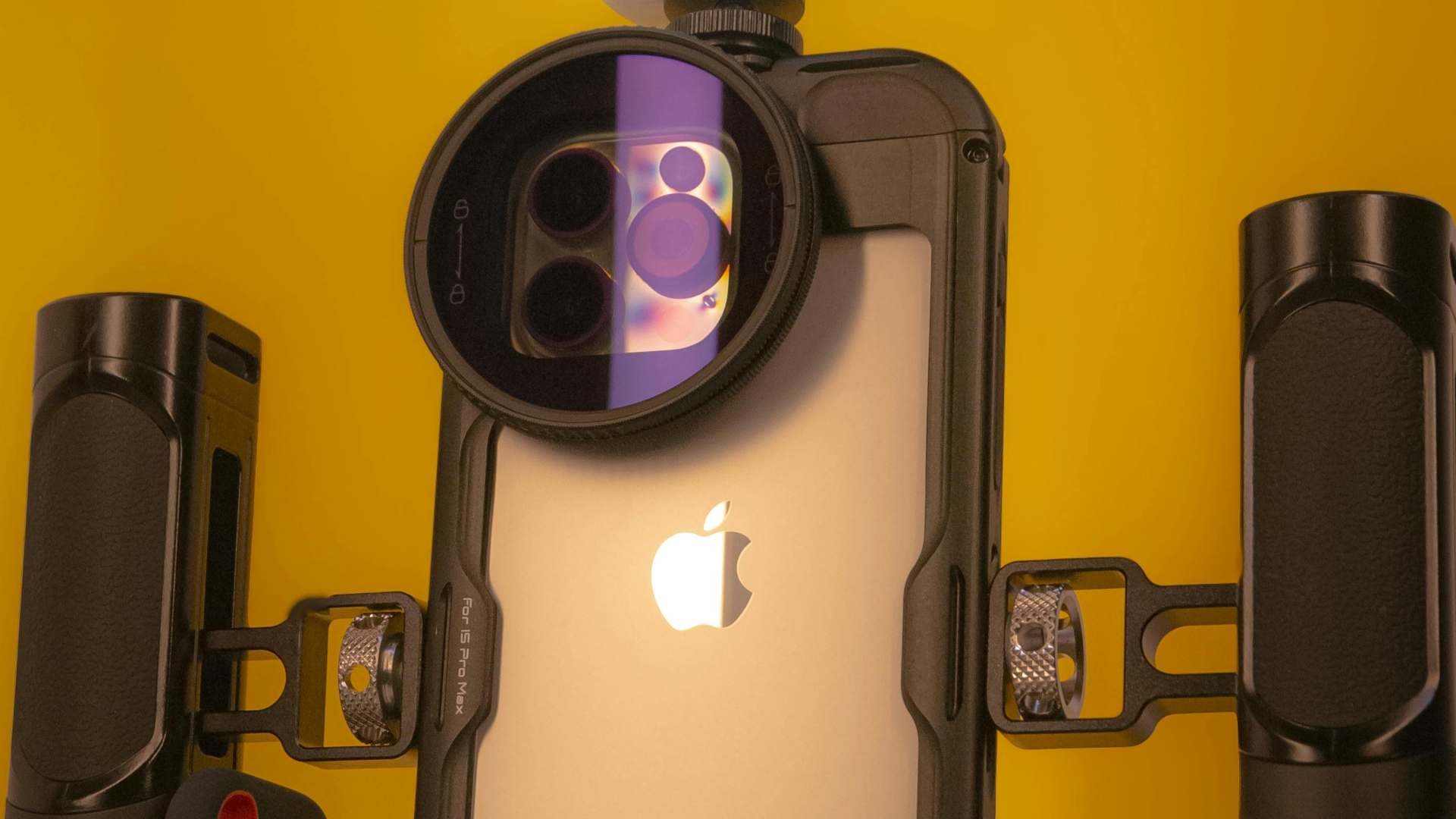
Apple is reportedly ramping mass production of a mid-range iPhone 17e (6.1-inch, Dynamic Island, 18MP selfie, likely 256GB base and MagSafe) with BOE and Samsung Display supplying panels and an expected price near £499 ($599), signaling a push into the lower-priced flagship market. Separately, leaks point to a premium iPhone 18 Pro with a mechanical iris and an A20 Pro chip built on TSMC's 2nm process (costing about $280 per unit) that could pressure margins and lift Pro pricing, while a high-end creaseless iPhone Fold (5.5" outer/7.8" inner, Liquidmetal hinge, 24MP under-display camera) is tipped to command roughly £2,000 ($2,400); Apple may also delay its base iPhone 18 lineup into spring 2027. These developments have implications for supply-chain allocations, component cost exposure and Apple’s pricing mix, making upcoming product cadence and margin guidance items to monitor for investors.
Market Structure: Winners are AAPL (ecosystem/ASP lift), TSM (2nm A20 wafer demand) and display suppliers (Samsung Display/BOE) as Apple ramps both mid-range volume and high-end foldable R&D; losers include QCOM (in-house C1X displaces modem revenue) and smaller modem suppliers. Expect pricing power at the mid-range to compress Android makers’ differentiation while Apple can trade higher volume (target +5-10% units YoY for mid-range) with modest margin pressure on Pro models due to A20 cost ($280/unit). Supply/demand signals: BOE/Samsung panel ramps imply near-term panel supply is adequate but TSMC 2nm capacity is tight, making TSM a critical bottleneck and pricing lever.
Risk Assessment: Tail risks include a creasing/failure issue on the foldable causing recalls, a 2nm yield miss at TSMC, or regulatory curbs on chip exports — any would move AAPL share price -8% to -20% in shock scenarios. Time horizons: immediate (days) for rumor-driven IV and supply chatter; short-term (weeks–months) for 17e launch and sell-through; long-term (quarters–years) for foldable adoption and margin impact from A20. Hidden dependency: Apple’s move to C1X reduces QCOM revenue but may leave Qualcomm mmWave/other RF lines intact; services/ accessories (MagSafe) could materially offset hardware margin swings.
Trade Implications: Establish a tactical 2–3% long AAPL position within 2–6 weeks to capture launch upside, paired with a Mar 2026 AAPL 1–month call spread (buy ATM, sell +8% OTM) sized to limit premium, profit target +12% and stop -6%. Add 2–4% long TSM (TSM) targeting 12–20% outperformance into H1 2026 on 2nm pricing; hedge with a 1–2% short QCOM or buy 6-month QCOM puts (delta ~0.30) as downside insurance. Sector rotate modest overweight to semis/Display supply chain and underweight modem-centric names.
Contrarian Angles: Consensus underestimates upside to Apple Services/Accessories from a 256GB mid-range and MagSafe addition — a 1–2pt ARPU lift could justify higher AAPL comps even if Pro margins compress. The market may over-penalize QCOM; Qualcomm still captures non-Apple TAM and auto/IoT growth, so keep shorts small and time-limited. Historically, SE-type mid-range launches expand unit base rather than cannibalize, so overweighting AAPL on a pullback near -6% is a high-odds play.
AI-powered research, real-time alerts, and portfolio analytics for institutional investors.
Request DemoOverall Sentiment
mildly positive
Sentiment Score
0.25
Ticker Sentiment
