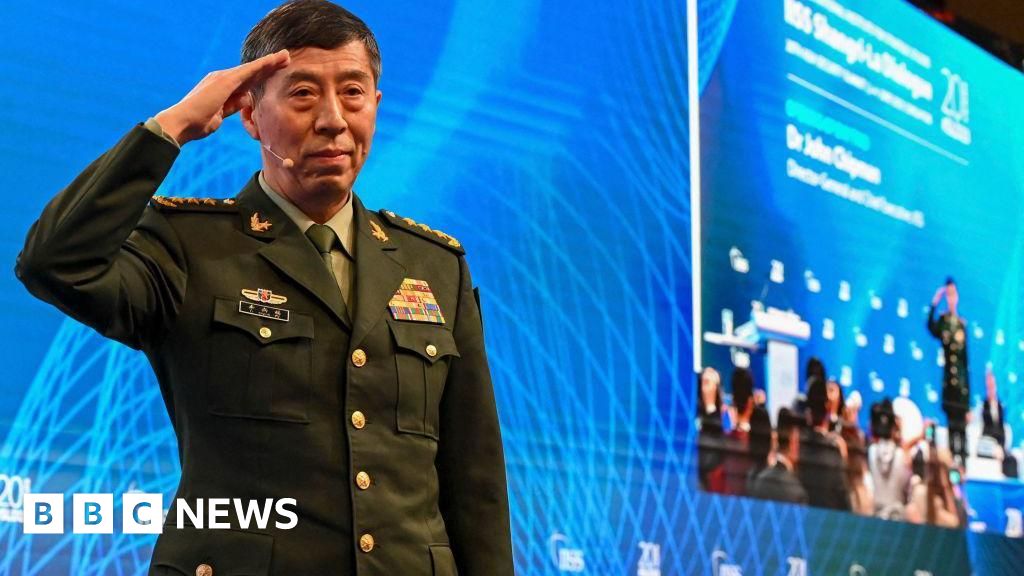
Two former Chinese defence ministers, Wei Fenghe and Li Shangfu, were handed suspended death sentences on corruption charges, with all personal assets confiscated. The case underscores Xi Jinping's ongoing anti-corruption purge inside the military, including the recent removal of other top defense figures. While the news is primarily political, it raises governance and stability concerns around China's military leadership and defense establishment.
This is less an isolated corruption headline than evidence of a broader regime-control reset inside the PLA. The second-order implication is that procurement, promotions, and budget execution in defense are now under a higher-friction approval regime, which typically slows discretionary spending while improving central control over strategic programs. In the near term that is bearish for marginal suppliers tied to non-essential or relationship-driven contracts, but can be supportive for firms with the strongest political backing and cleaner compliance profiles.
The bigger market signal is not about near-term military capex cuts; it is about decision latency and counterpart risk. When senior officers are being liquidated politically, lower-level buyers and procurement managers tend to defer spending, over-document, and delay signature risk for several quarters, which can create a lagged hit to order conversion even if headline budgets stay intact. That dynamic is especially relevant for dual-use industrials, avionics, sensors, and contractors with high exposure to China sales or China-sourced subassemblies.
The contrarian angle is that headline severity may actually reduce, not increase, the probability of an uncontrolled policy lurch in the next 6-12 months. By consolidating power, the leadership may become more disciplined on military modernization spending and less tolerant of waste, which could eventually improve capital efficiency in state-linked defense supply chains. But that is a longer-cycle story; over the next 1-3 quarters, the tradeable effect is governance uncertainty, slower approvals, and elevated purge risk for anyone depending on personal ties rather than institutional channels.
From a geopolitical perspective, this raises the odds of more cautious external signaling from Beijing while internal enforcement is ongoing, but also increases tail risk around miscalculation if sidelined factions try to prove loyalty. That keeps the defense premium structurally bid globally, while China-exposed industrial names carry a hidden discount from procurement unpredictability. The most asymmetric setup is to fade beneficiaries of Chinese military modernization where earnings depend on smooth execution, while staying long Western defense primes that benefit from a persistently higher threat environment without direct China procurement exposure.
AI-powered research, real-time alerts, and portfolio analytics for institutional investors.
Request DemoOverall Sentiment
moderately negative
Sentiment Score
-0.40
