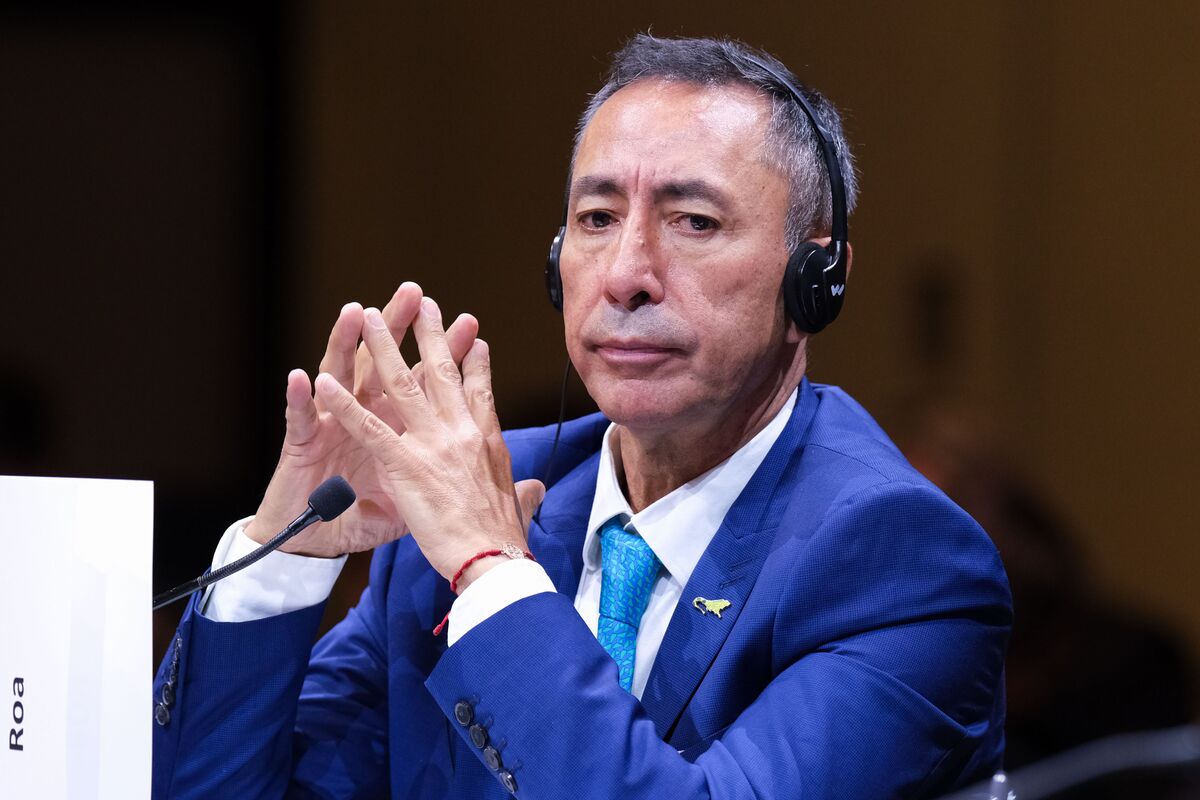
Ecopetrol CEO Ricardo Roa was ousted by the board after Colombian prosecutors charged him with alleged influence peddling and violating campaign spending limits tied to Gustavo Petro’s 2022 campaign; Roa will be on leave until June 28. The leadership disruption raises near-term governance and political risk for Colombia’s state oil company ahead of the presidential transition in August and could pressure Ecopetrol shares and investor confidence.
A sudden governance shock at the nation’s largest oil producer will acutely raise the political-risk premium that underpins both equity and credit valuations. Expect trading to reprice a combination of operational friction (paused approvals, slower contracting) and financing stress: a 100–300bp widening in company CDS and a 10–20% retrenchment of near-term capital deployment would plausibly translate to 2–5% lower production/FCF versus prior guidance over the next 12 months. Market attention will cluster on cash-flow timing rather than reserves — even modest capex deferrals have outsized near-term EPS impact for a levered, state-linked E&P with tight fiscal obligations.
Second-order winners include diversified regional producers and international contractors who can pick up displaced project work or capital flows; expect M&A optionality for acquirers with dry powder as management bandwidth shrinks domestically. Losers will be domestically focused oilfield services, short-cycle exploration partners, and Colombian sovereign credit-sensitive instruments if the company is forced to tap state support. FX volatility should favor local exporters and commodity hedges while pressuring domestic-currency denominated assets.
Key catalysts and timeframes: immediate volatility (days) around governance updates and legal filings, credit repricing over weeks–months as rating agencies and lenders react, and fundamental revaluation over 6–18 months if policy or ownership signaling changes persist. Tail risks include protracted legal outcomes or regulatory clampdowns that could permanently alter contract terms and asset valuations; conversely, a rapid, credible board-led management reset or affirmative regulatory clarification could erode most of the short-term premium within 30–60 days.
The consensus will likely overshoot on permanent damage; the company’s underlying oil price exposure provides a natural floor, so any directional trade should be size-limited and hedged. Treat this as a political-credit event, not an operational bankruptcy story — position for a stressed but recoverable outcome unless legal escalation becomes structural.
AI-powered research, real-time alerts, and portfolio analytics for institutional investors.
Request DemoOverall Sentiment
moderately negative
Sentiment Score
-0.60
Ticker Sentiment
