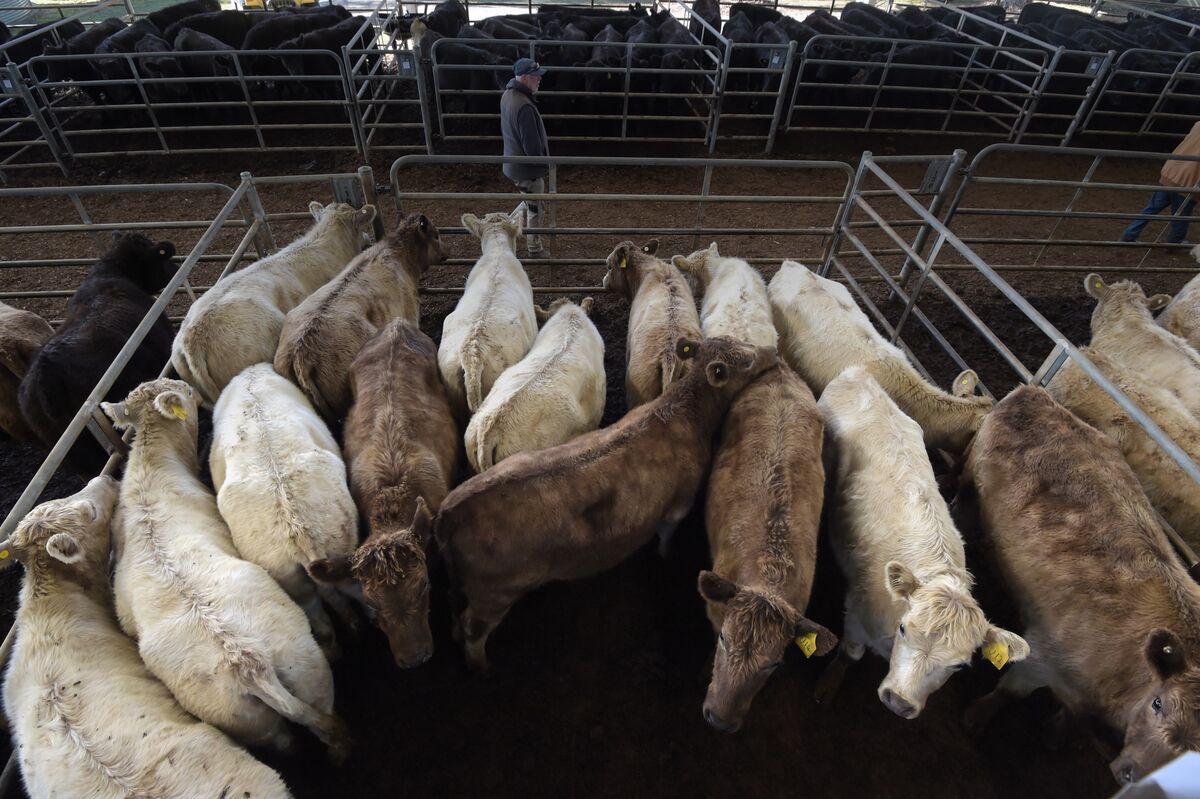
Australia's beef exports reached a record pace with shipments of 1.4 million tonnes in the first 11 months of the year, up 15% year‑on‑year and already above the prior full‑year high of 1.34 million tonnes in 2024. Meat & Livestock Australia attributes the surge to strong US demand and notes there is no sign of a rebuild in the American cattle herd, a dynamic that supports continued Australian export volumes despite existing Trump-era tariffs. The data is favorable for Australian beef producers and exporters and may influence near-term pricing and supply dynamics in global beef markets.
Market structure: Australian beef exporters (ASX: AAC, smaller ABX names) are direct beneficiaries as record shipments (1.4mt in first 11 months, +15% YoY) increase pricing power in short-to-medium term; US packers (e.g., TSN, JBS) face margin pressure because the US herd shows no rebuild, keeping domestic supply tight and pushing up live-cattle prices. Competitive dynamics tilt toward exporters with export-ready scale and freight access — incumbents with contracted US supply chains capture rents while integrated US processors see squeezed spreads.
Supply/demand and cross-asset: persistent US herd undersupply implies elevated cattle futures (CME: LC) for 12–36 months, supporting feeder cattle prices and imported beef volumes; this should buoy AUD modestly (trade-weighted moves of 1–3%) and pressure US food retail margins, potentially widening credit spreads for highly leveraged packers. Options and equity volatility in meat processors should reprice higher around USDA reports.
Risks and catalysts: tail risks include tariff escalation, FMD/outbreaks, sudden US herd rebuild incentives, or logistics shocks; a credible US herd rebound would likely take 18–36 months but would be the primary reversal catalyst. Key catalysts to monitor: monthly USDA Cattle-on-Feed, Australian export data (monthly), any US trade/tariff action within 30–90 days, and weather-driven supply shocks.
Contrarian angles: consensus may underweight duration — if US herd contraction persists, Australia will keep pricing power for multiple seasons, creating multi-quarter alpha for exporters; conversely, markets may underprice regulatory/tariff tail risk that can compress export margins quickly. Historical cattle cycles show multi-year elevated prices after herd contractions, so play conviction should be medium-term (6–24 months) and hedged.
AI-powered research, real-time alerts, and portfolio analytics for institutional investors.
Request DemoOverall Sentiment
mildly positive
Sentiment Score
0.35
