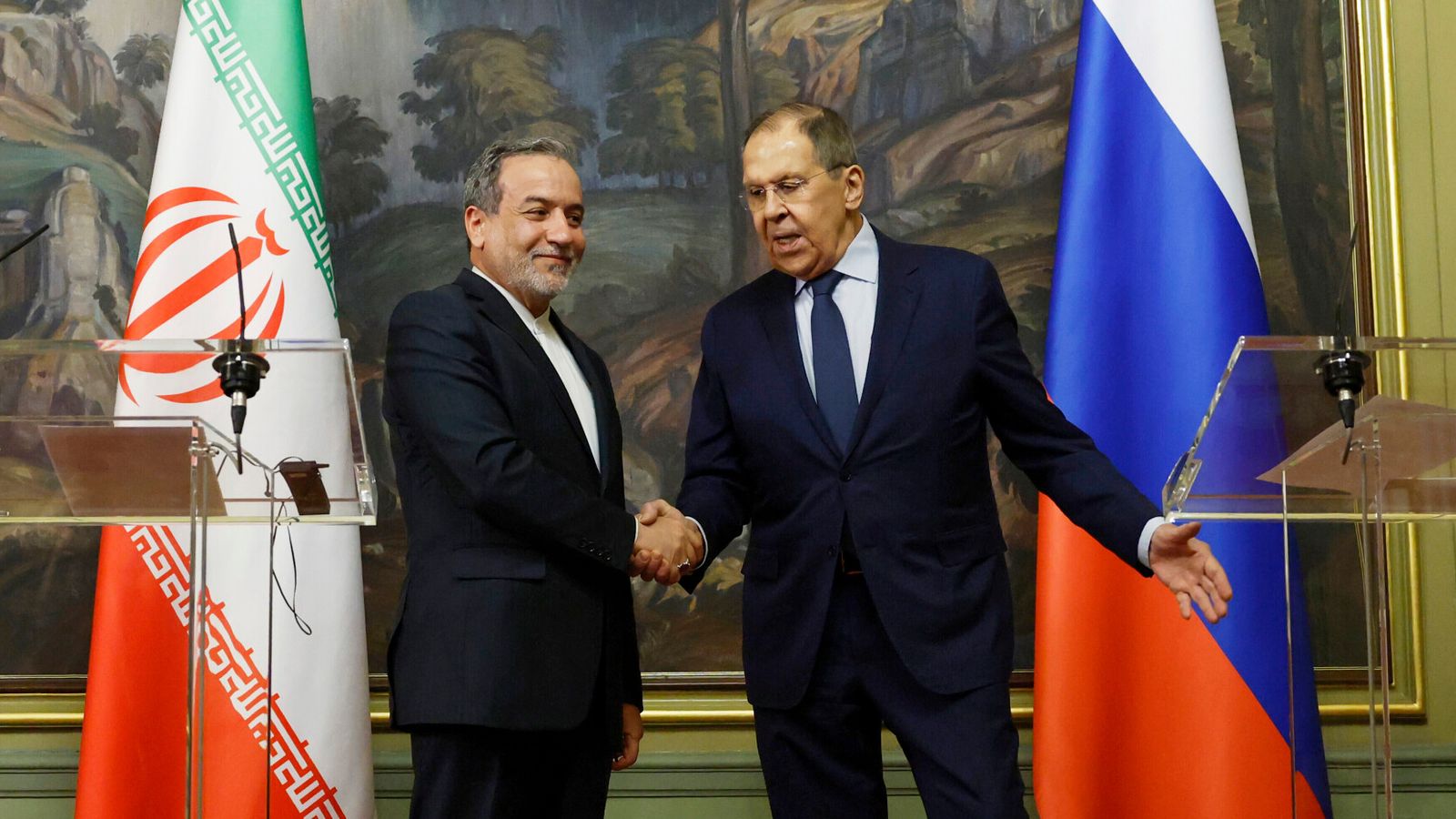
Following US airstrikes on Iran, Russia's strong public condemnation is assessed as largely rhetorical, with Moscow unlikely to offer substantive military backing to Tehran. This is attributed to the absence of a mutual defense clause in their strategic partnership, Russia's resource strain from the Ukraine conflict, and a strategic interest in preserving warming US relations. Instead, President Putin is actively engaging in diplomatic efforts to de-escalate the situation, aiming to position Russia as a peacemaker and potentially leverage the crisis to secure concessions from the US regarding Ukraine.
Russia's public condemnation of US airstrikes on Iran is assessed as primarily rhetorical, with substantive military intervention being highly improbable. This conclusion is supported by several factors outlined in the report: the strategic partnership between Moscow and Tehran lacks a mutual defense clause, Russia's military resources are heavily concentrated on the war in Ukraine, and there is a desire to preserve a potential rapprochement with the United States. The Middle East conflict serves as a beneficial geopolitical distraction for the Kremlin, diverting international attention from Ukraine. However, Moscow has a vested interest in preventing a full-scale escalation that could threaten the stability of its Iranian ally, a scenario that would further erode Russia's regional influence. Consequently, President Putin is actively engaging in high-level diplomacy with all involved parties, positioning himself as a key mediator. The strategic objective appears to be leveraging this peacemaker role to secure concessions from the US, specifically a potential withdrawal of support for Ukraine.
AI-powered research, real-time alerts, and portfolio analytics for institutional investors.
Request DemoOverall Sentiment
mildly positive
Sentiment Score
0.25
