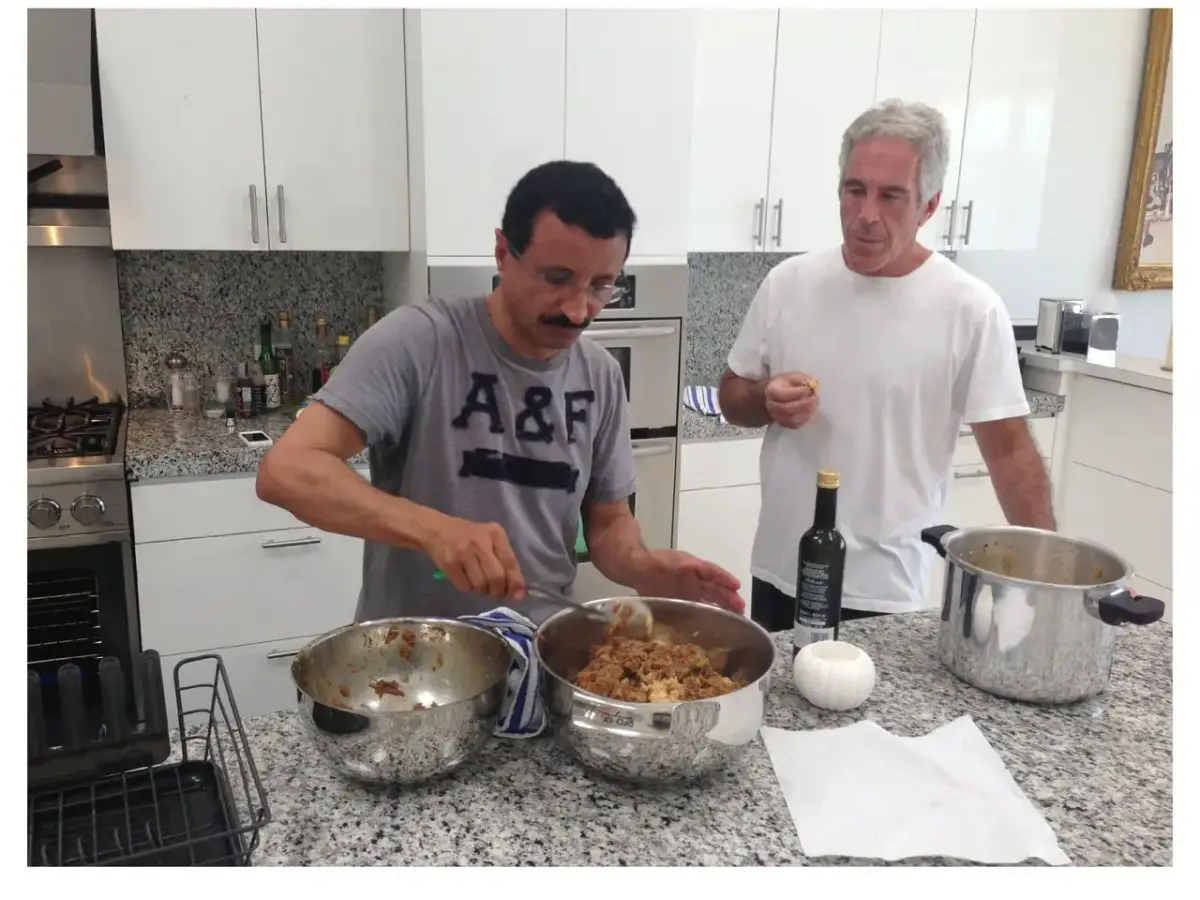
Unredacted DOJ documents and congressional confirmation identify Sultan Ahmed bin Sulayem, Group Chairman and CEO of DP World, as the recipient of a 24 April 2009 email from Jeffrey Epstein saying “I loved the torture video,” a likely reference to a widely broadcast UAE torture tape two days earlier. The files show continued correspondence into the 2010s and evidence Bin Sulayem sought Epstein’s influence on strategic projects such as DP World’s Port of Berbera investment in Somaliland, raising reputational and regulatory scrutiny from Western governments. DP World has not publicly refuted the identification, creating potential governance and partner-risk implications for a company with large global port and logistics operations.
Market structure: The revelation concentrates political and reputational risk on DP World (DPW.DU) and on Western port concessions that rely on Gulf sovereign relationships. If Western governments (UK/US/India) review or suspend sensitive contracts, expect DP World market share in contested terminals to fall by 5–15% regionally over 3–12 months while global terminal operators (A.P. Moller‑Maersk, CMA CGM, Hutchison-linked assets) capture incremental volumes. Short-term capacity friction could push localized container rates and terminal congestion costs up mid-single digits for 4–8 weeks; DPW credit spreads could widen 50–150bps forcing higher funding costs.
Risk assessment: Tail risks include contract terminations, loss of security clearances at strategic ports, fines, and executive/board churn; these are low probability but high impact and could trigger covenant breaches within 3–12 months. Immediate effects (days) are reputational equity selloffs and volatility; weeks–months bring legal/sovereign reviews; long term (quarters) could see structural re-pricing of Gulf SOE-linked assets. Hidden dependency: DPW’s earnings rely on government-backed concessions and sovereign capital relationships that are politically fragile.
Trade implications: Tactical trades should size for event-driven volatility: hedge or short DPW.DU (2–3% portfolio tilt) using 3‑month put structures (target 20–30% downside, stop-loss at 10% loss), and take a long/short pair (long AMKBY / short DPW.DU) to capture market-share reallocation. Buy 1–3 month ATM straddles on liquid shipping names (ZIM) to capture sector volatility spillover; reduce concentrated exposures to UK port concessions by 25–50% if legal linkage exists.
Contrarian angles: Consensus assumes prolonged asset impairment; that may be overdone if DP World secures rapid legal denials, personnel changes, or indemnities from sovereign backers. If investigations remain procedural with no contract cancellations within 60–90 days, DPW.DU could rebound 20–35% from panic prices. Historical parallel: reputational shocks (e.g., 2013 sovereign-linked scandals) caused short-term haircuts but limited long-term asset displacement when host governments stood behind incumbents.
AI-powered research, real-time alerts, and portfolio analytics for institutional investors.
Request DemoOverall Sentiment
moderately negative
Sentiment Score
-0.60
