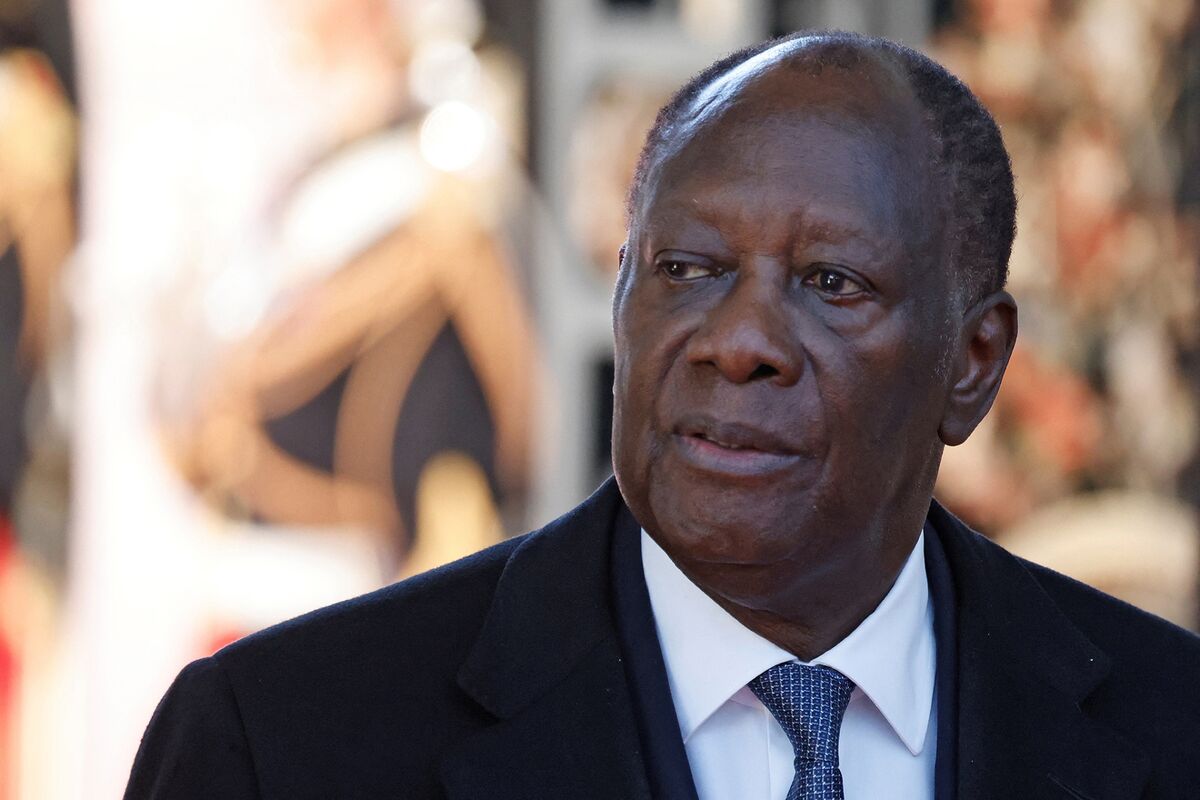
Thousands of Ivorians, led by former President Laurent Gbagbo, have staged a second protest this week against incumbent President Alassane Ouattara's bid for a contentious fourth term, ahead of the October 25 election. This escalating political opposition signals increasing instability and uncertainty in Ivory Coast, potentially impacting the country's investment climate and future political landscape.
Escalating political tensions in Ivory Coast present a material risk for investors as the October 25 election approaches. The second protest in a single week, led by influential former President Laurent Gbagbo against incumbent President Alassane Ouattara's fourth-term bid, signals a deepening political divide and a heightened probability of instability. This situation introduces significant uncertainty into one of West Africa's key economies, directly threatening the political stability that underpins its investment climate. The moderately negative sentiment and uncertain tone underscore the risk of a contested election, potential civil unrest, and subsequent policy disruption, which could negatively impact sovereign credit risk and the operating environment for any assets with exposure to the country.
AI-powered research, real-time alerts, and portfolio analytics for institutional investors.
Request DemoOverall Sentiment
moderately negative
Sentiment Score
-0.55
