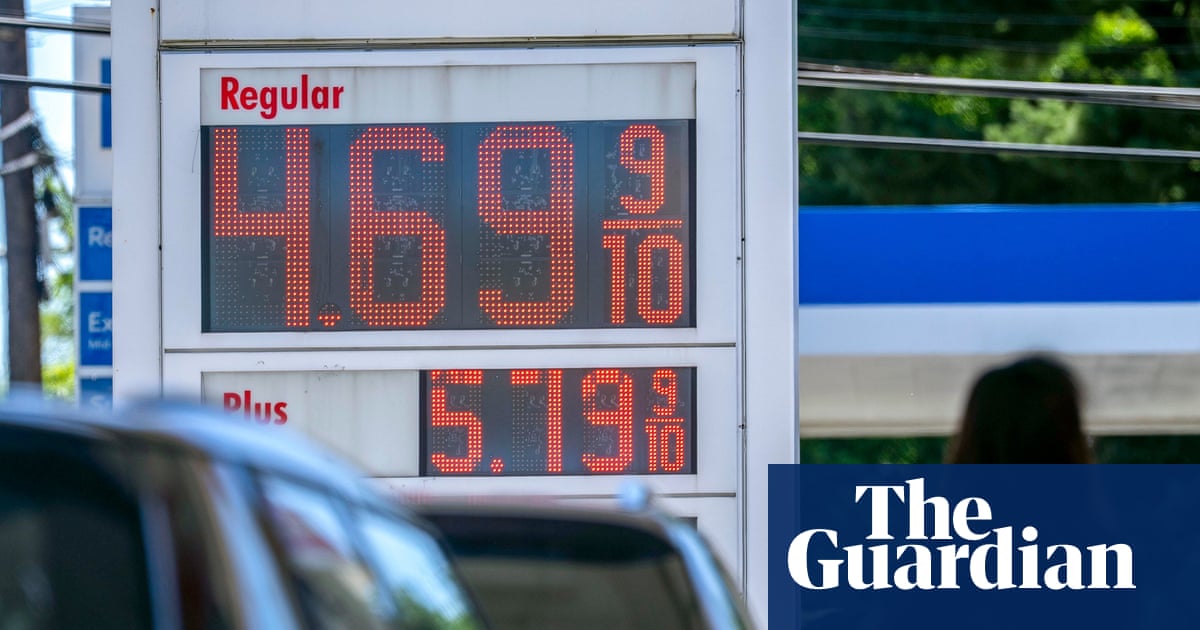
US inflation accelerated to 4.2% in May, a three-year high and the third straight monthly increase, with energy prices driving 60% of the monthly rise. Core CPI rose 2.9%, gasoline averaged $4.15 a gallon, and airline fares jumped 26.7% annually, reinforcing pressure on the Fed to keep rates elevated. The report raises the risk of prolonged higher rates and weaker consumer purchasing power as the Iran conflict keeps oil prices elevated.
The first-order read is hawkish, but the more important second-order effect is that energy-driven inflation is re-anchoring household expectations just as monetary policy credibility becomes more politically fragile. That combination tends to pressure long-duration assets twice: higher real-rate expectations from the Fed, and lower growth expectations from consumers who feel poorer at the pump. The market should care less about the print itself than about the probability that inflation stays sticky even if crude retraces, because wage and airfare pass-through can keep core components elevated for another 1-2 quarters. For GS and JPM, the near-term issue is not NII so much as deal-flow sensitivity and credit dispersion. Higher-for-longer rates compress leveraged-buyout activity and refinancing volumes, while weaker consumer sentiment tends to show up with a lag in credit card delinquencies, auto, and lower-end discretionary spend. JPM is better insulated on balance-sheet strength, but if the market starts pricing a 2026-27 hiking cycle, both names can re-rate lower on weaker capital markets activity and higher funding volatility. The contrarian setup is that consensus may be overestimating how quickly the Fed will react to one inflation datapoint. With labor still resilient, officials may prefer to wait for the energy shock to either fade or broaden before moving, which means the bear case for bonds could be more about a prolonged hold than imminent hikes. That makes the path asymmetric for rate-sensitive sectors: the market can continue to bleed on duration risk even if headline inflation peaks in the next few months. Risk to the hawkish thesis is a fast normalization in oil if geopolitical risk premium unwinds, which would quickly cool headline CPI and squeeze the move in yields. But absent that, the higher-probability regime is slower growth with sticky inflation, which is a poor backdrop for consumer discretionary, travel, and long-duration tech until real yields stabilize.
AI-powered research, real-time alerts, and portfolio analytics for institutional investors.
Request DemoOverall Sentiment
moderately negative
Sentiment Score
-0.45
Ticker Sentiment
