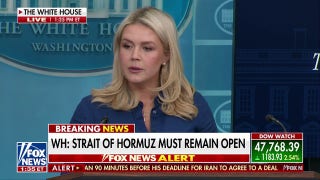
A two-week ceasefire between the U.S. and Iran was announced but immediately appeared fragile as Gulf states reported multiple attacks: Saudi Arabia intercepted 9 drones; UAE intercepted 17 ballistic missiles and 35 drones; Kuwait intercepted 42 drones and 4 ballistic missiles, and Bahrain reported damage/injuries from debris. Israel launched a major strike on Hezbollah (not covered by the ceasefire) and Iran signaled it could again restrict passage through the Strait of Hormuz while U.S. strikes were paused. Immediate implications: elevated geopolitical risk is likely to drive risk-off flows, upward pressure on oil prices and freight/premia for Persian Gulf shipments, and outperformance of defense and safe-haven assets until the truce shows durable compliance.
Immediate market transmission will be driven by shipping frictions and insurance premia rather than fundamental crude balance — a temporary uptick in delivered crude/product costs of $8–15/bbl is plausible within days if transits divert around Africa or require war-risk cover, creating a steepening in front-month vs back-month spreads (contango) and a surge in short-term tanker TC rates. This redistributes value to liquid players able to capture time-charter spikes and storage arbitrage (tanker owners, physical storage operators) while compressing margins for time-sensitive refiners and integrated downstream players with tight feedstock logistics.
Second-order supply-chain effects will show up in LNG and refined product logistics: longer routes and port congestion push bunker consumption higher and increase voyage times, tightening spot diesel/jet availability in Europe and Asia for 2–8 weeks and creating a transient demand shock for spot LPG and marine fuel. That sequence favors short-duration options on energy names and physical shipping exposure while creating headache risk for just-in-time manufacturers and global freight integrators, which could amplify equity volatility in related sectors.
Near-term catalysts to monitor (hours–weeks) are verifiable AIS ship density in the Strait of Hormuz, insurance war-risk premium moves from Lloyd’s brokers, and satellite imagery of anchorage buildups — all will lead price discovery by 24–72 hours. Medium-term (1–6 months) outcomes bifurcate: successful de-escalation removes the premium quickly (20–40% drawdown in tanker and short-dated oil vols), while episodic violations or broader regionalization of conflict can force structural rerouting and sustain elevated premiums for months.
Contrarian angle: market volatility may be overstated in liquid paper markets vs real-economy frictions — if the Strait remains nominally open and carriers accept elevated but steady war-risk fees, option markets will mean-revert quickly. That makes short-dated premium selling (with strict hedges) and selective long-dated defense exposure more attractive than large outright multi-month directional energy bets that assume protracted closure.
AI-powered research, real-time alerts, and portfolio analytics for institutional investors.
Request DemoOverall Sentiment
strongly negative
Sentiment Score
-0.60
