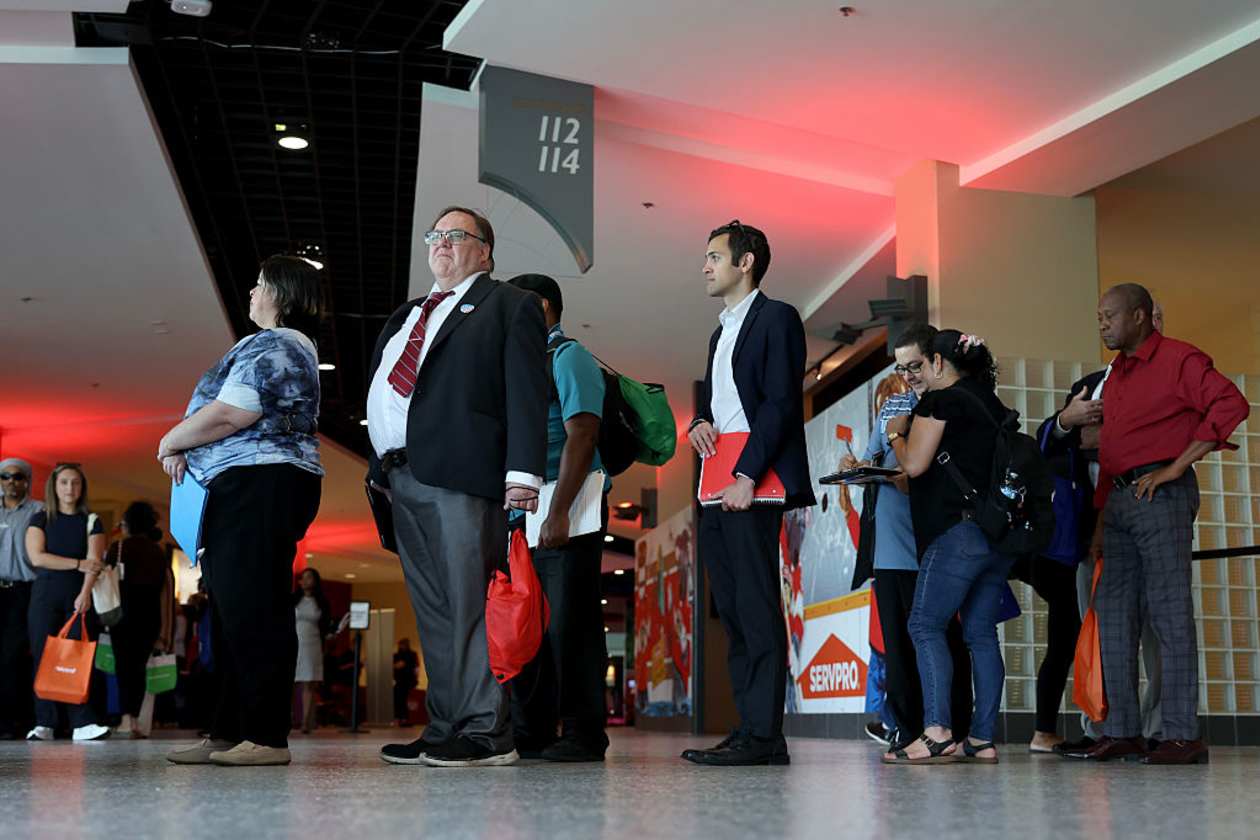
Initial jobless claims surged in September to their highest level since 2021, signaling a softening labor market. Concurrently, average weekly unemployment benefits increased by only 2.6% year-over-year, failing to keep pace with August's 2.9% consumer price inflation. This disparity means the real value of unemployment benefits is eroding, placing increasing financial strain on newly unemployed workers and potentially contributing to longer job search durations, as over 1.9 million individuals are now unemployed for at least six months.
Recent economic data reveals a concerning divergence between a weakening labor market and the purchasing power of unemployment benefits, signaling potential headwinds for consumer spending. Initial jobless claims in September surged to their highest level since 2021, while average weekly unemployment benefits rose by only 2.6% year-over-year, failing to keep pace with the 2.9% consumer price inflation recorded in August. This erosion of real income for the unemployed is exacerbated by structural policy issues, as most states do not index benefits to inflation, creating significant disparities in support, such as California's fixed $450 weekly cap in place since 2005. The consequence is increased financial strain on job seekers, which is occurring as the duration of unemployment lengthens; the number of individuals jobless for at least six months has risen from 1.5 million to over 1.9 million year-over-year. This combination of rising unemployment, diminishing real benefits, and a tougher job search environment points to a drag on consumption, particularly for lower-income households.
AI-powered research, real-time alerts, and portfolio analytics for institutional investors.
Overall Sentiment
strongly negative
Sentiment Score
-0.65
