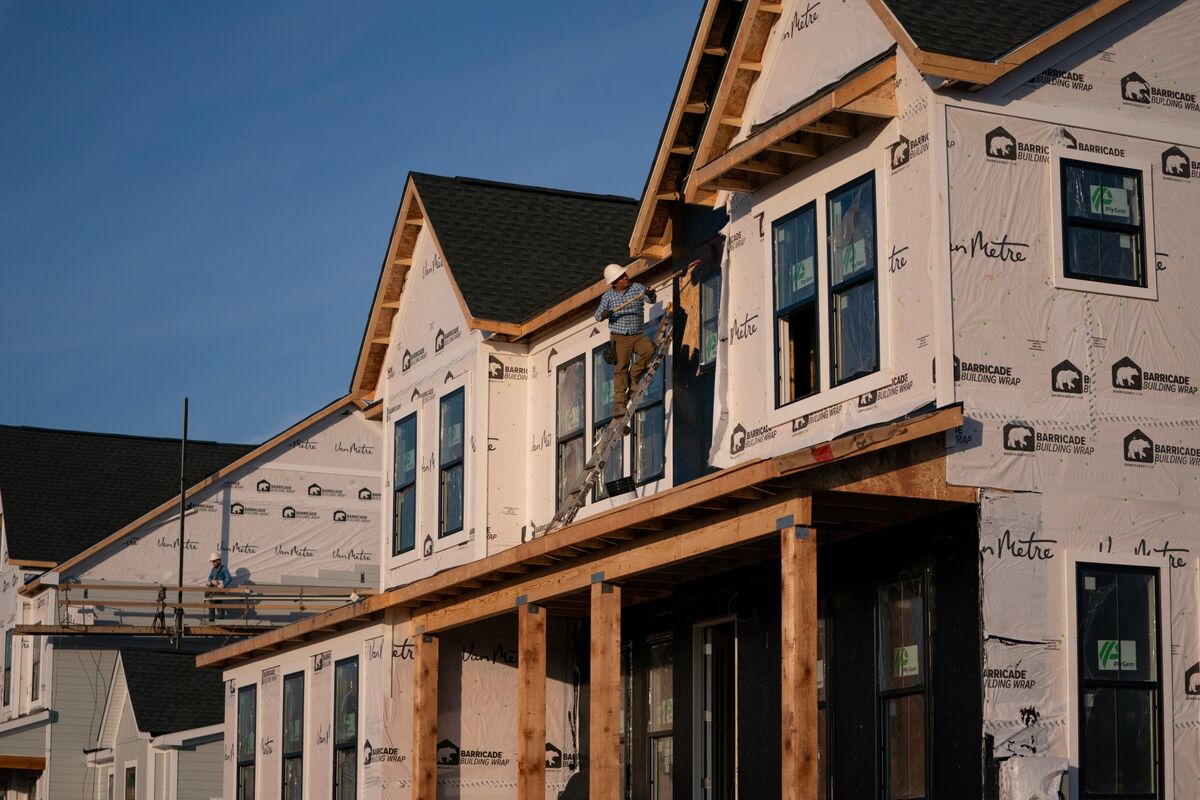
US new-home sales unexpectedly surged 20.5% in August to an annualized rate of 800,000 units, marking the fastest pace since early 2022 and significantly exceeding all economist estimates. This robust increase is largely attributed to builders' aggressive price cuts and sales incentives, indicating a responsive demand environment in the face of such strategies despite broader market conditions.
US new-home sales for August presented a significant upside surprise, surging 20.5% to an 800,000 annualized rate, a level not seen since early 2022. The figure decisively beat all economist forecasts, indicating unexpected resilience in a key segment of the economy. This broad-based advance is not a function of organic market strength alone; it is explicitly attributed to rampant price cuts and sales incentives offered by builders. This dynamic suggests that while underlying buyer interest exists, demand is highly elastic and responsive to affordability improvements. Builders appear to be prioritizing sales volume and inventory management over margin preservation, a strategy that successfully unlocked latent demand despite prevailing macroeconomic headwinds.
AI-powered research, real-time alerts, and portfolio analytics for institutional investors.
Request DemoOverall Sentiment
strongly positive
Sentiment Score
0.80
