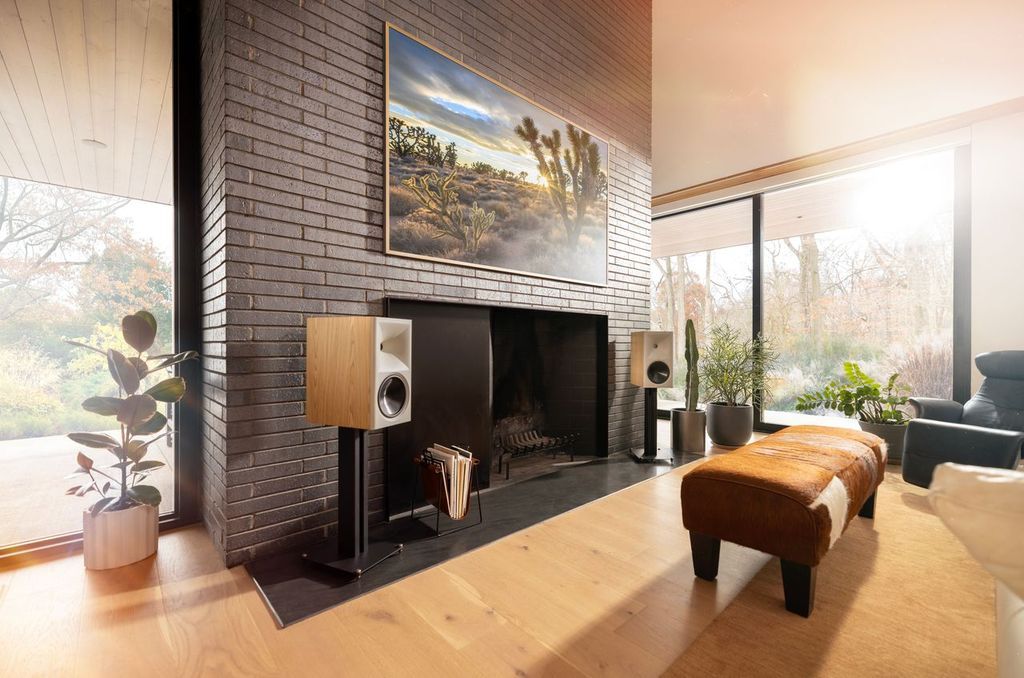
Klipsch launched a next-generation line of powered standmount speakers—The Fives II, The Sevens II and The Nines II—at CES, developed with Onkyo engineering and featuring re‑engineered BMC baffles, Tractrix horns, upgraded woofers (13cm/16.5cm/20cm) and 25mm titanium tweeters. The range targets both AV and hi‑fi markets with Dolby Atmos (full range), DTS:X on the Nines II, Dirac Live on Sevens II/Nines II, Roon Ready and 24‑bit/96kHz playback; physical I/O includes HDMI 2.1/eARC, optical, coaxial, analogue, sub out and built‑in phono (XLR on Nines II). All models ship Spring 2026 in multiple finishes with MSRP per pair: Fives II $1,399; Sevens II $1,999; Nines II $2,399, positioning Klipsch to strengthen its premium powered‑speaker market presence without immediate material implications for investors.
Market structure: Klipsch’s Fives II/Sevens II/Nines II target the premium powered-speaker niche (ASP $1.4k–$2.4k), a low-volume but high-margin segment benefiting hardware suppliers (audio IC/DAC vendors), premium retailers (Best Buy, specialty stores) and licensing owners (Dolby). Incumbents that compete on ecosystem lock-in (Sonos) face modest share risk because Klipsch bundles broad streaming protocols + Dirac/Roon readiness, potentially nudging share toward hardware-first experiential sellers over 6–18 months. Pricing power should remain intact for premium brands; broad-market volumes unlikely to move pricing across the large-volume wireless-speaker market.
Risk assessment: Key tail risks are software/firmware integration failures, supply-chain shocks for specialty drivers/DAC chips, or disappointing reviews that blunt consumer adoption; any of these could wipe out expected incremental sales in Q3–Q4 2026. Short-term (days–weeks) sentiment will hinge on CES buzz and preorders; medium-term (3–9 months) on professional reviews and sell-through; long-term (12–24 months) on ecosystem stickiness and recurring software revenue. Hidden dependencies include Roon/Dirac licensing terms and HDMI/AV ecosystem compatibility—problems there create outsized downside.
Trade implications: Tactical trade set is small, event-driven and asymmetric: overweight Dolby Labs (DLB) for licensing exposure to Dolby Atmos adoption, modest long in Best Buy (BBY) for demo-driven conversion, and a defensive short/put on Sonos (SONO) to hedge ecosystem-share pressure. Use options to limit downside: 6–9 month call spreads on DLB (25% OTM) and 3–6 month puts on SONO (10–15% OTM); scale positions only if first 90-day sell-through >40–60% or if guidance revisions occur. Rotate capital from broad audio discretionary exposure into premium/hardware names if holiday sell-through is positive.
Contrarian view: The market may under-appreciate Sonos’s software lock-in—hardware entrants often struggle to convert long-term multiroom users, so SONO downside could be capped and an aggressive short may be premature without concrete sell-through data. Historical parallels (high-end audio refresh cycles 2015–2019) show incumbents retaining share despite new entrants; conversely, licensing winners like Dolby historically capture upside as feature adoption broadens. Watch early sell-through (90-day) and professional review scores as binary catalysts—if sell-through <30% or reviews subpar, accelerate shorts; if >60% and reviews strong, accelerate hardware/retailer longs.
AI-powered research, real-time alerts, and portfolio analytics for institutional investors.
Request DemoOverall Sentiment
mildly positive
Sentiment Score
0.25
