Law firm Cooley advises companies impacted by tariffs to proactively review executive compensation policies to avoid public backlash, as rising material costs and supply chain pressures may lead to reduced profit margins and potential workforce reductions. The firm warns that existing remuneration policies may not adequately account for external events like trade policy changes, potentially resulting in disproportionately high bonuses for executives while rank-and-file employees suffer; conversely, executives could be unfairly penalized for tariff impacts beyond their control, necessitating careful consideration by compensation committees.
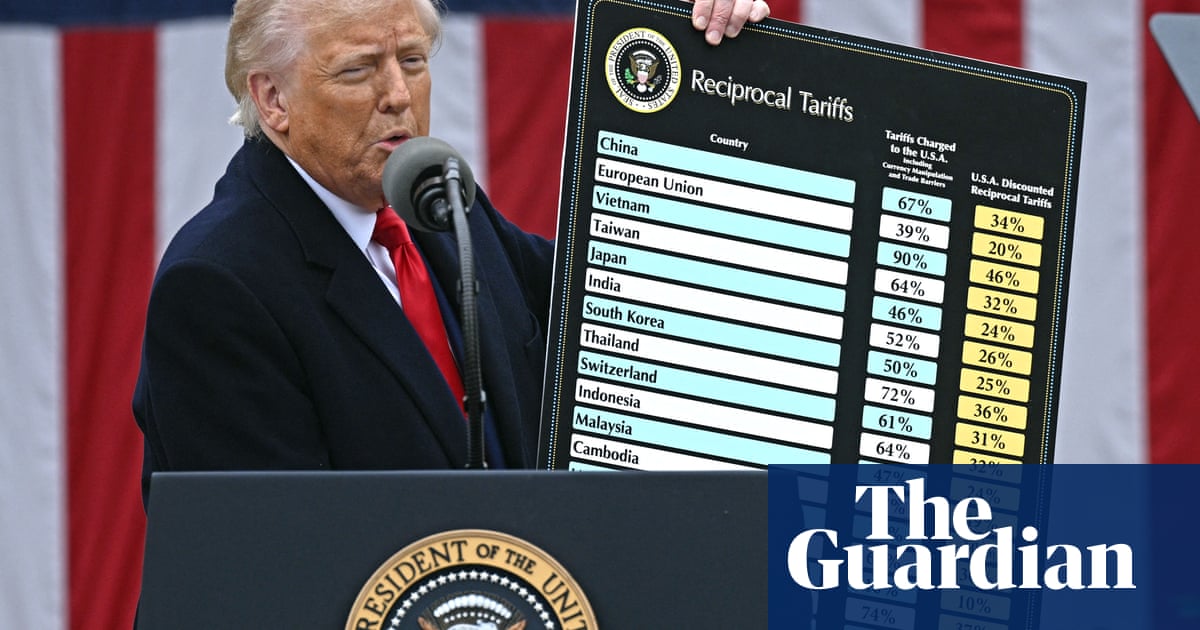
The imposition of unpredictable tariffs, such as those recently expanded by the Trump administration on steel and aluminium imports and restrictions on AI chip exports to China, presents a significant challenge for businesses globally, necessitating a proactive review of executive compensation policies. Law firm Cooley advises that companies, including its clientele like Netflix, Apple, and Meta, face rising material costs and reduced profit margins due to supply chain pressures, which could lead to workforce reductions. This environment creates a risk of public backlash if executive bonuses remain high while rank-and-file employees experience job losses or wage stagnation, particularly as existing remuneration policies may not adequately account for 'black swan events' like sudden trade policy shifts. Compensation committees must therefore carefully consider how to adjust pay structures to avoid unduly rewarding executives or, conversely, unfairly penalizing them for impacts beyond their control. The ripple effects are expected to be widespread, affecting companies even if they do not directly trade with the US, with potential impacts on pay packets likely to surface from early next year. This situation also fuels broader questions, as highlighted by the High Pay Centre, about the fundamental justification for large executive pay awards when business leaders appear relatively powerless against major macroeconomic events.
AI-powered research, real-time alerts, and portfolio analytics for institutional investors.
Request DemoOverall Sentiment
moderately negative
Sentiment Score
-0.50
Ticker Sentiment
