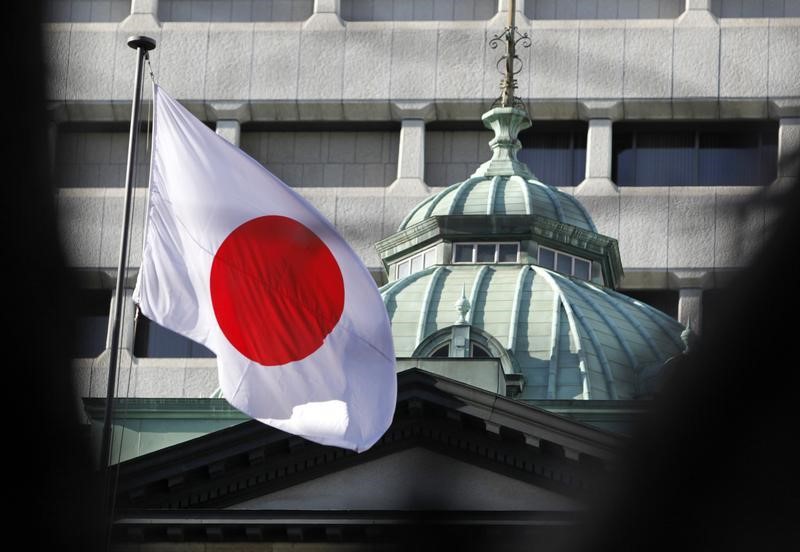
Japanese stocks surged and the yen weakened sharply following Prime Minister Shigeru Ishiba’s resignation, as markets anticipate the heightened political uncertainty will deter the Bank of Japan from near-term interest rate hikes. This reaction is fueled by expectations that potential successors, viewed as less fiscally conservative, may advocate for increased fiscal spending and lower interest rates, despite the BOJ's recent hawkish stance.
The resignation of Japanese Prime Minister Shigeru Ishiba has catalyzed a significant risk-on move in Japanese markets, evidenced by the Nikkei 225's 1.8% surge and a sharp 0.7% depreciation of the yen against the dollar to 148.44. This market reaction is driven by speculation that the heightened political uncertainty will deter the Bank of Japan (BOJ) from implementing near-term interest rate hikes. Although the BOJ has maintained a hawkish stance to combat sticky domestic inflation, it has not raised rates since January, and the current political vacuum is expected to prolong this pause. Market participants are now pricing in the potential for a less fiscally conservative successor to Ishiba, as leading candidates have advocated for increased fiscal spending and criticized the BOJ's tightening bias. This dovish policy expectation is currently overriding stronger-than-expected revised Q2 GDP data, indicating that political developments are the primary driver of asset pricing.
AI-powered research, real-time alerts, and portfolio analytics for institutional investors.
Request DemoOverall Sentiment
strongly positive
Sentiment Score
0.60
Ticker Sentiment
