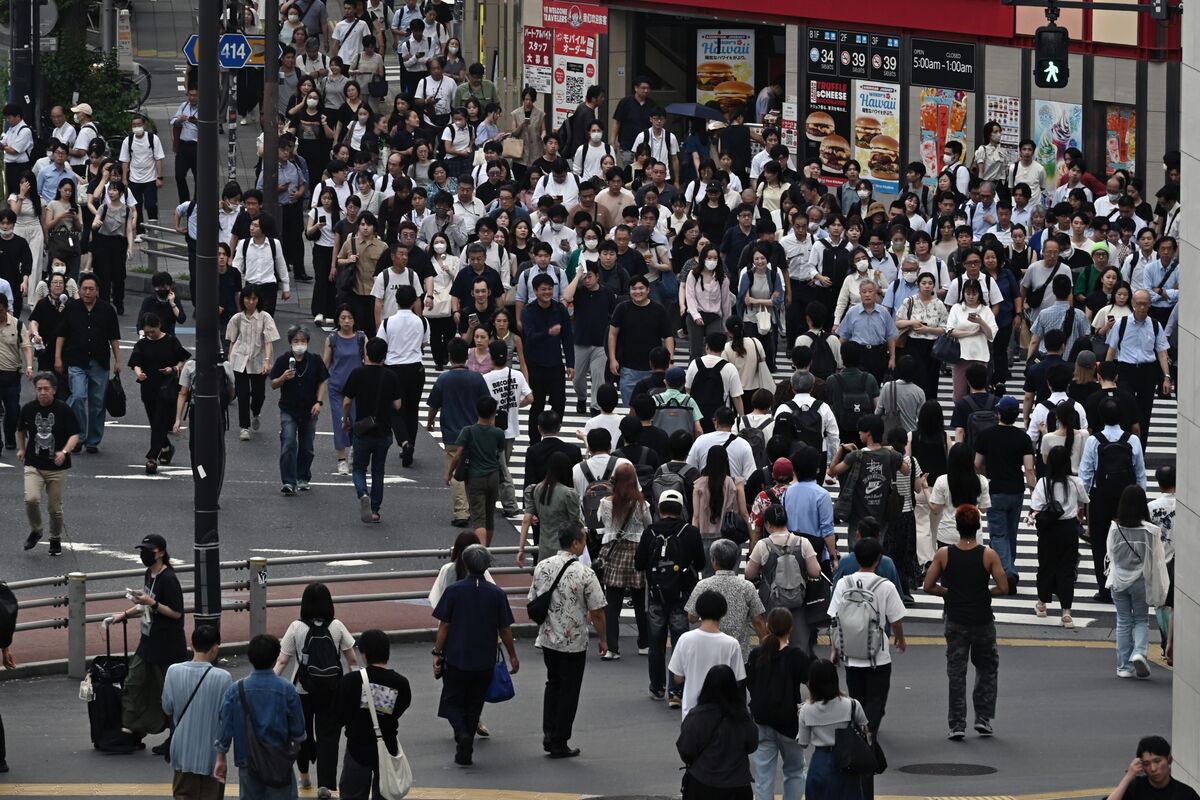
Japan has abruptly canceled a planned cultural exchange program with four African nations, citing public fears of mass immigration fueled by misinterpretations and disinformation. This reversal underscores a growing anti-immigration sentiment within Japan, highlighted by recent electoral gains for the anti-immigration party Sanseito, and signals potential challenges for future international engagement and foreign policy.
Japan's government has canceled a cultural exchange program with four African nations, capitulating to public backlash fueled by disinformation and fears of mass immigration. This policy reversal is not an isolated event but rather a reflection of a rising anti-immigration sentiment within the country, underscored by the recent electoral gains of the anti-immigration party Sanseito. The government's decision to scrap the plan, despite its limited scope, signals a significant political sensitivity to immigration issues and a potential lack of resolve to counter nationalist narratives. While the immediate market impact is rated as low, this development introduces a tangible political risk to Japan's long-term economic strategy, which is widely seen as dependent on attracting foreign labor to offset a severe demographic decline. The incident highlights a growing domestic political challenge that could impede future policies aimed at economic liberalization and international integration.
AI-powered research, real-time alerts, and portfolio analytics for institutional investors.
Request DemoOverall Sentiment
moderately negative
Sentiment Score
-0.50
