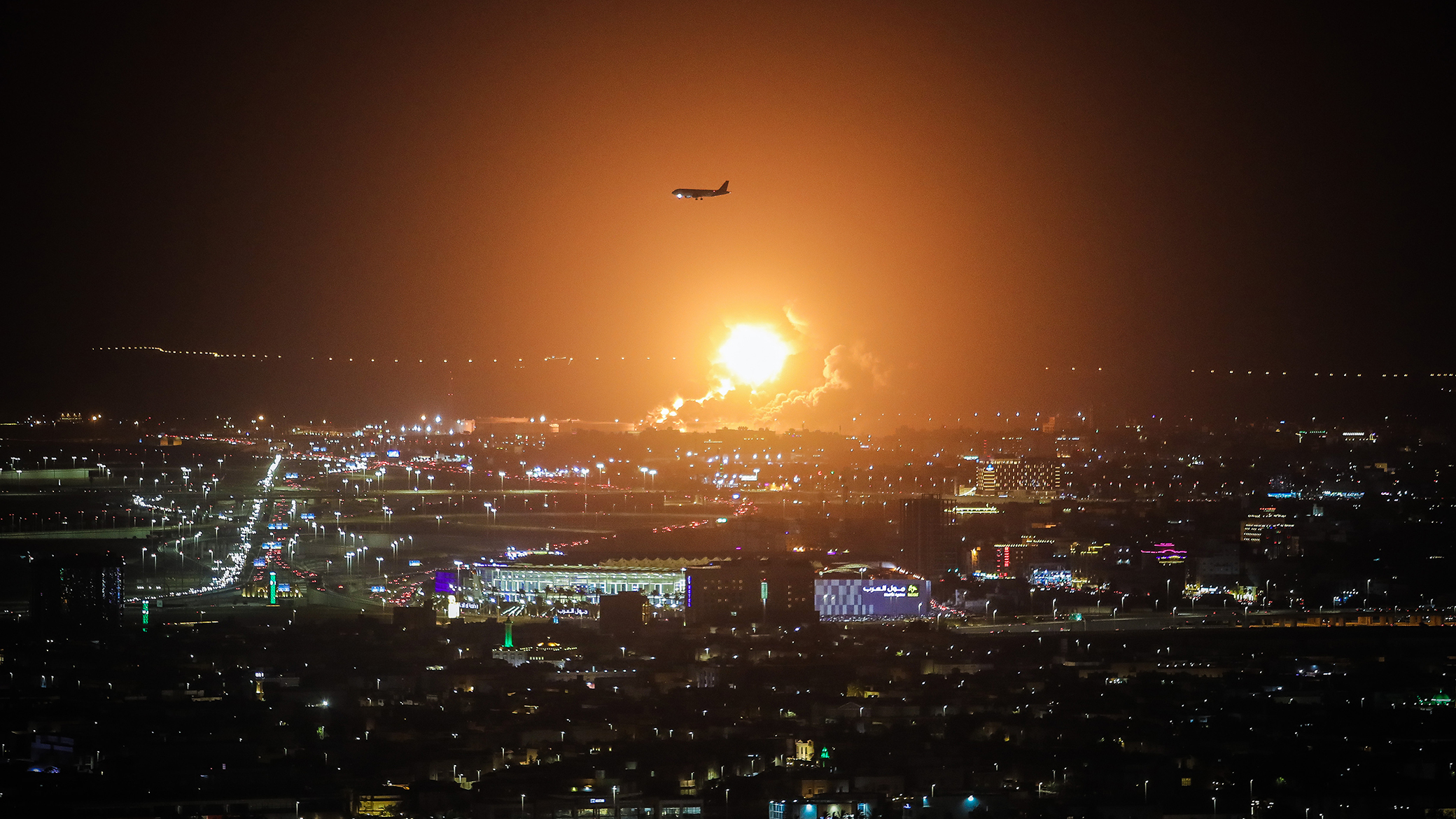
Feb 28–Mar 16: Iran is running a deliberate multidomain punishment campaign targeting Gulf energy, ports, shipping lanes, airports, water, finance and cyber infrastructure, with elevated disruption risk over the next 30 days. The author argues the U.S. should shift from strikes to defense—building a coalition, escorting tankers (likely ~1 convoy per 72 hours in opening stages), deploying ISR, air defense, drones, C2/C‑C5ISR‑T measures, and offensive cyber/electronic deception—to keep flows moving and blunt market-driven coercion; expect higher energy price volatility, rising insurance/shipping premia, and supply‑chain stress.
Macro thesis: markets are repricing an elevated ‘‘operational tail’’ — the asymmetric option value of interrupting global flows — not just a one-off spike in commodity prices. Expect volatility in energy, freight and trade finance to surface as recurring convex shocks (days–weeks) that compound into structural premia in insurance, cyber defense and logistics (months).
Winners and losers: vendors that sell optionality and endurance (cybersecurity firms with enterprise lock‑in, defense primes with sustainment revenue, and owners of very large tankers) pick up disproportionate upside from elevated operating tempos; capital‑intensive, low‑margin logistics players and trade finance lenders bear the first-order pain. Second‑order effects include higher working capital needs for importers, a shift into longer‑dated inventory holdings, and embedded margin pressure for refiners that cannot access advantaged crude grades — a roll that can persist beyond the immediate conflict window.
Risk and catalysts: tail outcomes bifurcate — a rapid multinational operational fix (coalition escorts + diplomatic de‑escalation) can compress premia within 30–90 days, while a protracted campaign that forces permanent re‑routing or sustained insurance repricing (>6 months) will reallocate investment across energy and supply‑chain sectors and push commodity curves into persistent contango. Monitor three catalysts closely: coalition force deployment cadence, sustained jumps in marine/war risk insurance, and signs of systemic cyber disruption to port/terminal ops.
Contrarian read: the market’s reflex to buy defense equipment and broad cyber names is only partially correct — much of the economic benefit accrues to niche service providers (secure logistics, hard‑to‑replicate platform security, large VLCC owners). That suggests alpha is more likely from concentrated, tactical exposures and structured option positions than from broad sector longs that already price in persistent conflict.
AI-powered research, real-time alerts, and portfolio analytics for institutional investors.
Request DemoOverall Sentiment
moderately negative
Sentiment Score
-0.45
