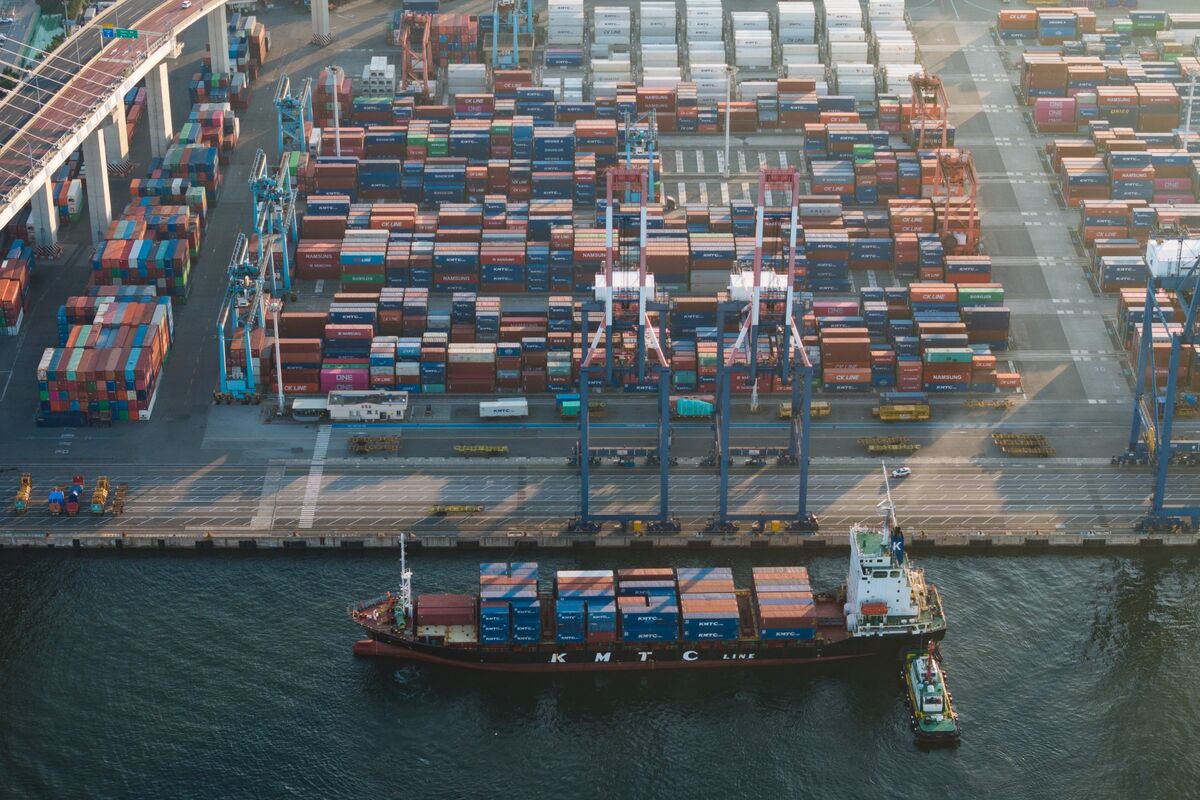
President Donald Trump announced a trade agreement with South Korea, stipulating a 15% tariff on South Korean exports to the US while South Korea commits to $350 billion in US investments. This deal, detailed by Trump on social media, signals a significant shift in bilateral trade dynamics, potentially impacting South Korean export competitiveness and attracting substantial capital inflows to the US.
President Trump's announcement of a new trade agreement with South Korea introduces a significant shift in bilateral economic policy, characterized by two primary components with opposing effects. The imposition of a 15% tariff on all South Korean exports to the US will directly challenge the price competitiveness of South Korean firms in a key market, likely pressuring margins and sales volumes for its export-driven economy. Conversely, the deal includes a commitment from Seoul for $350 billion in US investments, representing a substantial capital inflow that could stimulate growth and job creation in the United States. This dual structure explains the mixed sentiment surrounding the deal; while the US gains a protectionist trade barrier and a massive investment pledge, its consumers and businesses may face higher costs for South Korean goods and components. The announcement's delivery via social media also introduces a degree of policy uncertainty until formal implementation details are clarified.
AI-powered research, real-time alerts, and portfolio analytics for institutional investors.
Request DemoOverall Sentiment
mixed
Sentiment Score
0.15
