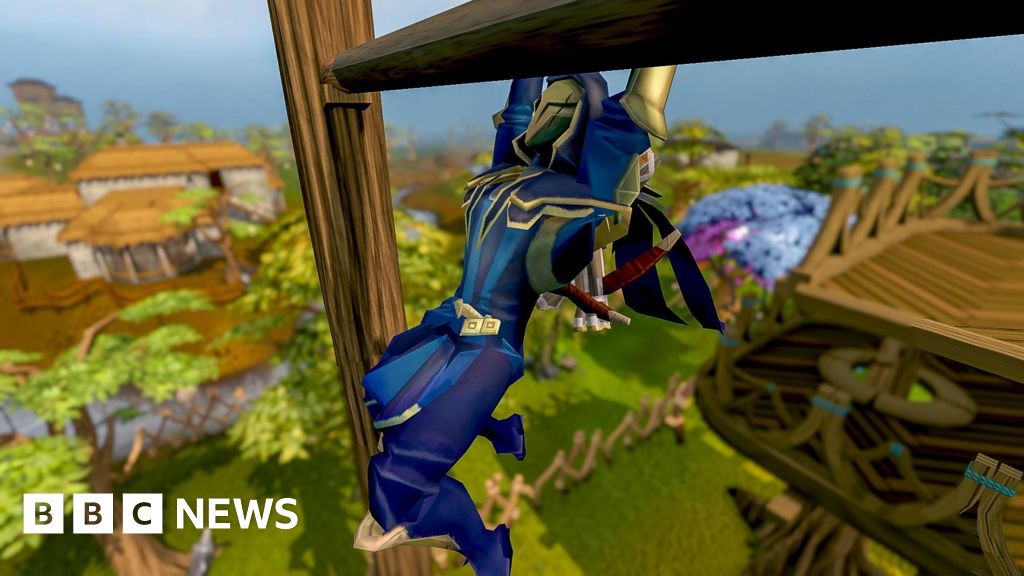
RuneScape experienced material user growth in 2025 with paid membership rising to "well over a million" (a ~30% increase year-to-date) and a 25-year record peak of 240,000 simultaneous players (current concurrency ~175,000). New CEO Jon Bellamy is pursuing anti-bot measures, UI and combat improvements and has begun removing many microtransactions—a move that generated community goodwill but carries near-term revenue risk as part of a 10–15 year strategic bet to drive long-term engagement and growth, particularly for Old School RuneScape, which the company describes as the fastest-growing MMO today.
Market structure: RuneScape's 30% year-to-date paid-member increase to >1M and a 240k peak concurrent-user record shows rare organic demand for long‑tail, community‑centric MMOs. Winners are platforms and middleware that enable community content and streaming (RBLX, U, Twitch ecosystem), plus streamers who monetize attention; losers are short‑term, microtransaction‑heavy mobile publishers whose pricing power may be challenged. Competitive dynamics favor low‑CAC, high‑retention products—market share shifts will be gradual but durable if ARPU tradeoffs (subscription vs microtransactions) improve LTV over 12–36 months.
Risk assessment: Tail risks include regulatory action on loot boxes, a major anti‑bot cost spike, or a failed monetization pivot that cuts revenue >15% YoY; any of these could reverse sentiment within weeks. Near term (days–weeks) watch streamer sentiment and CCU metrics; short term (1–6 months) monitor MAU/paid conversion and ARPU; long term (1–3 years) assess whether retention gains offset lost microtransaction revenue. Hidden dependencies include influencer adoption, backend integrity investments, and community governance that can create large second‑order retention effects.
Trade implications: Tactical plays: favor social/UGC and tools exposure—RBLX (social layer) and U (Unity) as primary longs; overweight diversified publishers (TTWO, MSFT) and underweight pure microtransaction mobile peers (ZNGA). Use pair trades (long TTWO / short ZNGA) and defined‑risk call spreads to capture upside while limiting capital at risk; maintain 3–6 month horizons to see retention monetization outcomes. Cross‑asset: small tilt to equities over bonds in tech/consumer discre since engagement increases ad and platform revenue expectations.
Contrarian angles: Consensus undervalues the durability of community‑driven growth—removing microtransactions may depress near‑term revenue but raise LTV; historical parallels include Minecraft and WoW expansions where community investment preceded durable monetization. Reaction risk is that markets over‑penalize short‑term revenue drops; look to buy on dislocations where MAU rises >20% but EPS guidance falls <10%. Unintended consequence: if ARPU falls >10% without MAU gains, expect M&A or capex cuts—opportunities for event‑driven shorts.
AI-powered research, real-time alerts, and portfolio analytics for institutional investors.
Request DemoOverall Sentiment
mildly positive
Sentiment Score
0.35
Ticker Sentiment
