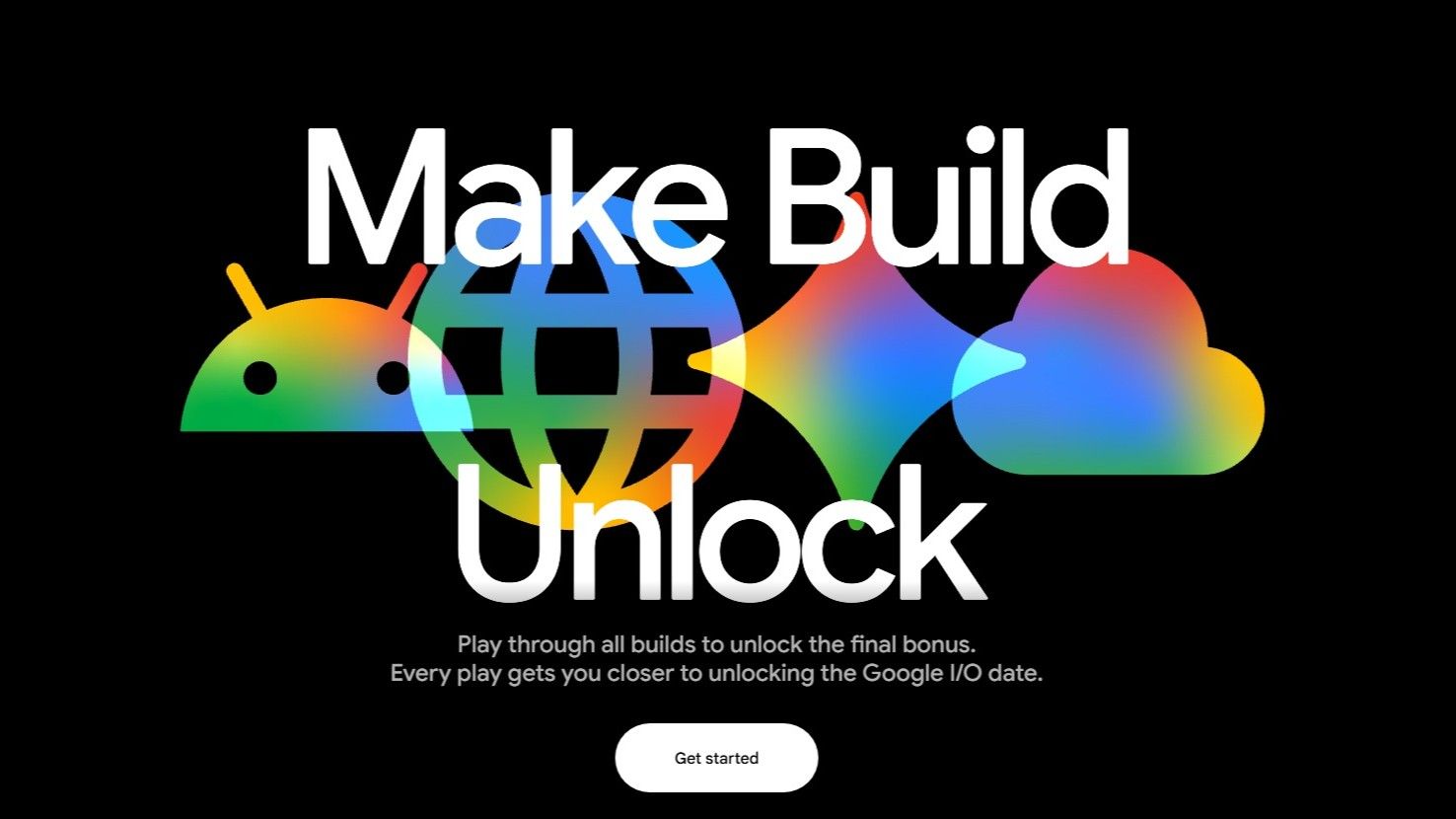
Google confirmed I/O 2026 for May 19-20 at Shoreline Amphitheatre and published an interactive teaser that uses five puzzle games (Hole in One, Nonogram, Word Wheel, Supersonic Bot, Stretchy Cat) that integrate its Gemini 3 AI to reveal the event date. The heavy emphasis on Gemini 3 and new 'Remix' features underscores Alphabet’s push to spotlight AI across consumer products and developer tooling; this is strategically relevant for product differentiation but is unlikely to have immediate material impact on Alphabet’s near-term financials, though major Pixel or AI product announcements at I/O could affect revenue trajectory longer term.
Market structure: Google (GOOGL/GOOG) is the clear direct beneficiary — Gemini 3 positioning at I/O strengthens Google Cloud’s product differentiation and Android/device vertical integration, likely improving enterprise AI win-rate and allowing mid-single-digit price/mix improvements in Cloud AI ARR over 12 months. Chip/infra suppliers (NVDA, AMZN infra services) are secondary beneficiaries from higher demand for model training and inference. Incumbent LLM pure-plays and ad-dependent social platforms may face tighter margins and slower growth as Google bundles AI into existing stacks.
Risk assessment: Tail risks include a major model failure, large data/privacy breach, or intensified antitrust/regulatory action (EU/US) that could impose fines or restrict model monetization — these are low-probability but >20% P&L shock scenarios for equity holders. Immediate (days) effects are hype-driven volatility; short-term (weeks/months) depends on demos/contracts announced at I/O; long-term (quarters/years) depends on monetization cadence and infrastructure spend. Hidden dependencies: GPU supply, enterprise sales cycles, and AI governance rules; catalysts include I/O demos, Q2 enterprise deal announcements, and EU/US regulatory filings.
Trade implications: Tactical: establish a modest 1–3% long position in GOOGL ahead of I/O (target +10–15% upside over 3 months) and complement with a 3-month 5–10% OTM call spread to cap downside; add 1–2% NVDA exposure for chip-led upside over 6–18 months. Pair trade: long GOOGL vs short META (Facebook) to express enterprise/cloud share pickup — size 1:1 with 1% notional each. Time entry now through early May; trim 1–2 weeks post-I/O or on +15% move.
Contrarian angles: Consensus overweights the PR lift; markets may underprice regulatory and monetization friction — I/O demos historically produce buy-the-rumor sell-the-news (examples: 2016/2018 product pushes). If implied vol on GOOGL rises >20% vs its 90-day average into I/O, prefer buying spreads (de-risked longs) or selling premium post-event. Watch enterprise contract announcements and EU AI Act language as binary triggers that could reverse the thesis.
AI-powered research, real-time alerts, and portfolio analytics for institutional investors.
Request DemoOverall Sentiment
mildly positive
Sentiment Score
0.28
Ticker Sentiment
