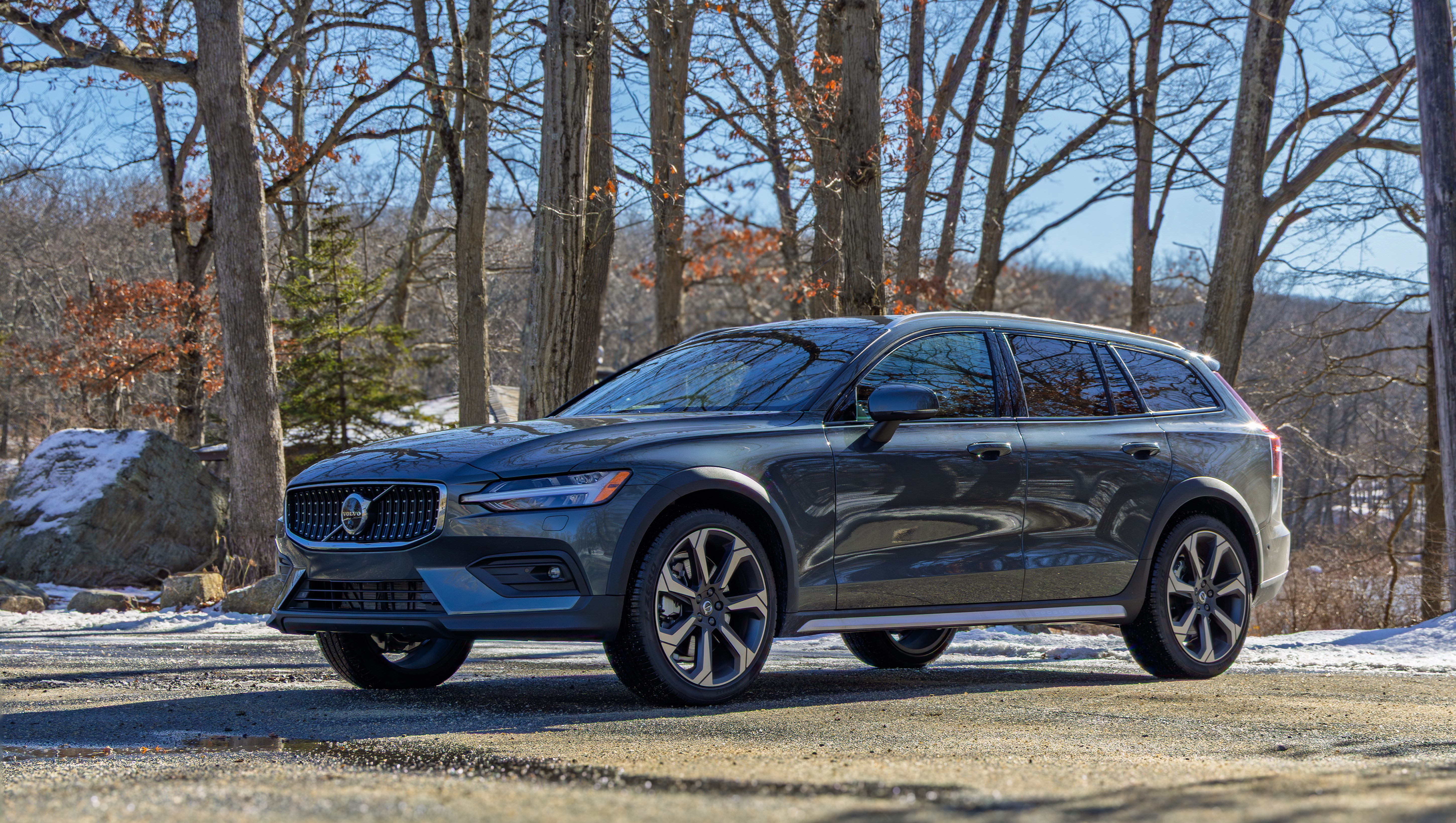
Volvo Cars is marking 70 years in the U.S. with operational and product moves that underline its U.S. commitment: the XC60 will be assembled at its Ridgeville, SC campus alongside a new next‑generation hybrid targeted at U.S. buyers, and the company sold its 5,000,000th U.S. car. The group reported record 2024 results—core operating profit SEK 27 billion, revenue SEK 400.2 billion and global sales of 763,389—and reiterated its EV and sustainability ambitions (net‑zero by 2040) while announcing the V60 Cross Country will cease U.S. orders in Jan 2026 with production ending April 2026. These developments are positive for Volvo’s operational positioning and U.S. demand exposure but are incremental rather than market‑moving for equity investors.
Market structure: Volvo localizing XC60 and a US-specific hybrid signals rising share and margin tailwinds for Volvo Cars (VOLCAR B) in the US SUV market; suppliers and US plants benefit (higher content per vehicle, lower logistics/tariff drag) while niche wagon specialists and import-dependent OEMs face relative pressure. Expect a modest pricing power improvement for Volvo on mid-size SUVs (3–5% gross-margin lift potential over 12–24 months) as mix shifts to higher-margin, locally produced models.
Risk assessment: Near-term (days–weeks) market moves are likely muted; short-term (3–9 months) risks include battery supply constraints (China-sourced cells), US labor/union disruptions at SC, and potential recall/software costs — each could erase >100–300bps margin. Tail risks: US policy swings on EV incentives or tariffs, or a major battery/capacity shock, which could reduce volumes by >15% in a worst-case 12–18 month scenario. Hidden dependency: US assembly does not eliminate exposure to Chinese battery and semiconductor supply chains, so localization is partial not absolute.
Trade implications: Direct winners are Volvo (VOLCAR B) and US tier-1 suppliers with EV/hybrid content (MGA, APTV); beneficiaries should see 6–18 month operational upside as production ramps. Cross-asset: modest positive for industrial/metals (copper, nickel) over 12–36 months; limited sovereign FX effect, but SEK could modestly strengthen if VOLCAR B outperforms. Options: capped-call spreads on VOLCAR B can express upside while capping premium risk during the 6–12 month plant ramp.
Contrarian angles: Consensus treats US assembly as de-risking; market underestimates battery sourcing risk — Volvo can still be caught by cell shortages or input inflation, compressing any expected 3–5% margin gain. Historical parallel: localized assembly lifts near-term margins (e.g., Japanese automakers in 1980s) but only if supply-chain for high-value components follows — if it doesn’t, outperformance will be transitory. Catalysts to watch: Volvo supplier contracts, 1H/2H 2026 production targets, and US battery-sourcing announcements within next 90 days.
AI-powered research, real-time alerts, and portfolio analytics for institutional investors.
Request DemoOverall Sentiment
mildly positive
Sentiment Score
0.35
