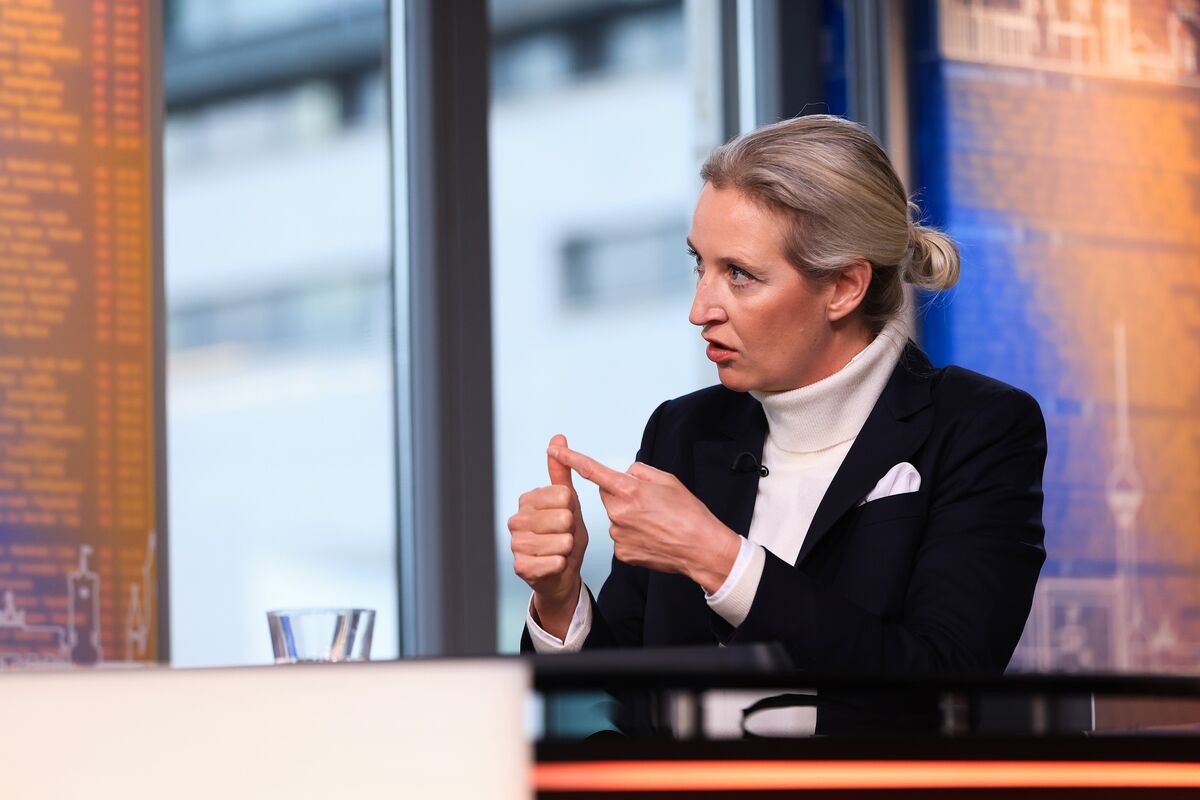
The European Union and the United States have finalized a trade agreement where the EU accepted a 15% tariff on most of its exports, while U.S. goods entering the bloc will face tariffs dropping below 1%. This asymmetric deal is drawing significant criticism from Europe's nationalist parties and even some mainstream politicians, despite EU trade chief Maros Sefcovic asserting it was "the best deal we could get under very difficult circumstances," highlighting the political challenges to its acceptance and implementation.
A new trade agreement between the European Union and the United States establishes highly asymmetric terms, imposing a 15% tariff on the majority of EU exports while reducing tariffs on US goods entering the bloc to below 1%. This tariff differential creates a significant cost disadvantage for European exporters and is already generating substantial political friction within Europe. The deal faces strong opposition from both nationalist parties and mainstream politicians, raising questions about its viability and ratification. The defensive justification from EU trade chief Maros Sefcovic, who called it "the best deal we could get under very difficult circumstances," underscores the EU's perceived weak negotiating position and signals that the path to implementation will be fraught with political challenges, contributing to a pessimistic outlook for affected European sectors.
AI-powered research, real-time alerts, and portfolio analytics for institutional investors.
Request DemoOverall Sentiment
moderately negative
Sentiment Score
-0.55
