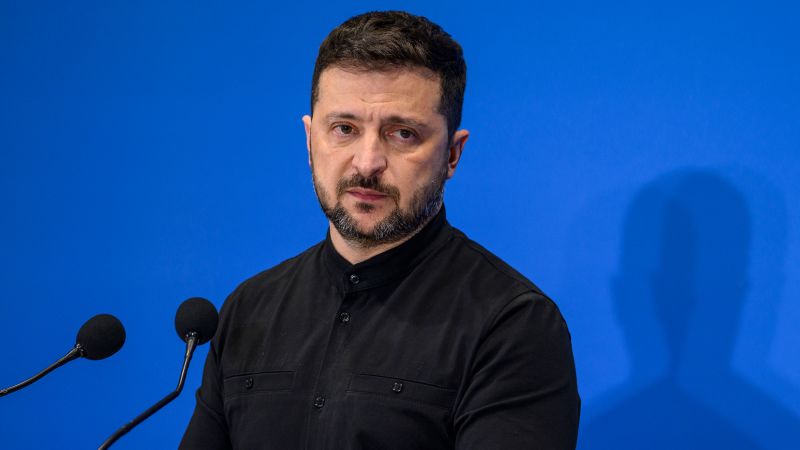
Ukrainian President Zelensky has called for high-level peace talks with Russia next week, seeking to advance ceasefire negotiations amid escalating US pressure. This initiative follows former US President Donald Trump's ultimatum threatening severe tariffs on Russian goods and their trading partners if a ceasefire is not achieved within 50 days. While Russia confirmed receipt of the proposal and expressed readiness to engage, it reiterated its commitment to achieving its strategic objectives, and analysts remain skeptical that Trump's economic threats will deter Russia's ongoing military operations.
A renewed diplomatic push by Ukraine for high-level peace talks is introducing a complex dynamic into the ongoing conflict, set against a backdrop of escalating US economic pressure. Ukraine's call for a meeting next week to advance a ceasefire and address humanitarian issues like prisoner exchanges signals a proactive attempt to de-escalate. However, Russia's response, while expressing a readiness to "move quickly," is critically undermined by its insistence on achieving its own strategic "objectives"—the same maximalist posture that caused the swift collapse of talks in Istanbul. The primary external catalyst is former US President Trump's 50-day ultimatum, threatening "very severe tariffs" on Russia and, significantly, "secondary tariffs" on its trading partners. Despite this threat, sentiment among Western analysts and even the Russian Foreign Minister remains highly skeptical, with Sergey Lavrov dismissing the ultimatum as bluster. This skepticism suggests that the market may be heavily discounting the likelihood of a near-term resolution, viewing the diplomatic overtures as fragile and the US threats as potentially lacking credible enforcement, thereby maintaining a cautious and moderately negative outlook on the geopolitical situation.
AI-powered research, real-time alerts, and portfolio analytics for institutional investors.
Request DemoOverall Sentiment
moderately negative
Sentiment Score
-0.35
