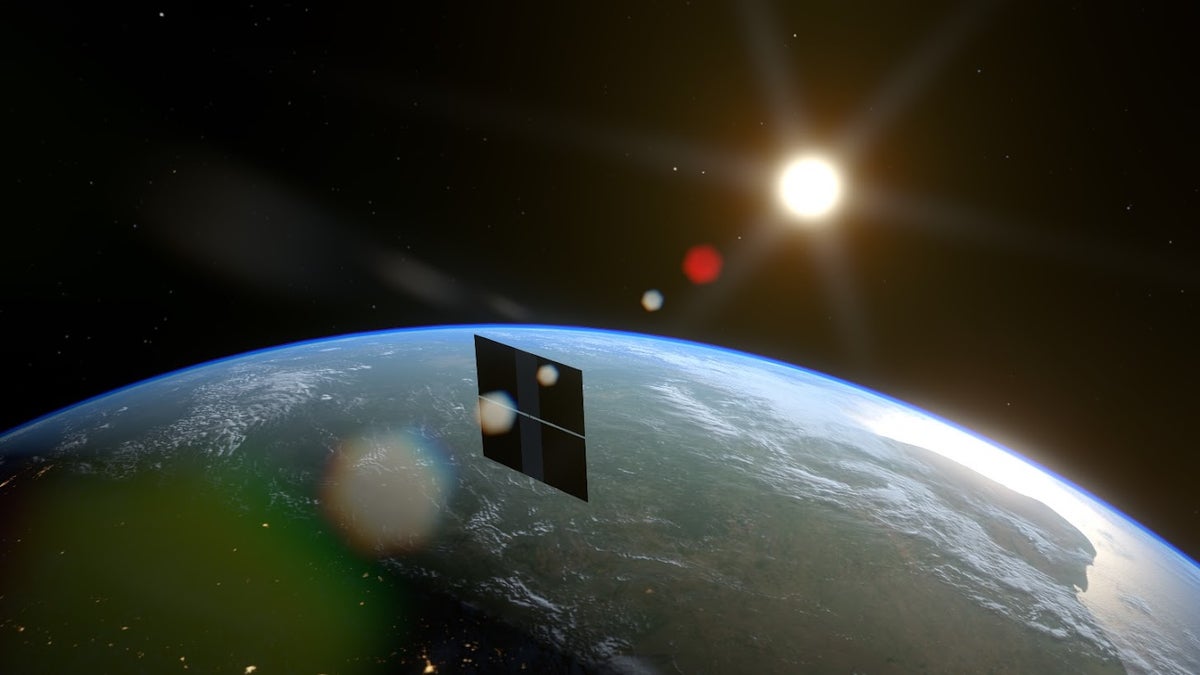
Faced with surging AI-driven electricity demand—data centers could supply nearly half of U.S. power-demand growth to 2030 and global needs may double by decade’s end—Big Tech and startups are pitching orbital data centers that exploit near-constant sunlight (Google’s Project Suncatcher with a 2027 demo, Starcloud’s H100 payload and a projected 5 GW need by 2035, plus Chinese and EU initiatives). Proponents cite continuous solar and potential carbon advantages, but hard engineering challenges (radiation shielding, large radiators, five–six year chip replacements) and economics are stiff: Google’s team says launch costs must fall below ~$200/kg by 2035 and many launches would still be required. Independent research warns lifecycle emissions from launches and reentries could be an order of magnitude higher than terrestrial sites and raise ozone, debris and astronomy-interference concerns, creating regulatory and reputational risk. For investors, the concept remains speculative—viability hinges on sustained reductions in launch costs and resolution of environmental and policy externalities that could materially alter the total-cost and ESG calculus for large-scale off‑planet computing.
Data-center electricity demand is set to surge as AI scales: the article cites data centers could account for nearly half of U.S. electricity-demand growth through 2030 and global power requirements may double by the end of the decade, prompting Blue‑Chip and startup efforts to explore orbital solutions. High-profile initiatives include Google’s Project Suncatcher with a 2027 demonstration target and Starcloud’s recent launch of a 60‑kilogram satellite carrying an NVIDIA H100 GPU as a precursor to a platform that the company says could require roughly 5 gigawatts by 2035; China and EU programs are pursuing analogous concepts.
Proponents argue near-constant sunlight in sun-synchronous orbits and continuous solar generation offer a carbon-efficiency edge, but engineering and lifecycle economics are material constraints: radiation shielding, large radiators for heat rejection, regular chip replacements every five to six years, and the need for “very large” numbers of launches. Google’s team estimates liftoff costs must fall below approximately $200 per kilogram by 2035 for the concept to be economically plausible, even with reusable rockets lowering prices.
Independent research and stakeholders flag countervailing risks that could restrain deployment: a Saarland University study estimates lifecycle emissions could be an order of magnitude higher than terrestrial data centers once launch and reentry are included, with additional harms to ozone and increased orbital debris that concern astronomers and regulators. The proposal remains speculative; viability hinges on sustained launch-cost deflation, credible lifecycle-emissions reductions, and regulatory acceptance, all of which create execution and ESG risk for investors considering exposure to this theme.
AI-powered research, real-time alerts, and portfolio analytics for institutional investors.
Request DemoOverall Sentiment
mixed
Sentiment Score
-0.10
Ticker Sentiment
