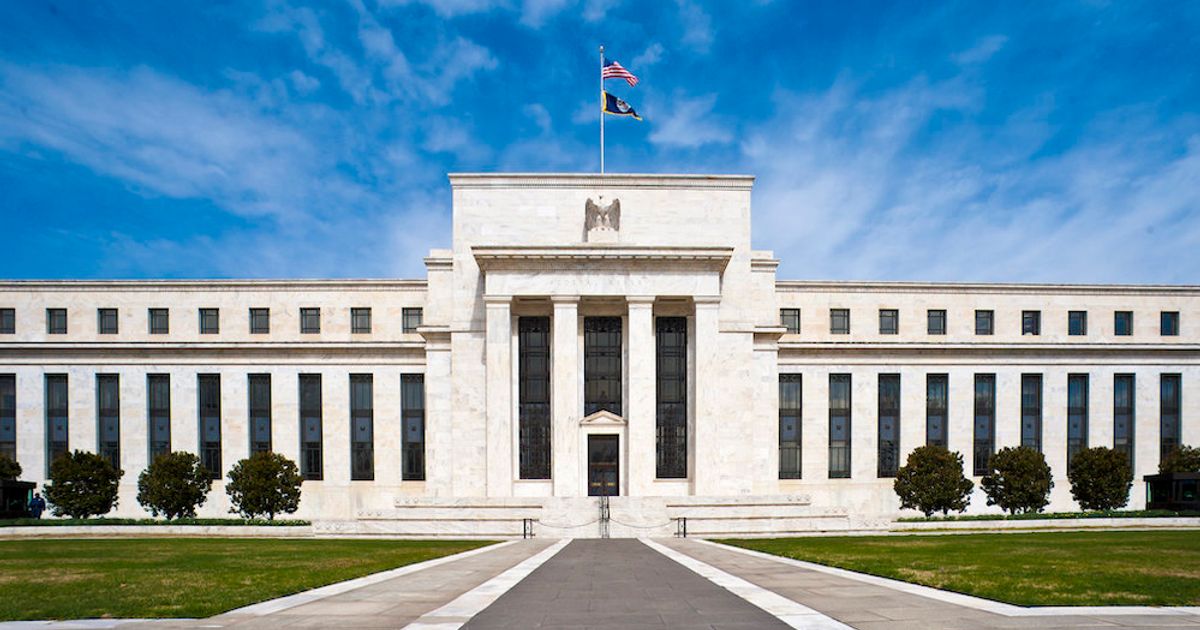
U.S. stock futures opened sharply lower with Nasdaq leading the retreat (futures down ~0.6%) after a weak week for Big Tech despite Apple’s pre-market lift from record iPhone sales and continued concerns over Microsoft’s cloud growth. President Trump confirmed Kevin Warsh as his Fed Chair pick, a nomination seen as relatively hawkish and focused on shrinking the Fed balance sheet and AI-driven disinflation, which has pushed longer-term yields higher and pressured precious metals. A bipartisan deal has averted an imminent U.S. government shutdown, removing a key political overhang, while investors now pivot to upcoming earnings from energy majors Exxon and Chevron for indicators on the oil complex.
Market structure: Warsh’s nomination and the renewed hawkish tilt are immediate positives for banks and short-rate-sensitive financials (benefit from wider net interest margins) and negative for long-duration growth assets; expect Nasdaq-sensitive names (NDAQ exposure and MSFT) to underperform while cyclicals/energy (CVX) and select hardware/consumer tech (AAPL) hold up. Rising long-term yields signal re-priced term premium — lower speculative flows into gold/silver and higher funding costs for high-PE growth firms will shift market share toward cash-flow-positive incumbents over 1–12 months.
Risk assessment: Tail risks include a policy messaging shock (Warsh signals faster balance-sheet runoff) that could push 10yr >25–50bp higher in 2–6 weeks, and a tech earnings cascade if MSFT-like results become common; conversely a premature promise of cuts would reverse moves. Near-term (days–weeks) volatility around earnings and confirmation/committee hearings is highest; medium-term (3–12 months) depends on actual Fed balance-sheet action and AI investment trajectories.
Trade implications: Tactical: short Nasdaq index futures or NDAQ for 1–3% position size if Nasdaq futures breach -1% pre-market, target 3–6% downside over 4–8 weeks, stop +2% adverse. Long ideas: accumulate AAPL (1–3% position) after earnings strength and initiate 2–4% long in CVX or XLE on energy demand certainty; hedge rates by shorting 10s via TLT inverse or buying 2s/10s steepener if 10y rises >20bp. Options: buy MSFT 4–8 week 5–7% OTM put spreads to limit cost, and sell near-dated call spreads on beaten tech names to finance puts.
Contrarian angles: Consensus underestimates that a “conventional” Fed chair reduces structural tail-risk and could re-attract carry into EM fixed income — consider selective EM local-duration exposure if 10y backs down >30bp. Tech pullbacks may be overdone for high-quality revenue-generators (AAPL) while NDAQ/exchange multiple compression could overshoot; beware that rapid yield re-pricing could tighten credit for leveraged AI growth plays, creating dislocations to exploit in 3–12 months.
AI-powered research, real-time alerts, and portfolio analytics for institutional investors.
Request DemoOverall Sentiment
moderately negative
Sentiment Score
-0.30
Ticker Sentiment
