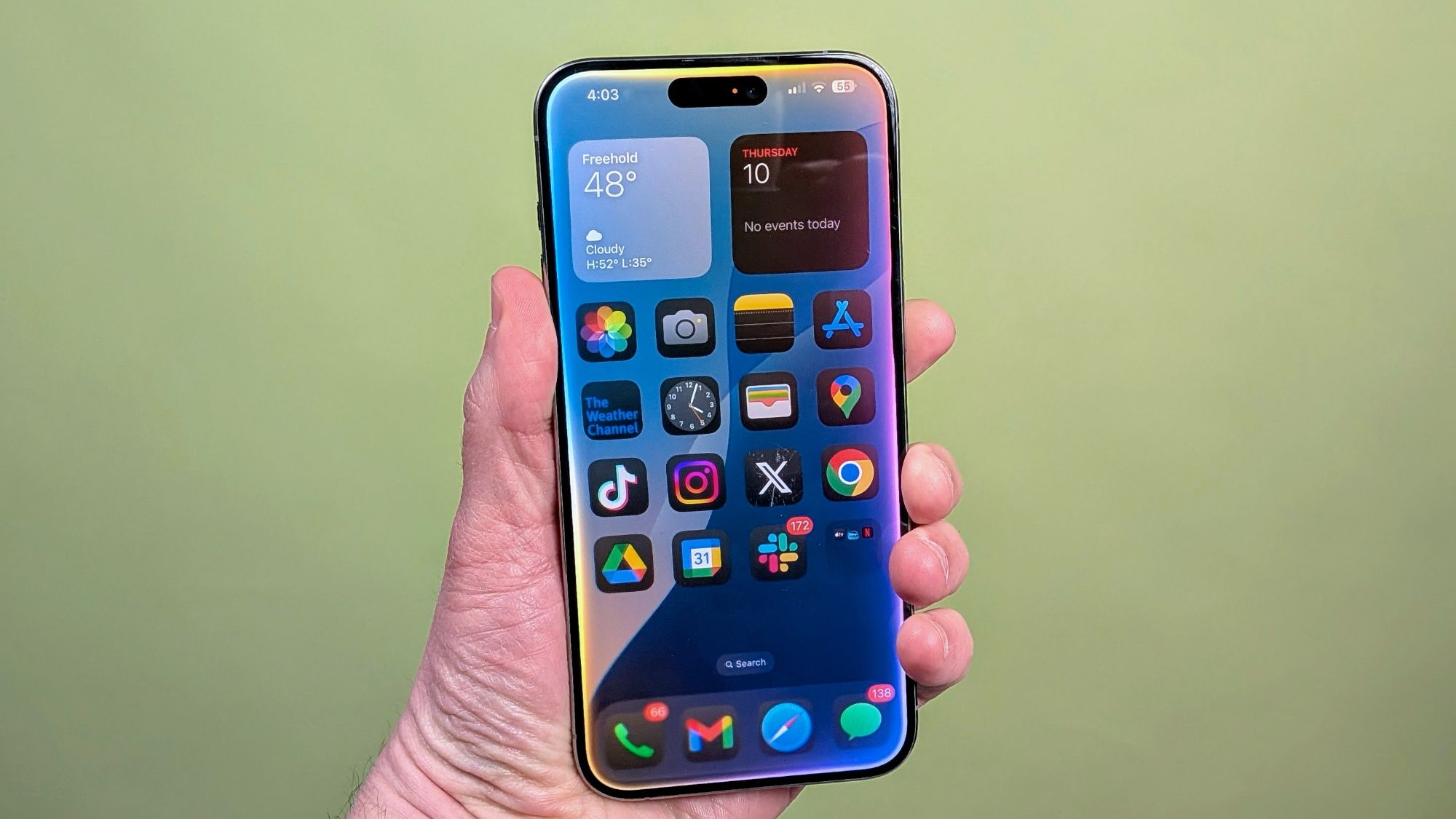
Apple plans to debut a major Siri overhaul in the iOS 26.4 developer beta on February 23, introducing on-device AI features that let Siri access and act on messages, calendar entries and photos with context-sensitive queries; broader chatbot-style functionality is deferred to iOS 27. The update leverages Google’s Gemini model as the basis for Apple Intelligence, narrowing a capability gap with Google and third-party AI apps, while the public stable rollout of iOS 26.4 is expected by late March or April — a timeline investors should monitor for potential impacts on iPhone user experience and competitive positioning.
Market Structure: Apple’s Siri refresh materially improves product stickiness but is more defensive for AAPL’s hardware moat; the clear near-term winner is Alphabet (GOOGL/GOOG) because Gemini licensing into iOS meaningfully increases model distribution and raises odds of Google Cloud AI demand. Conservatively, successful integration could translate into a 2–5% revenue tail for Google over 12–24 months via cloud and search-adjacent monetization, while Apple sees marginal ARPU uplift in services over the same window.
Risk Assessment: Tail risks include antitrust scrutiny (EU/US) of a Google-Apple tie-up, privacy/regulatory fines if model access breaches data protections, and operational rollout failures (high-profile hallucinations) that could depress adoption for 3–6 months. Immediate (days) market moves likely muted around the Feb 23 dev beta; short-term (weeks–months) sentiment will track beta feedback and press; long-term (quarters) depends on adoption metrics, licensing economics, and ad-revenue impact.
Trade Implications: Favor asymmetric exposure to Google: buy directional equity or call spreads (6–12 month) sized to 1–3% notional; underweight or hedge AAPL until public stable rollout and adoption >30% within 90 days. Use a relative-value pair (long GOOGL, short AAPL) to capture differential monetization; consider selling small-term AAPL volatility after the beta announcement if IV spikes.
Contrarian Angles: Consensus underrates execution and licensing friction — Apple could later internalize models or demand favorable economics, capping Google upside; conversely the market may underappreciate Apple’s services monetization from on-device AI over 12–24 months. Historic parallels (MSFT+OpenAI) show distribution partnerships can take 6–18 months to convert to EBITDA; watch adoption and revenue conversion rates before committing size.
AI-powered research, real-time alerts, and portfolio analytics for institutional investors.
Request DemoOverall Sentiment
mildly positive
Sentiment Score
0.25
Ticker Sentiment
