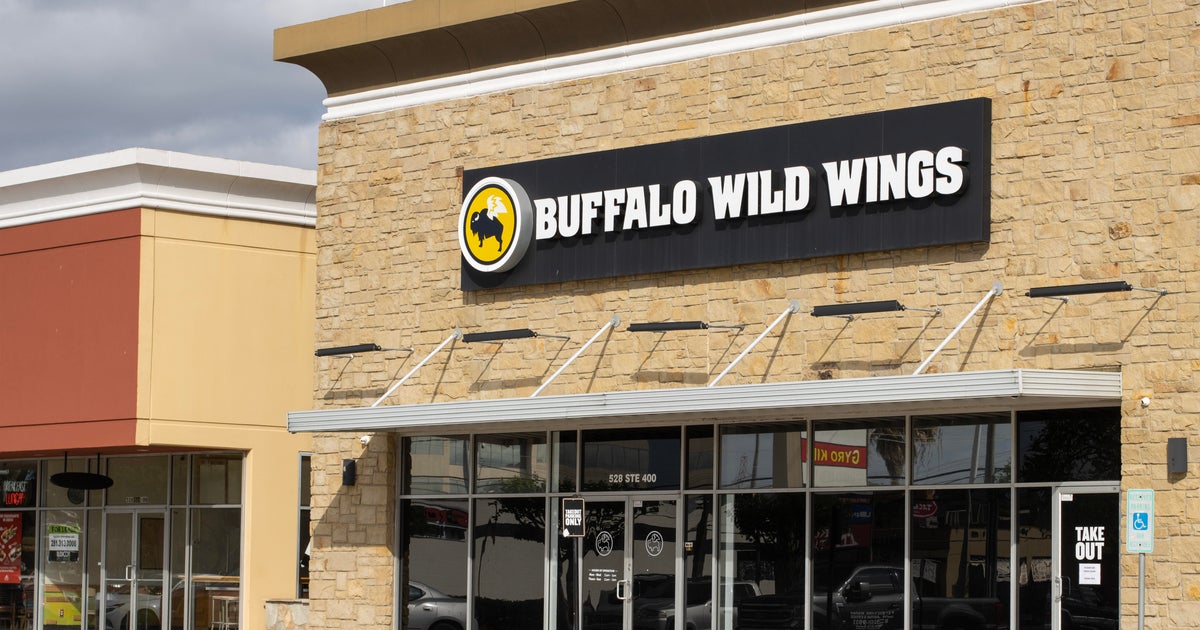
A federal judge in the Northern District of Illinois rejected a 2023 consumer suit by Aimen Halim alleging Buffalo Wild Wings' use of the term “boneless wings” was deceptive, finding the phrase a common, fanciful descriptor and not misleading to a reasonable consumer. Judge John Tharp Jr. noted industry context (e.g., cauliflower wings) and allowed Halim until March 20 to file an amended complaint. The decision reduces near-term legal risk and likely has minimal financial impact on Buffalo Wild Wings' operations or investor outlook.
Market structure: The court opinion materially lowers the legal overhang for chains that sell “boneless wings,” effectively removing a latent reputational/liability discount across wing-focused and casual-dining operators. Impact is idiosyncratic and small in absolute dollars (expect industry P&L lift <10 bps short-term), but it improves perceived operating leverage for niche franchises (e.g., Wingstop WING) by reducing expected legal reserves and negative PR volatility.
Risk assessment: Tail risk remains an appellate reversal or class-certification in another jurisdiction — low probability but high impact (multi-100s of millions industry-wide if a large chain is caught). Immediate effect: negligible (days); short-term (weeks–months): watch related filings and appeals; long-term (quarters–years): precedent stabilizes menu-label litigation frequency and insurer pricing for D&O/GL policies.
Trade implications: Tactical and relative-value plays favor pure-play wing/fast-casual franchises and short volatility on their implieds. Expect a 3–12% relative outperformance window for winners if comps reaccelerate by +2–4% next quarter; use cash-secured put spreads to harvest premium rather than naked directional risk. Avoid concentrated long exposure to small caps with active consumer-deception suits until dockets clear.
Contrarian angles: Consensus treats this as trivia; it is underpriced tail-risk reduction for franchisors with narrow product categories — benefits are non-linear for market-cap below $5bn where legal reserve swings matter more to EPS. Monitor 60-day docket activity and state AG inquiries; a cluster of adverse rulings in other circuits would quickly reverse the trade.
AI-powered research, real-time alerts, and portfolio analytics for institutional investors.
Request DemoOverall Sentiment
neutral
Sentiment Score
0.10
