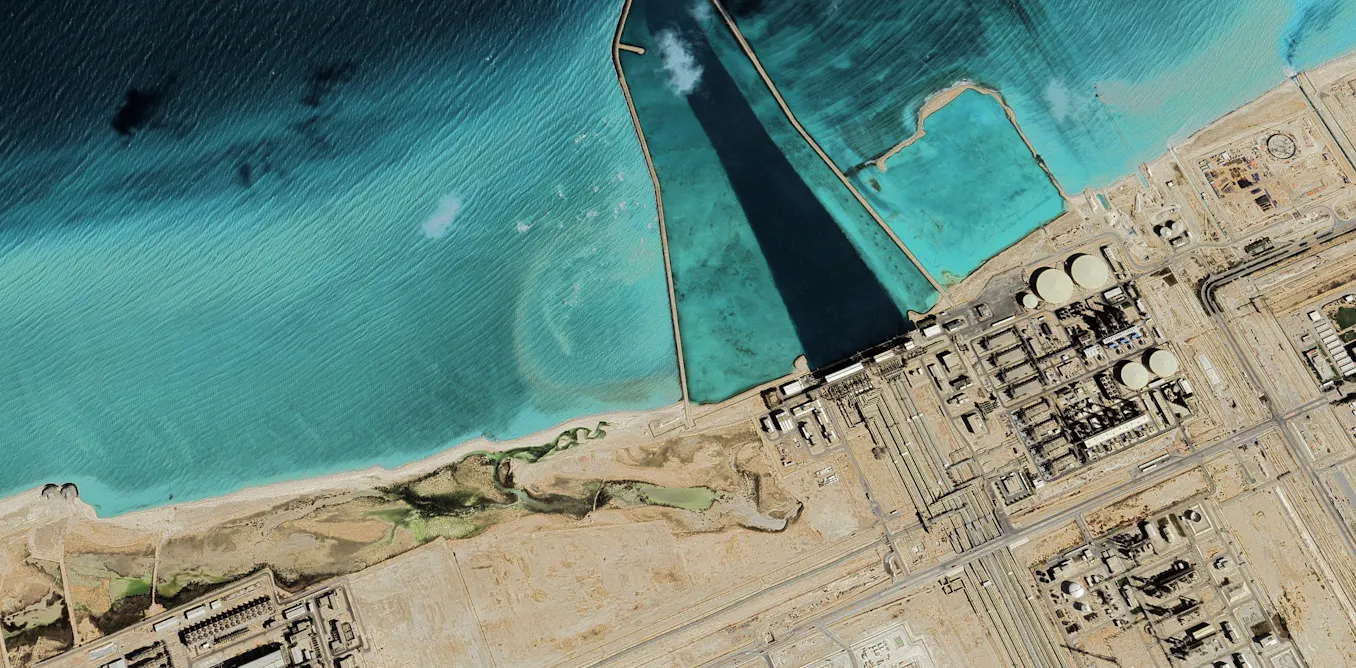
Ras Laffan, the world's largest LNG terminal (supplying roughly one-fifth of global LNG), was struck on March 19 causing substantial damage and impacting about 17% of Qatar's LNG infrastructure. QatarEnergy warned it may declare force majeure on long-term contracts, potentially affecting supplies to Italy, Belgium, Korea and China “for up to five years.” Repairs will take years given the complexity of LNG liquefaction, storage and transport, so the shortfall is structural; European benchmark Dutch TTF has more than doubled since mid-January and global gas prices are likely to remain elevated as cargoes go to the highest bidder, with some nations reverting to coal.
Global LNG flows are now governed more by chokepoints in capital goods and specialist labor (cryogenic heat exchangers, 50m+ exchangers, bespoke alloys, heavy compressors) than by raw hydrocarbon geology; that raises incremental margins for equipment and ship owners more than for commodity producers. Expect charter rates for LNG carriers and margins for fabricators to move up sharply as spot cargo re-routing creates persistent imbalances; a 20–40% capacity shock to available loaded cargoes can lift time-charter equivalent (TCE) rates several-fold given historically inelastic ship supply.
Second-order demand shifts will amplify winners and losers: higher gas prices will push marginal Asian buyers toward coal and local fuel-switching where grid/regulatory leeway exists, sustaining thermal coal demand for 6–24 months and widening spark/dark spread arbitrage across Europe and South Asia. Conversely, gas-intensive industrials (fertilizer, petrochemicals) face margin compression and potential curtailments, creating operational risk for names with high feedstock exposure.
Key catalysts to watch are repair milestones (module deliveries, commissioning tests) that resolve within quarters versus geostrategic outcomes that play out over years; a measured five-quarter to five-year repair window is plausible and creates asymmetric option value for longer-dated positions. Tail risks that could reverse the rally include rapid US cargo reallocation (new trains and idle liquefaction capacity), diplomatic de-escalation unlocking regional labor/equipment access, or demand destruction from an economic slowdown—any of which could remove the pricing premium within 3–9 months.
AI-powered research, real-time alerts, and portfolio analytics for institutional investors.
Request DemoOverall Sentiment
strongly negative
Sentiment Score
-0.70
