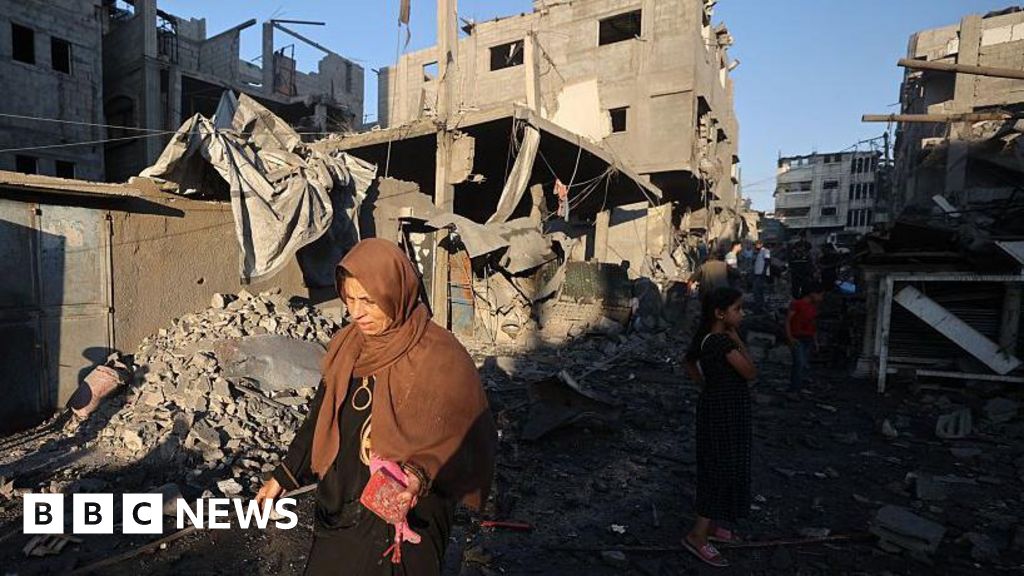
US and Israeli negotiators have withdrawn from Gaza ceasefire talks in Doha, with the US accusing Hamas of not acting in good faith and lacking a desire for a truce. This move, despite a senior Israeli official suggesting no complete collapse and a potential return, prompts the US to consider "alternative options" for hostage release and Gaza stability. The development signifies a significant setback in mediation efforts, highlighting persistent wide gaps between the parties.
The withdrawal of US and Israeli negotiators from ceasefire talks in Doha marks a significant setback for diplomatic efforts to resolve the conflict in Gaza. The US has explicitly placed the blame on Hamas, citing a "lack of desire to reach a ceasefire" and is now publicly considering "alternative options" to secure hostage releases, indicating a potential strategic pivot. This development prolongs the conflict and elevates geopolitical risk in the Middle East, a sentiment reflected in the strongly negative sentiment score (-0.7) and moderate-to-high market impact score (0.6). While a senior Israeli official's statement that there is "no collapse" in negotiations injects a degree of ambiguity, the immediate outlook is pessimistic as wide gaps between the parties persist. The breakdown occurs against a backdrop of a severe and worsening humanitarian crisis, with the UN reporting acute child malnutrition and over 1,000 Palestinian deaths during aid-seeking efforts, which could increase international pressure and introduce further volatility to the region.
AI-powered research, real-time alerts, and portfolio analytics for institutional investors.
Request DemoOverall Sentiment
strongly negative
Sentiment Score
-0.70
