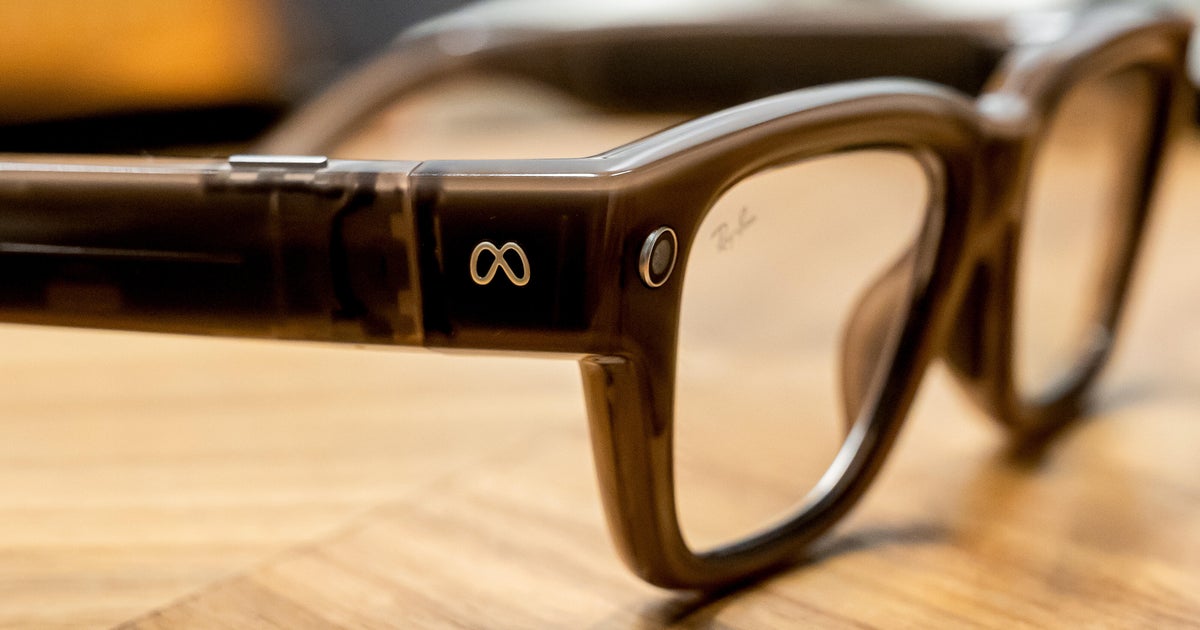
Alibaba has begun selling Quark AI Glasses in China for 3,799 yuan (~$537), integrating its Qwen AI app for tasks from internet search and meeting transcription to Taobao product price lookups via a built-in camera. The launch comes amid a broader industry push—Meta (with Oakley and Ray-Ban) and Xiaomi among others—positioning AI as the consumer 'killer app' for eyewear; IDC forecasts global smart-glasses sales rising from 9.4 million this year to nearly 20 million by 2029, and Forrester reports U.S. trial rates rising to roughly 17% from 4% in 2024. Persistent privacy and legal concerns over recording and data capture temper the market opportunity despite rising adoption and competitive product rollouts.
Market structure: Winners are AI platform owners that control data+commerce (META, BABA) and chip suppliers (QCOM, SONY image sensors) because hardware will be commoditized and value accrues to services; losers are legacy consumer-AR plays without AI ecosystems (GOOGL historically) and pure smartphone replacement narratives. IDC’s 9.4M→20M units by 2029 implies ~20–22% CAGR, signaling durable demand but still niche penetration — pricing power will shift to platforms bundling payments/commerce.
Risk assessment: Key tail risks are rapid privacy regulation (EU/US/China bans or opt-in constraints within 6–18 months) and product liability/credential fraud that could curtail consumer demand; China-specific regulatory shocks remain a 12–24 month threat to BABA. Short-term (days–weeks) price moves will be news-driven; medium-term (3–12 months) depends on holiday sales cadence and supply-chain constraints (camera/low-power AI chips); long-term (2–5 years) outcomes hinge on network effects and ad/commerce monetization.
Trade implications: Tactical bets favor platform exposure via equity and concentrated option structures: overweight META and selected chip suppliers; hedge China exposure for BABA with puts or smaller notional. Consider pair trades (long META / short GOOGL) to neutralize market beta; expect implied vol to rise around product launches — use 3–9 month call spreads to express convex upside while limiting premium decay.
Contrarian angles: Consensus assumes rapid mainstream adoption; history (Google Glass) suggests consumer resistance and regulation could cap consumer AR to <10% active users by 2029, shifting growth to enterprise AR and accessibility applications. That implies discount hardware revenue multiples by 40–60% and prefer platform/service owners and enterprise-facing suppliers over consumer hardware branded launches.
AI-powered research, real-time alerts, and portfolio analytics for institutional investors.
Request DemoOverall Sentiment
mildly positive
Sentiment Score
0.25
Ticker Sentiment
