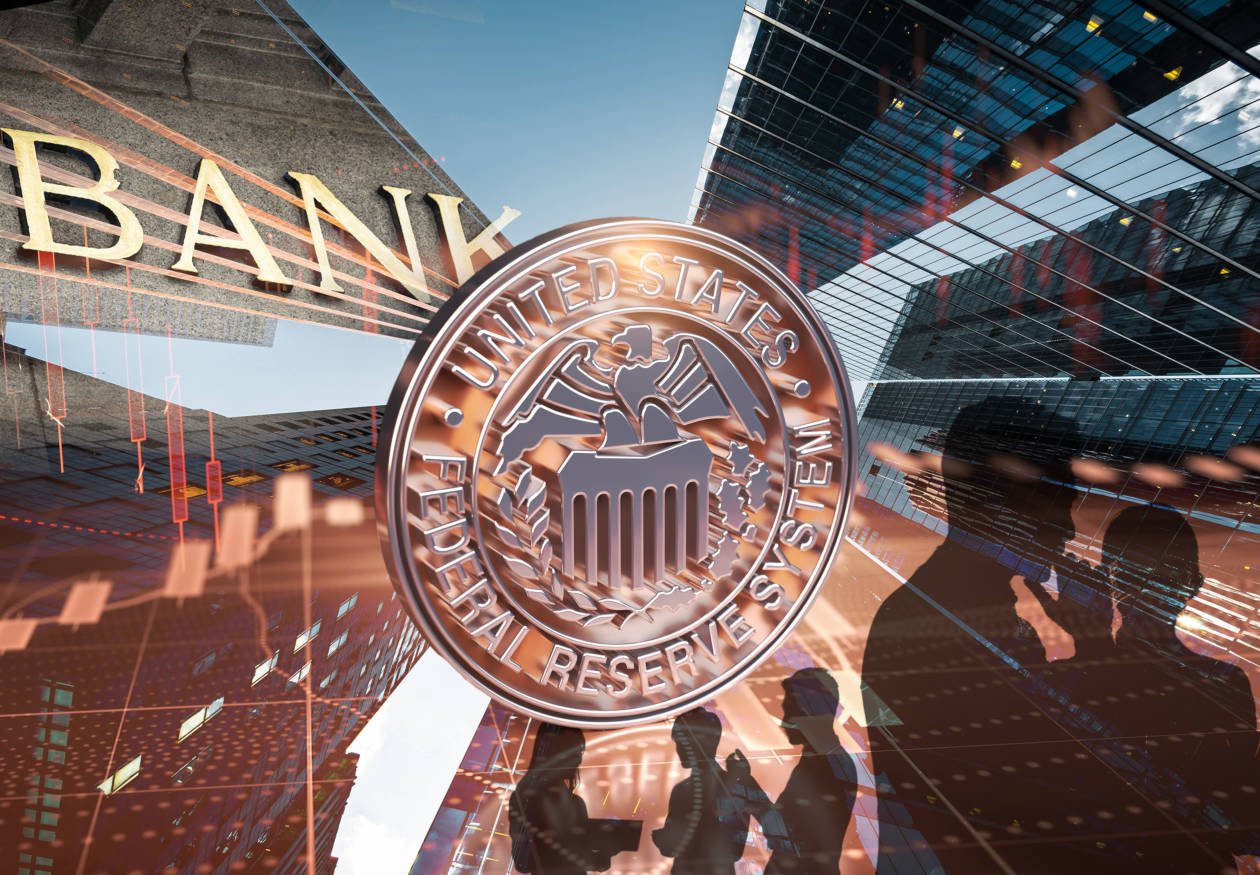
U.S. regulators, including the Federal Reserve, have proposed easing the enhanced supplementary leverage ratio (SLR) for the largest, systemically important banks, a move intended to stimulate stable, long-term demand for U.S. Treasurys. Championed by Treasury Secretary Scott Bessent, this deregulation aims to incentivize banks to significantly increase their government debt holdings, potentially stabilizing the bond market amidst growing deficits and concerns over future auction demand. However, the proposal faces skepticism regarding its effectiveness in fully offsetting future supply and has drawn warnings from some, including Fed Governor Michael Barr, about significant reductions in bank capital and increased systemic risk.
U.S. regulators have proposed easing the enhanced supplementary leverage ratio (SLR) for the nation's eight largest banks, a move aimed at creating stable, long-term demand for U.S. Treasurys. This proposal, a central part of Treasury Secretary Scott Bessent's strategy, intends to address concerns about absorbing future government debt, particularly with the U.S. deficit projected to grow by nearly $2.8 trillion between 2025 and 2034. By lowering the SLR from its current 5% level for these Global Systemically Important Banks (GSIBs), regulators hope to incentivize them to increase Treasury holdings, thereby potentially stabilizing long-term yields. However, the proposal faces significant dissent and skepticism. Fed Governor Michael Barr issued a stark warning that the changes would reduce bank-level capital by $210 billion and "significantly increase the risk that a GSIB bank would fail." Furthermore, market strategists question the efficacy of the reform, suggesting it is not a "silver bullet" and that banks may not increase holdings unless they anticipate a decline in long-end rates. While the measure is expected to generate some new demand, one analyst noted it alone "isn't going to be enough to offset the supply we're expecting to see," reflecting the mixed outlook on the proposal's ultimate market impact.
AI-powered research, real-time alerts, and portfolio analytics for institutional investors.
Overall Sentiment
Mixed
Sentiment Score
0.00
Ticker Sentiment
