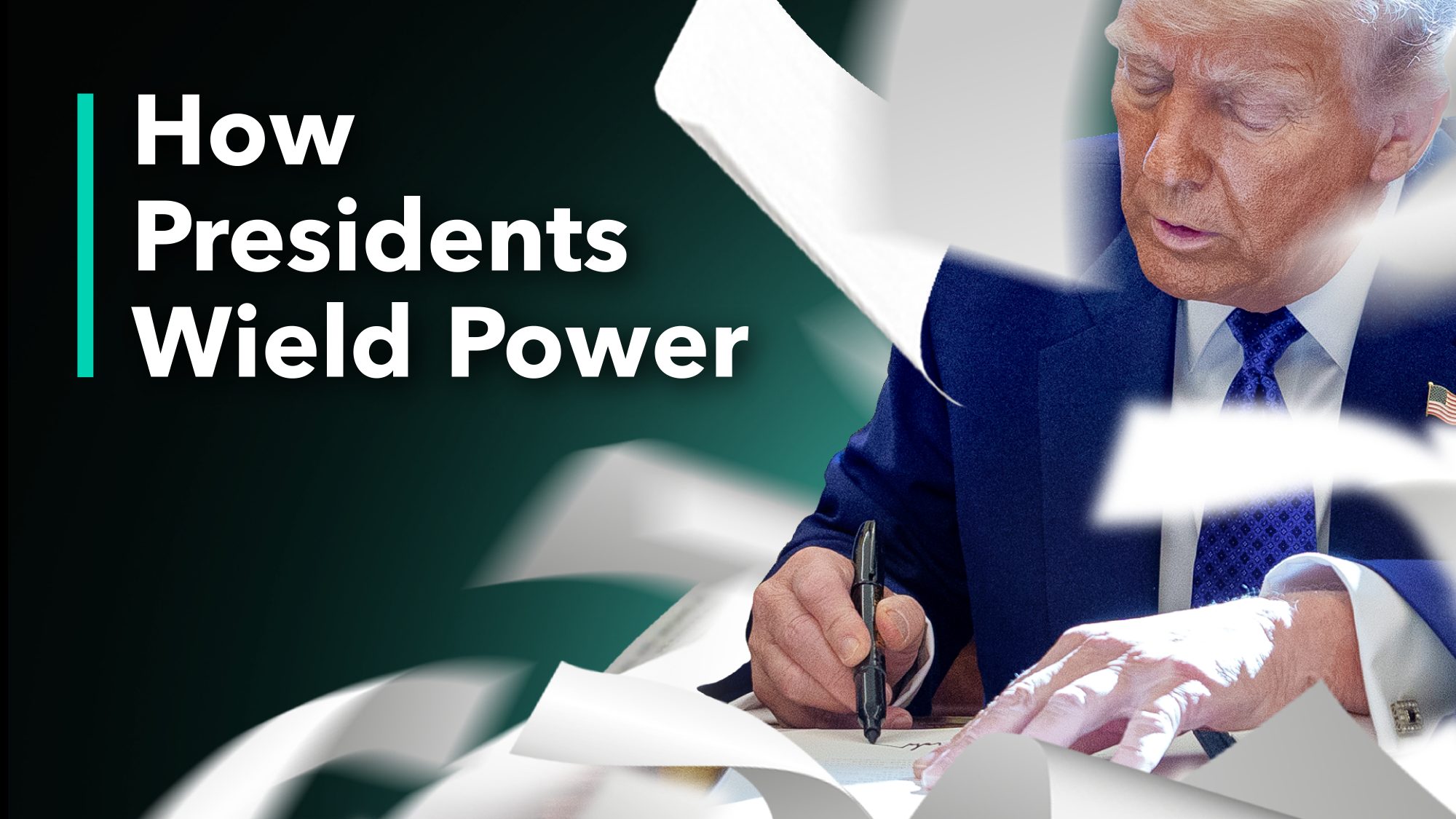
President Trump's notably aggressive utilization of executive orders, a long-standing presidential tool, has frequently prompted legal challenges and judicial intervention. This approach has intensified scrutiny regarding the scope and legal authority of such directives, marking a significant departure from historical precedent.
The article highlights a significant increase in regulatory and policy uncertainty stemming from the Trump administration's aggressive use of executive orders. This approach, described as a departure from historical precedent, has frequently led to legal challenges and judicial intervention, questioning the durability and legal authority of such directives. While no specific companies are mentioned, the identified themes of "Regulation & Legislation" and "Legal & Litigation" underscore a heightened political risk environment. For investors, this implies that policies affecting entire sectors can be implemented or reversed abruptly through executive or judicial action, creating a volatile and unpredictable landscape for industries heavily reliant on stable federal policy. The neutral sentiment and zero market impact score suggest this is a structural, background risk factor rather than an acute, market-moving event.
AI-powered research, real-time alerts, and portfolio analytics for institutional investors.
Request DemoOverall Sentiment
neutral
Sentiment Score
0.00
