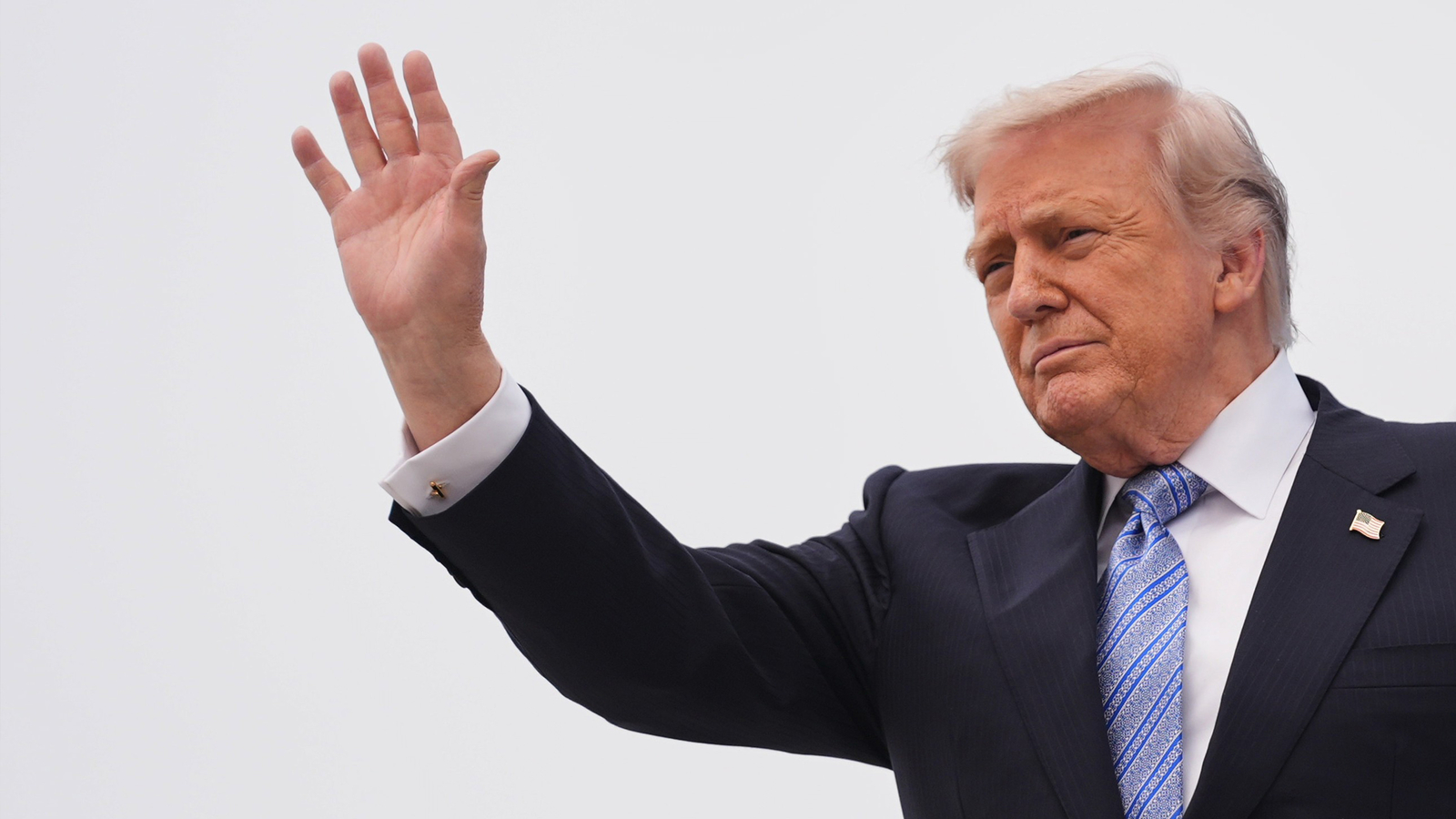
President Trump is expected to meet top national security advisers Tuesday to discuss next steps on Iran, including the potential for new military action. The weekend strategy session included Vice President JD Vance, Secretary of State Marco Rubio, CIA Director John Ratcliffe and Special Envoy Steve Witkoff. The headline raises geopolitical risk and could support defense stocks while pressuring risk assets if escalation appears likely.
The setup is less about an immediate battlefield move and more about a regime shift in tail-risk pricing. Even a credible path to escalation raises the probability of shipping disruption, missile-defense replenishment, and Gulf infrastructure hardening, which tends to benefit defense primes, integrated energy, and niche defense-electronics suppliers before any shots are fired. The first-order move is usually in crude and defense; the second-order move is in logistics, air-defense, cyber, and any business with heavy exposure to Middle East throughput or insurance costs.
The market may be underappreciating how quickly this can leak into domestic politics. A sharper energy spike would feed inflation expectations within days, but the more important effect over weeks is forcing policymakers and allies into hedging behavior: strategic petroleum reserve signaling, security guarantees, and accelerated procurement. That argues for a duration-sensitive trade rather than a simple binary event bet; if rhetoric de-escalates, the unwind can be fast, but if the meeting produces credible deterrence posture, the premium can persist for months.
Consensus likely overweights a short, headline-driven spike and underweights supply-chain second order effects. The vulnerable names are airlines, transport, and industrials with high bunker/fuel exposure; the beneficiaries are defense contractors with near-term munitions demand and energy names with Gulf optionality. The contrarian angle is that any overt military signaling could actually reduce realized conflict probability if it restores deterrence, so front-end volatility may be a better expression than outright directional exposure.
AI-powered research, real-time alerts, and portfolio analytics for institutional investors.
Request DemoOverall Sentiment
mildly negative
Sentiment Score
-0.20
