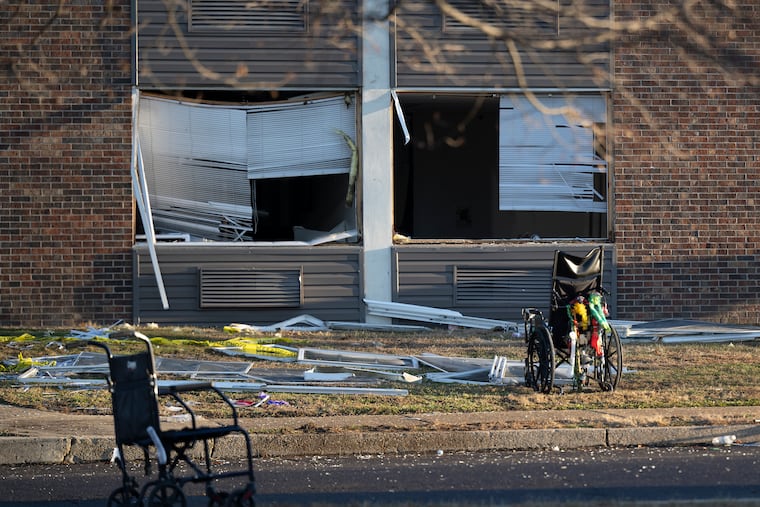
Two gas explosions at the 174-bed Bristol Health & Rehab Center in Bucks County killed two people and hospitalized 19, prompting an NTSB-led investigation that will scrutinize Peco and the nursing-home operator Saber Healthcare Group, which took over the facility on Dec. 1. Regulators and lawyers note prior code violations and more than $418,000 in fines against the previous operator, CommuniCare, while Peco acknowledged 742 miles of substandard lines statewide and plans roughly $6 billion of investment and phased replacements through 2035; questions include a basement gas meter that appears to contravene a 2011 PUC order and inconsistent timelines from Peco about crew response. The incident raises potential material legal, regulatory and reputational risk for the operator and the utility, with possible increased scrutiny, liability exposure and implications for utility capex/regulatory reviews.
Market structure: Losses cluster around local skilled‑nursing operators and niche healthcare REITs (e.g., SBRA, WELL exposure to SNF assets) from litigation, evacuations and reputational risk; regulated utility Exelon (PECO affiliate, EXC) faces near‑term headline risk but may see ratebase expansion as regulators accelerate pipeline replacement (PECO $6B capex over 5 years, 742 miles substandard lines to 2035). Contractors and engineering peers (e.g., Jacobs J, Fluor FLR) are potential beneficiaries of accelerated replacement work and emergency remediation contracting over 12–36 months.
Risk assessment: Tail outcomes include large punitive fines, criminal negligence findings, or a temporary moratorium on gas connections that could compress utility equity by 10–20% and widen EXC credit spreads +50–150bps within 3–6 months. Short horizon (days–weeks): headline volatility and implied vol spikes; medium (1–6 months): litigation filings, PUC inquiries and NTSB interim reports; long (1–3 years): regulatory-mandated capex shifting cash flow profiles and allowed ROEs.
Trade implications: Tactical trades: short specialist healthcare REITs with concentrated SNF exposure (SBRA, partial sells) and pair that against long engineering contractors (J, FLR) funded by proceeds. Use options to express conviction: buy 3‑month EXC put spread to hedge regulatory/credit move and buy 6–12 month J/FLR calls to capture capex realization. Size trades 1–3% NAV each and time entries to post‑headline volatility abatement (5–15% IV drop).
Contrarian angles: Consensus will likely oversell regulated utilities; if regulators permit recovery of accelerated replacement costs, EXC could regain losses and benefit long term — consider re‑entry on >8% pullback sustained for 30 days. The market may underprice engineering backlog upside: a single utility accelerating replacement could produce mid‑teens revenue bumps for large contractors over 12–24 months. Watch legal filings (30–90 days) — absence of criminal charges would be a catalyst to unwind shorts.
AI-powered research, real-time alerts, and portfolio analytics for institutional investors.
Request DemoOverall Sentiment
strongly negative
Sentiment Score
-0.55
