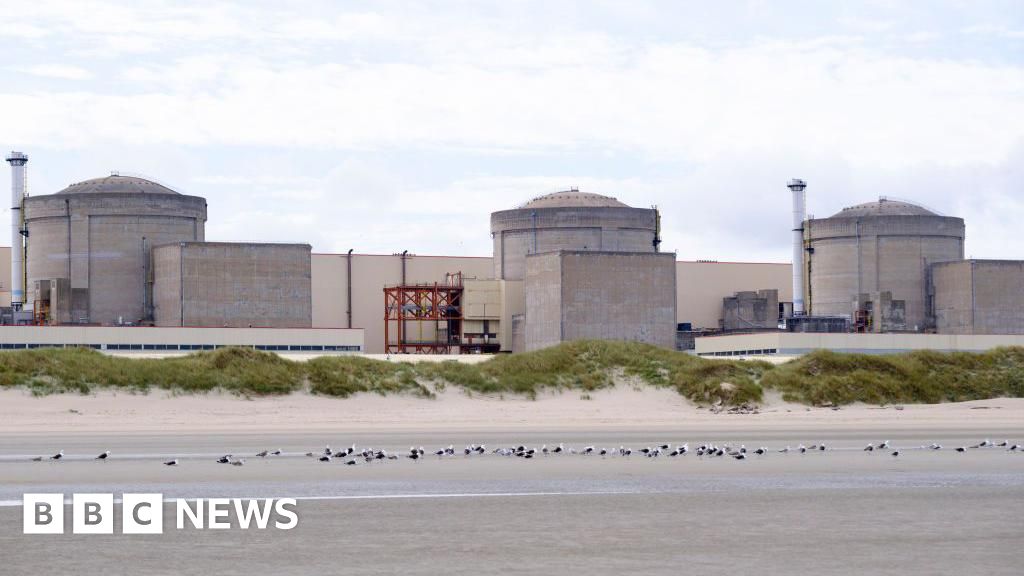
French energy group EDF's Gravelines nuclear power plant temporarily shut down its operations after a "massive and unpredictable presence of jellyfish" clogged its cooling system, forcing four units offline and leading to a full site closure while two others were already in maintenance. Although EDF confirmed no impact on nuclear safety, this rare "non-nuclear event" represents an unusual operational disruption for a major nuclear facility in France, a country heavily reliant on atomic energy, underscoring the diverse vulnerabilities in power generation infrastructure.
The temporary shutdown of EDF's Gravelines nuclear power plant, one of France's largest, highlights a notable operational vulnerability in critical energy infrastructure. The incident, triggered by a massive influx of jellyfish clogging cooling system filters, resulted in the automatic shutdown of four 900-megawatt reactors, leading to a full site outage as two other units were already in maintenance. While EDF has confirmed there was no impact on nuclear safety or the environment, classifying it as a "non-nuclear event," the situation temporarily removes significant capacity from a grid where nuclear power constitutes approximately 70% of the electricity supply. The event, linked by experts to unusually warm sea temperatures, is not unprecedented, with similar occurrences at other European plants in 2011 and 2013. This underscores a recurring, albeit rare, risk for coastal power stations, suggesting that changing environmental conditions could present increasing operational challenges for utility providers.
AI-powered research, real-time alerts, and portfolio analytics for institutional investors.
Request DemoOverall Sentiment
mildly negative
Sentiment Score
-0.15
