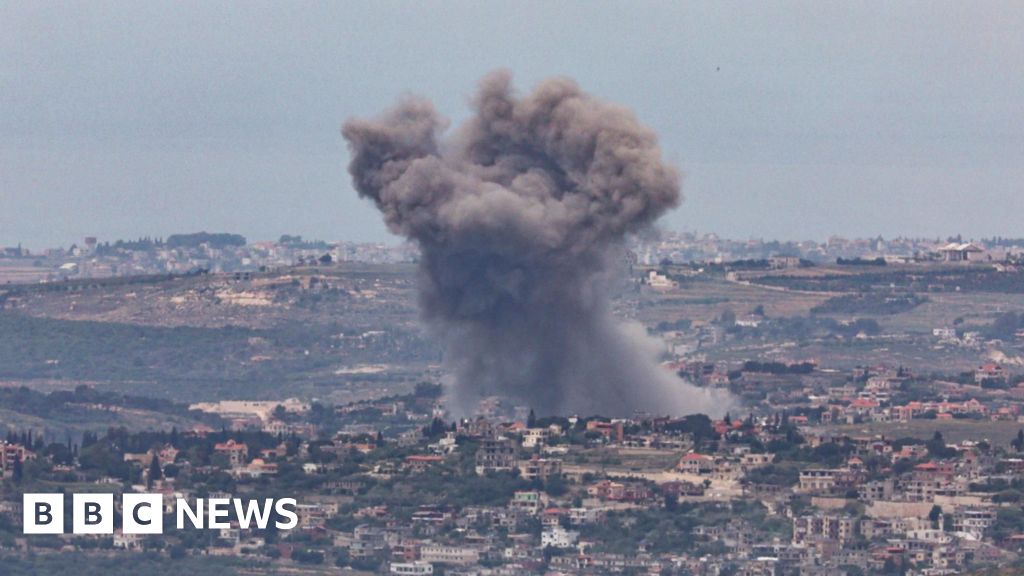
Israeli strikes in southern Lebanon killed at least 13 people, including two Civil Defense paramedics in Nabatieh and a Syrian man in Tayr Debba, according to Lebanese state media and the health ministry. Lebanon says 2,869 people have been killed in the conflict so far, including at least 380 since the ceasefire, while Israel reports 18 soldiers and 4 civilians dead over the same period. The escalation underscores a deteriorating ceasefire and elevated regional geopolitical risk.
The key market implication is not the day-to-day casualty count; it is the degradation of any credible off-ramp. When emergency responders are being hit, the conflict shifts from kinetic attrition to institutional collapse, which raises the probability of a wider security envelope around southern Lebanon and prolongs the premium on defense, ISR, and munition replenishment. The second-order effect is tighter operating conditions for aid groups, insurers, and logistics providers exposed to Eastern Mediterranean transit, with elevated interruption risk lasting weeks to months rather than days.
For regional equities and credit, the more important transmission is through sovereign and quasi-sovereign balance sheets. Lebanon’s already fragile fiscal base faces incremental reconstruction and healthcare liabilities without corresponding capacity to absorb them, while Israeli defense spending can stay elevated for multiple quarters even if headline hostilities cool. That combination tends to widen Lebanon-risk spreads, pressure local banks and utilities through payment delays, and keep Israel-linked defense procurement names bid on expectations of replenishment cycles and export demand.
A less obvious angle is healthcare systems and emergency response infrastructure in frontier conflicts: repeated strikes on medical assets create a compounding scarcity of trained personnel and equipment, which lowers treatment capacity nonlinearly. That can worsen fatality rates even absent escalation, and it also increases the probability of international legal scrutiny, sanctions noise, and procurement friction for suppliers with ambiguous end-use exposure. In practice, that means the market may underprice the tail risk of a broader compliance overhang on contractors and dual-use logistics chains.
The contrarian view is that the ceasefire failure may already be partially priced into defense and energy proxies, but the underappreciated variable is duration, not intensity. If Washington meetings produce even a temporary enforcement mechanism, the first trade is likely a fast de-risking of regional war premium, while the more durable winner remains firms tied to munitions replacement and air-defense spending rather than headline combat exposure. Until then, the bias is to fade any relief rally in Lebanon-sensitive assets and own volatility where escalation can reprice quickly.
AI-powered research, real-time alerts, and portfolio analytics for institutional investors.
Request DemoOverall Sentiment
strongly negative
Sentiment Score
-0.80
