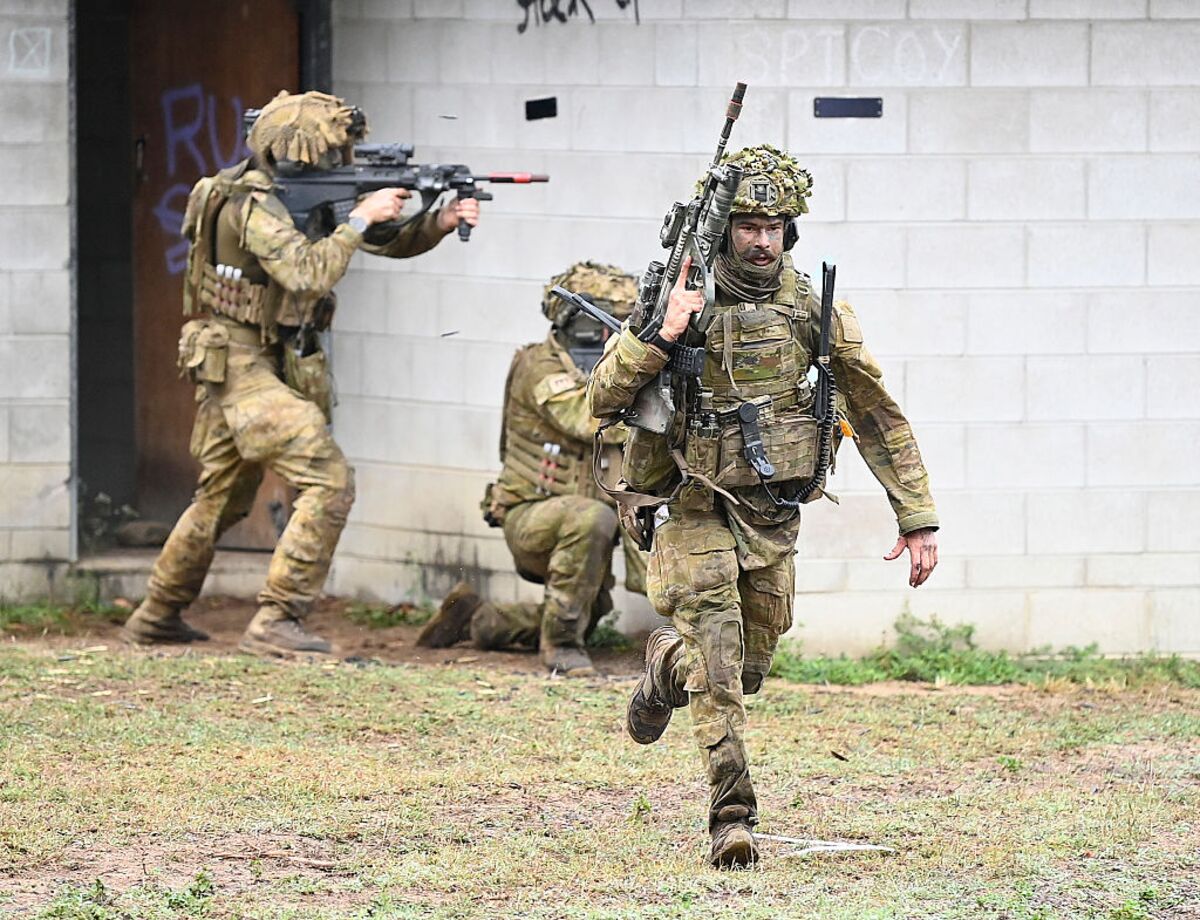
Australian and New Zealand leaders, Prime Ministers Albanese and Luxon, have jointly characterized the current strategic environment as the most dangerous in decades, prompting a pledge to bolster defense and trading ties. This includes enhancing military interoperability and pursuing combined procurement, signaling a significant increase in regional security cooperation and defense spending amidst heightened geopolitical risk.
The joint statement from the leaders of Australia and New Zealand signals a significant shift in regional security posture, driven by what they term the most “unpredictable and dangerous strategic environment in decades.” This assessment, reflected in the strongly negative sentiment score (-0.6), is being translated into concrete policy actions. The commitment to enhance military interoperability and pursue combined procurement points directly to an anticipated increase in coordinated defense spending and a deepening of their military alliance. This strategic pivot is not limited to defense, as the concurrent pledge to bolster trading ties indicates a broader effort to secure regional supply chains and economic stability amidst heightened geopolitical tensions. The focus on combined procurement suggests a more streamlined and potentially larger-scale investment cycle for defense-related industries in the Oceania region, directly impacting the outlook for the defense and infrastructure sectors.
AI-powered research, real-time alerts, and portfolio analytics for institutional investors.
Request DemoOverall Sentiment
strongly negative
Sentiment Score
-0.60
