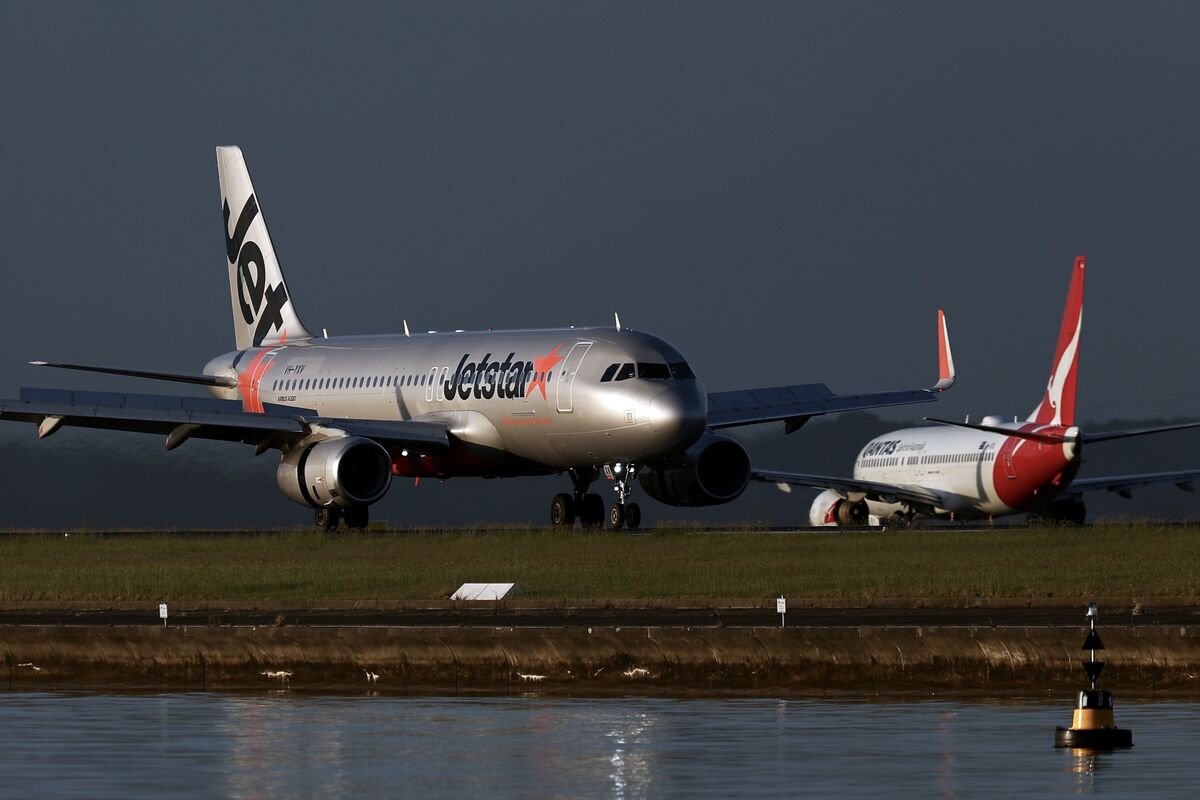
Airbus warned that thousands of A320 jets require an urgent software upgrade, triggering groundings in Australia and New Zealand and causing travel disruptions. Qantas unit Jetstar has canceled a number of flights and Air New Zealand reported 12 cancellations with further disruption expected, creating near-term capacity shortfalls and potential operational and remediation costs for carriers and Airbus.
Market structure: Immediate winners are aftermarket/MRO providers and any carriers with non-A320-dominant fleets who can pick up displaced demand; losers are Jetstar/Qantas (ASX: QAN) and Air New Zealand (NZX: AIR) for near-term unit revenue and Airbus (EPA: AIR) reputationally. Expect a short-term domestic capacity hit in AU/NZ on the order of ~1–3% of seats if groundings last several days, inflating last-minute fares and driving opportunistic pricing power for remaining carriers and OTAs.
Risk assessment: Tail risks include escalation to broader A320 family ADs (regulatory) or global groundings that force order renegotiations and lessor covenant breaches; probability low but impact high—could knock 5–15% off Airbus order book value over 6–24 months. Immediate timeline is days (operational delays), short-term weeks–months (compensation, earnings hits for airlines), long-term quarters+ (order churn, fleet strategy shifts); watch EASA/FAA directives within 30–90 days as key catalysts.
Trade implications: Tactical short positions in affected carriers and opportunistic long exposure to OEM competitors and MRO names make sense—expect airline credit spreads to widen and equity vols to spike for 1–3 months. Use options (short-dated puts on Airbus, call spreads on Boeing) to express asymmetric views; reduce travel & leisure cyclicals weight by ~15–25% for 2–6 weeks and rotate into aircraft aftermarket suppliers (3–9 month horizon).
Contrarian angle: Consensus may overreact—software patches historically resolve operational issues quickly and large-scale order cancellations are uncommon absent systemic failure (compare typical ADs vs Boeing MAX). If Airbus equity drops >10% without regulatory escalation, buying selective Airbus bonds or lessor exposure could be a high-conviction value play as markets price in transient risk rather than structural demand loss.
AI-powered research, real-time alerts, and portfolio analytics for institutional investors.
Request DemoOverall Sentiment
moderately negative
Sentiment Score
-0.35
