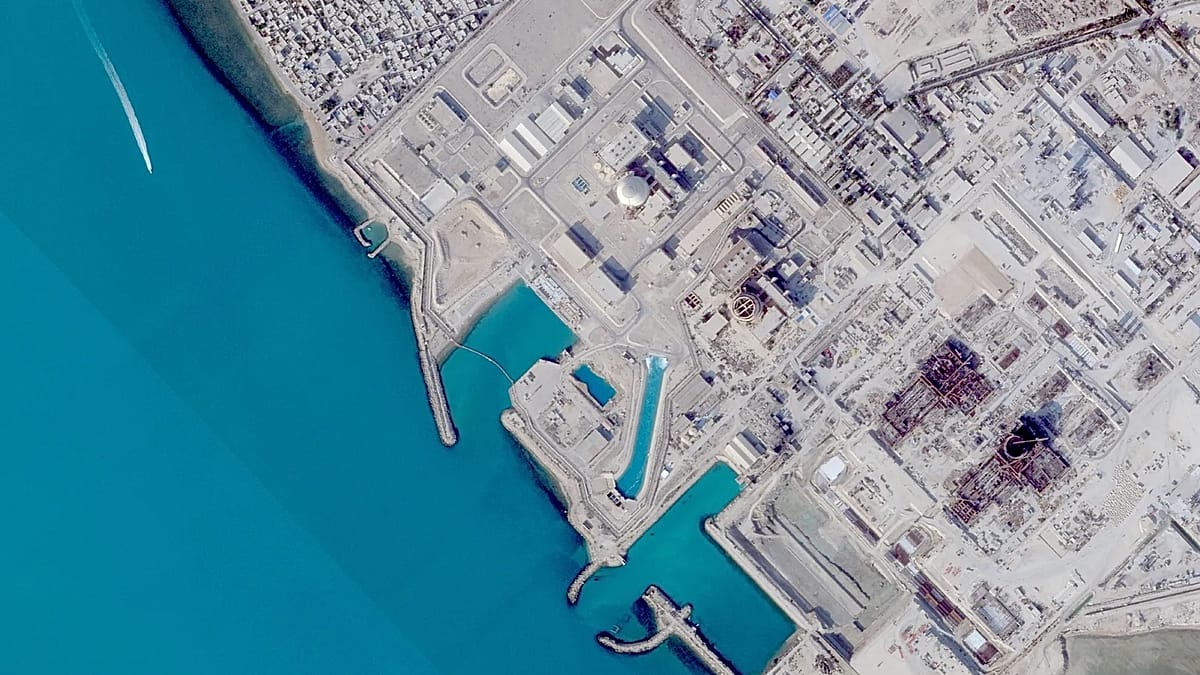
Israel struck multiple Iranian nuclear-related sites (Ardakan uranium processing, Khondab heavy water complex and a yellowcake plant) with Iranian state media reporting no radiation leaks or casualties. The strikes come amid Israeli threats to "escalate and expand," US-offered 15-point ceasefire talks that would include Iran relinquishing control of the Strait of Hormuz (about 20% of global oil shipments), an extended US deadline to 6 April and deployment of thousands more US troops — markets should prepare for heightened risk-off flows, upside pressure on oil prices and increased regional military escalation risk.
The immediate market impulse is elevated energy risk premia concentrated on Strait-of-Hormuz transit and insurance costs; a temporary closure or sustained missile/strike campaign lasting >7 days would mechanically lift spot Brent by 15-30% within 2–6 weeks via tanker re-routing, longer voyage times and higher tanker rates. Second-order winners are not just big oil producers but firms that capture incremental margin quickly (US onshore E&P, oil services with flexible fleets) and shipping owners who can reprice freight and time-charters; losers are energy-intensive industrials in Europe and airlines facing higher jet fuel and route disruptions.
Defense and nuclear-related equities will likely rerate on a multi-quarter basis as budgets and procurement de-risk, but the path will be punctuated by volatility around each escalation/ceasefire headline — expect 20–40% range moves in individual defense contractors across 1–6 months. Uranium and front-end nuclear exposure (fuel suppliers, yellowcake/miners) is a non-linear beneficiary: any perceived targeting of fuel-cycle assets or fears of export controls will push scarcity premia, particularly if secondary supplies are constrained by sanctions or logistics for 3–12+ months.
Key risks that would reverse the trade: a rapid, verifiable US-Iran deconfliction agreement or credible international naval escorts that reopen the strait within 7–14 days (would compress oil premia and crash tanker rates), or a major incident that releases radiation which would introduce large downside to nuclear/mining names and unlock acute geopolitical risk-off into safe-haven assets. Probability-weight your sizing to headline cadence — most material moves will occur in the first 30–90 days, but structural budget and supply responses play out over 6–18 months.
AI-powered research, real-time alerts, and portfolio analytics for institutional investors.
Request DemoOverall Sentiment
strongly negative
Sentiment Score
-0.80
