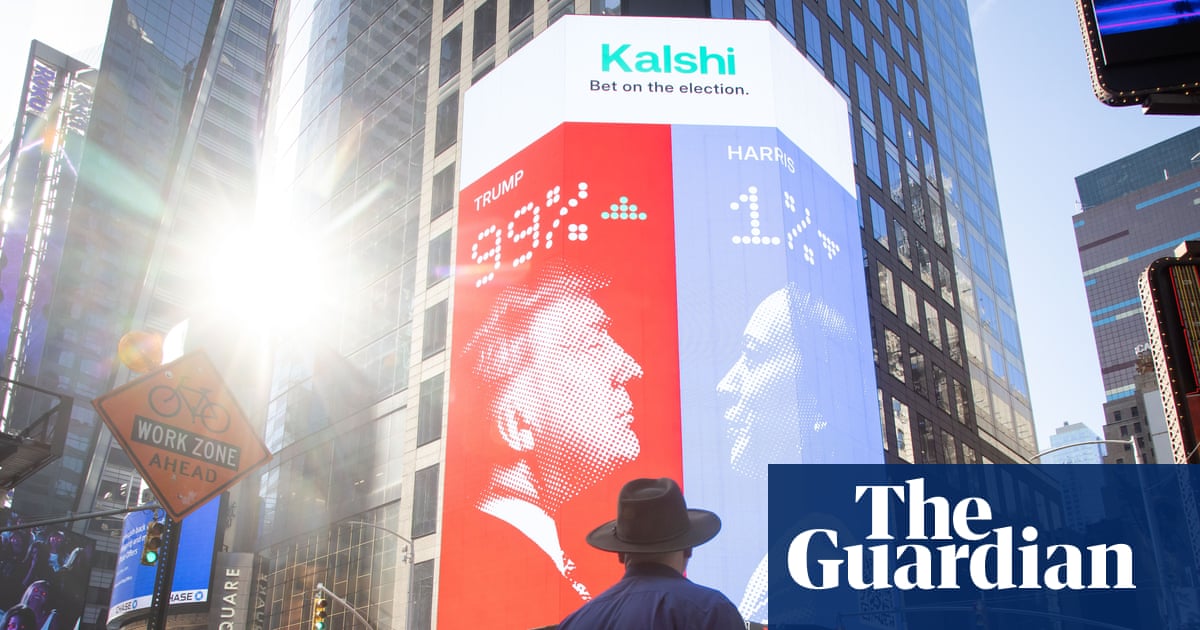
Utah has escalated its fight against prediction markets, with the state legislature broadening the gambling definition to include proposition bets and Governor Spencer Cox signing the measure in March. Kalshi has sued Utah officials, while rulings elsewhere remain split: the company won a block on Arizona criminal charges but has faced setbacks in Nevada and Tennessee. The dispute centers on whether prediction markets fall under state gambling law or federal CFTC jurisdiction, with potential implications for Kalshi, Polymarket and other event-contract platforms.
The investable issue is not whether prediction markets are legal in the abstract; it is whether they can scale without a clean 50-state regulatory regime. Utah’s posture matters because it creates a template for other socially conservative states to weaponize state law, which raises distribution costs, increases legal reserve needs, and lengthens customer acquisition payback periods for the platforms. That is a second-order headwind for marketplace liquidity: thinner books mean worse pricing, which reduces product quality and makes the platforms look more like gambling, feeding the same political backlash. The near-term market reaction is likely mispriced if investors assume federal preemption will settle this quickly. The more probable path is a 6-18 month grind of injunctions, appeals, and state-by-state enforcement threats, with headline risk spiking around any court decision touching elections or sports contracts. The real catalyst is not Utah alone but a circuit split or a CFTC leadership shift; until then, the sector trades on legal optionality rather than fundamentals. That favors incumbents with broad capital access and regulatory sophistication, while smaller entrants face a much higher probability of being de-platformed or boxed into narrower product sets. A key contrarian angle is that the political overlay may actually accelerate product diversification into less controversial, more finance-adjacent contracts. If election/sports exposure gets constrained, volume can migrate toward macro, rates, commodity, and corporate-event markets where the “gaming” argument is weaker and institutional participation is more plausible. That would be bullish for the surviving platforms’ long-term take rates, but it would also likely compress near-term growth expectations because the current retail growth loop is built on high-frequency, culturally salient events. For DJT-linked assets, the risk is asymmetric: any perception that the presidential family is adjacent to a sector now facing state-level morality backlash and insider-trading scrutiny creates governance noise even if direct economics are immaterial. The bigger tradeable overhang is not revenue, but the possibility that broader fintech/derivatives oversight gets tightened in response to public concern over market integrity.
AI-powered research, real-time alerts, and portfolio analytics for institutional investors.
Request DemoOverall Sentiment
neutral
Sentiment Score
-0.05
Ticker Sentiment
